 site. Look
here for the latest updates on
site. Look
here for the latest updates onThis page moves to the
site. Look
here for the latest updates on
 DE
DE
 NL
NL

1 The Jazzophon 2 Background of the Jazzophon 3 Other sax shaped trumpets 4 Other double-bell trumpets 5 Other sax shaped instruments 6 Sources, links and contact
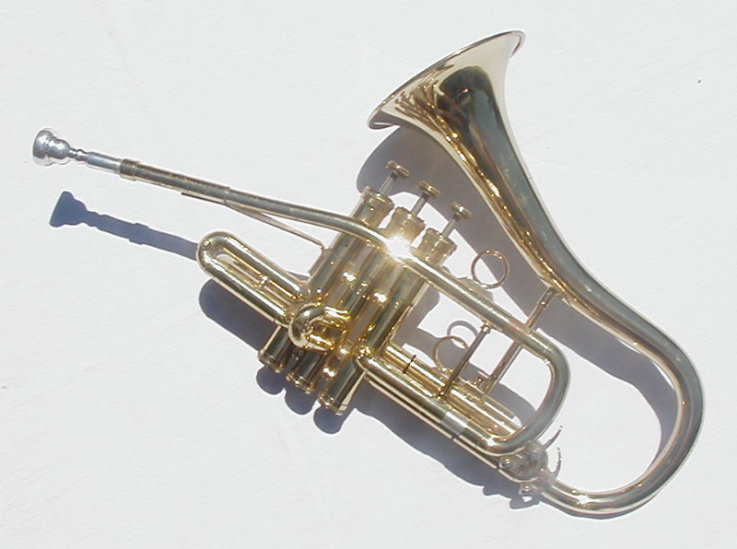
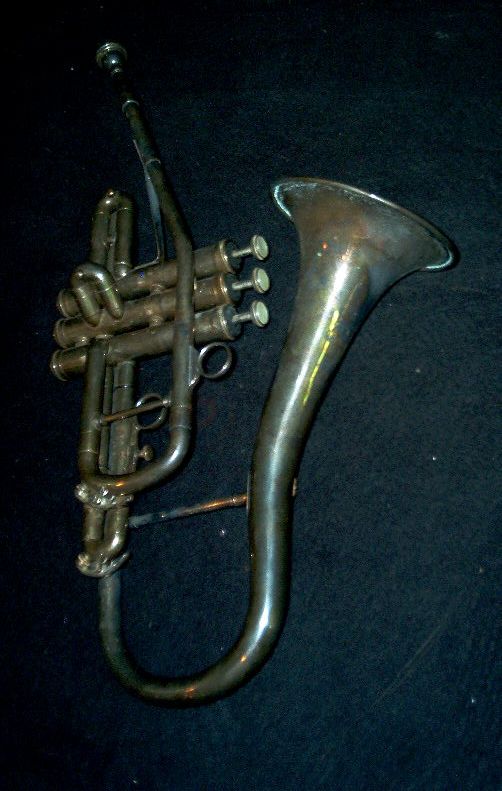
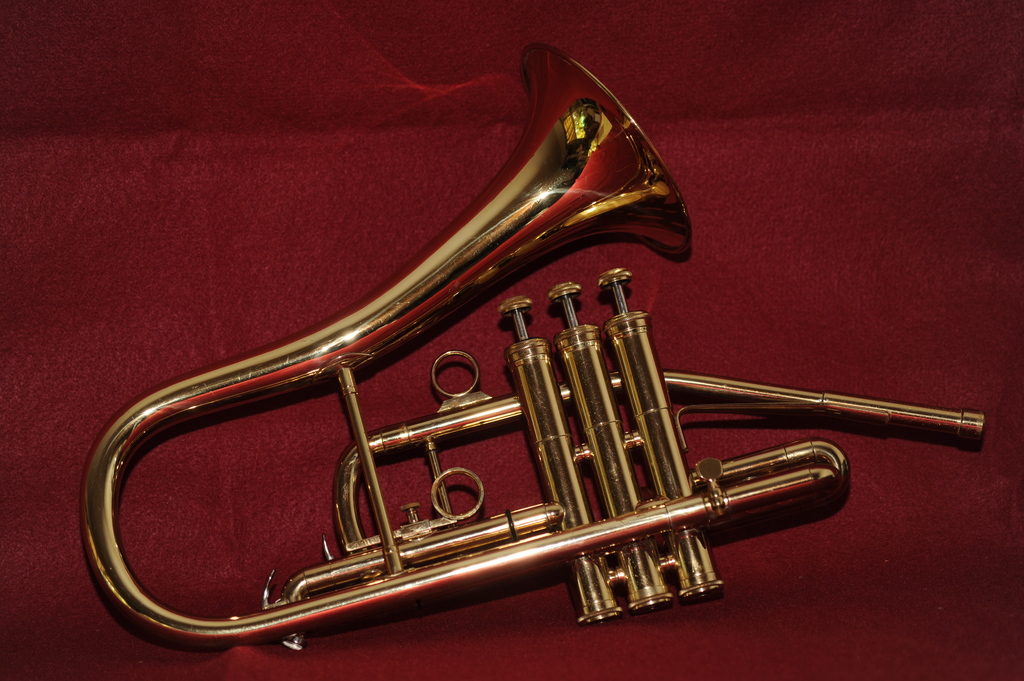
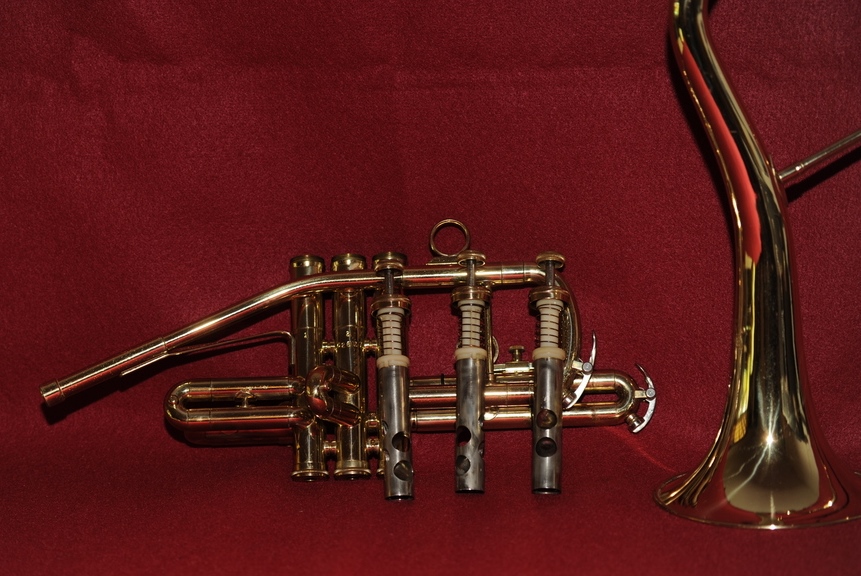
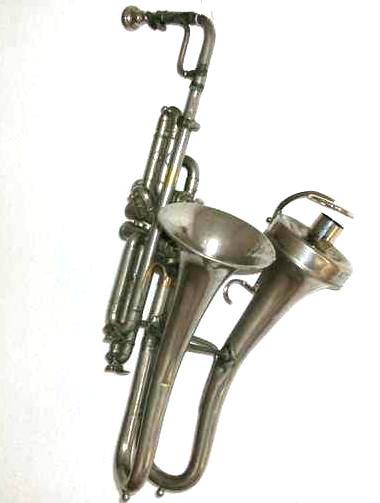
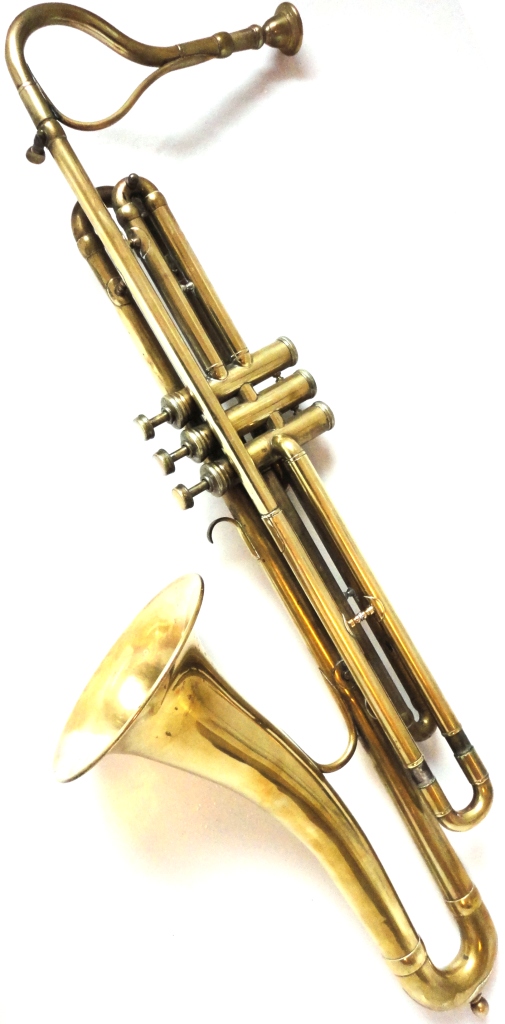
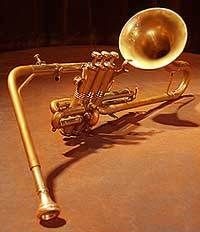
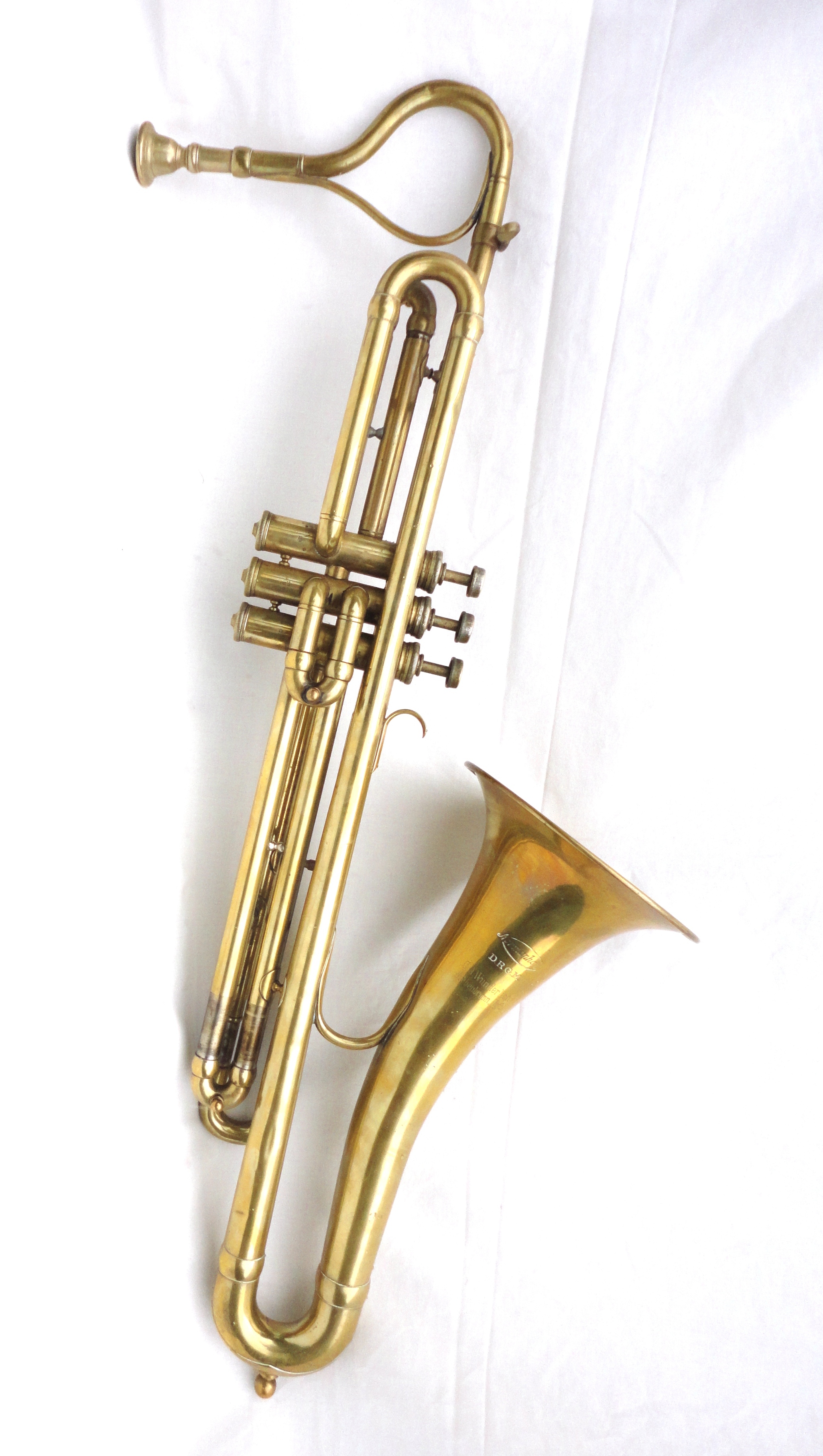
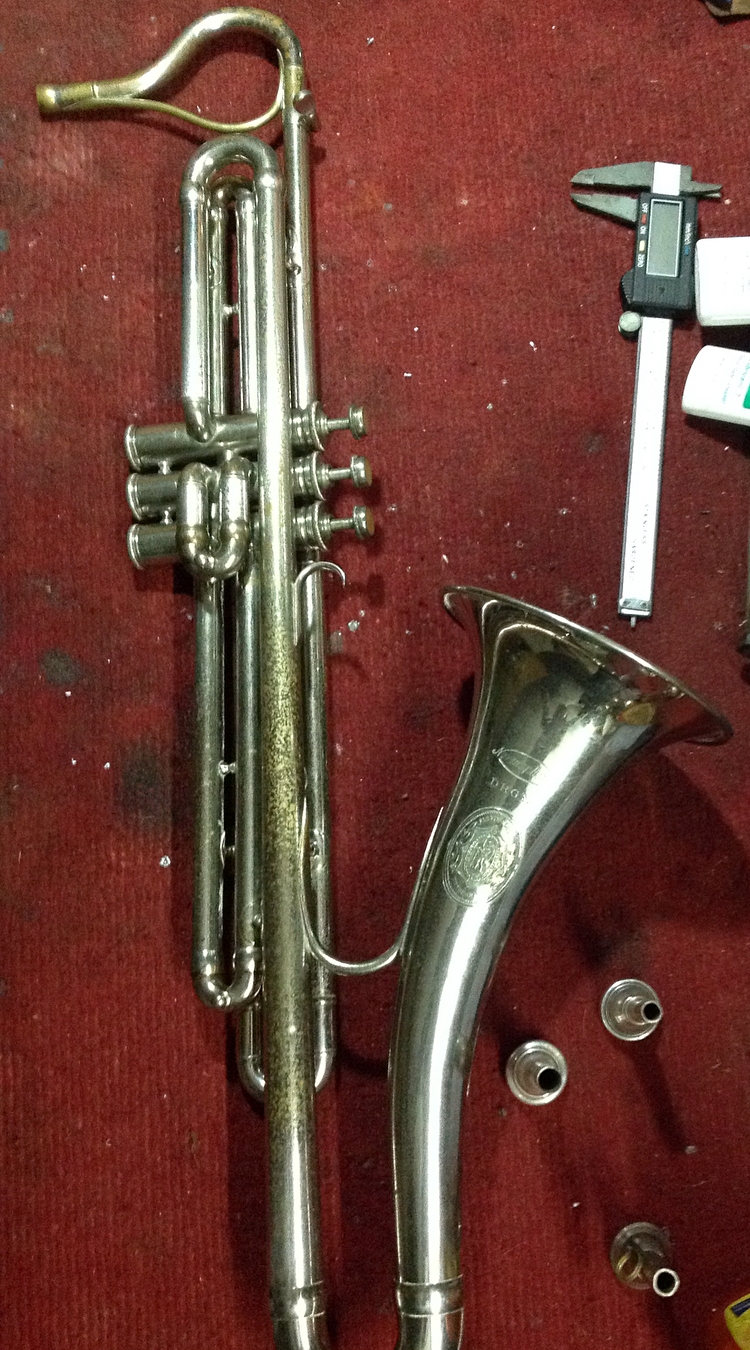
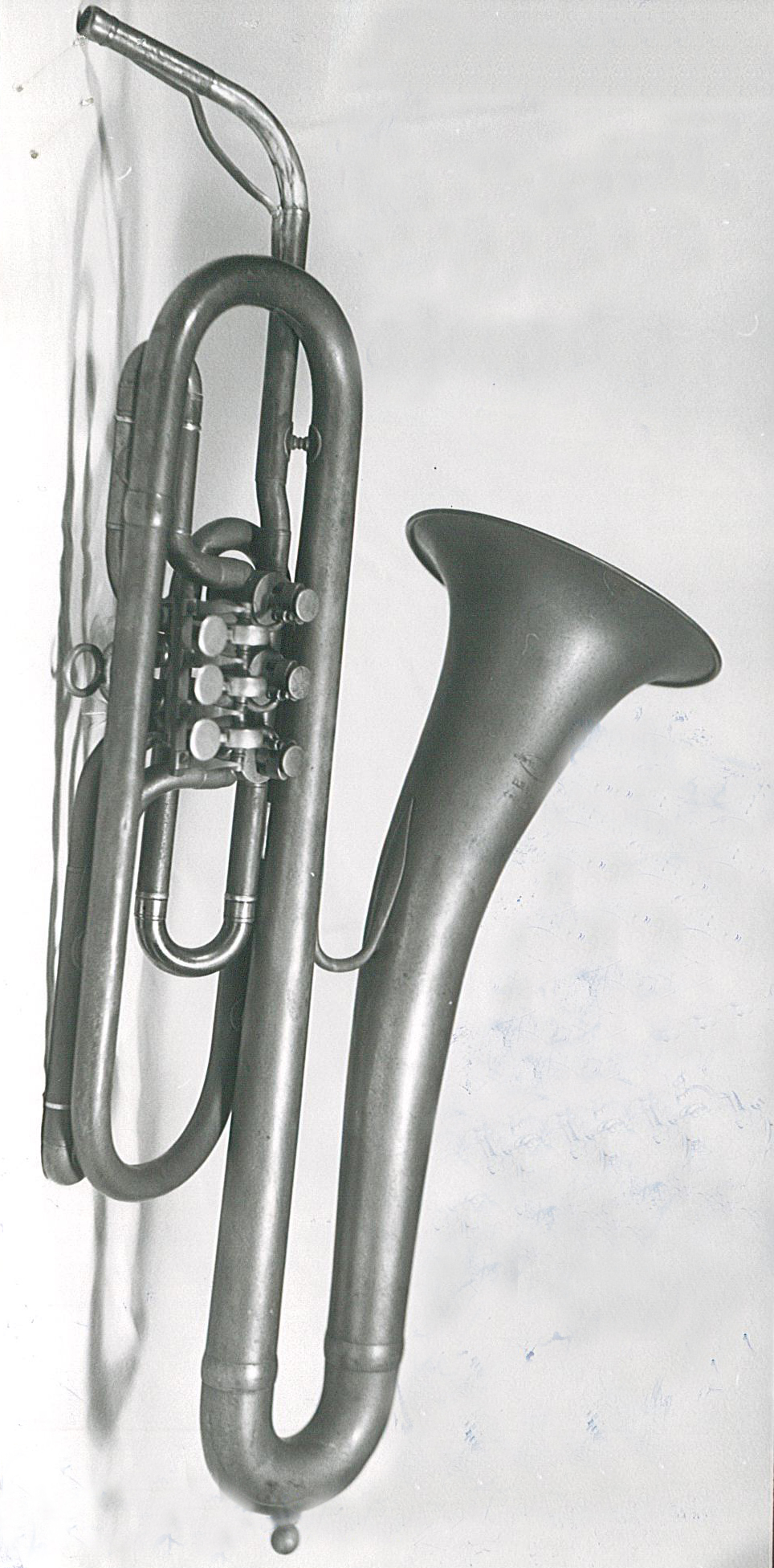
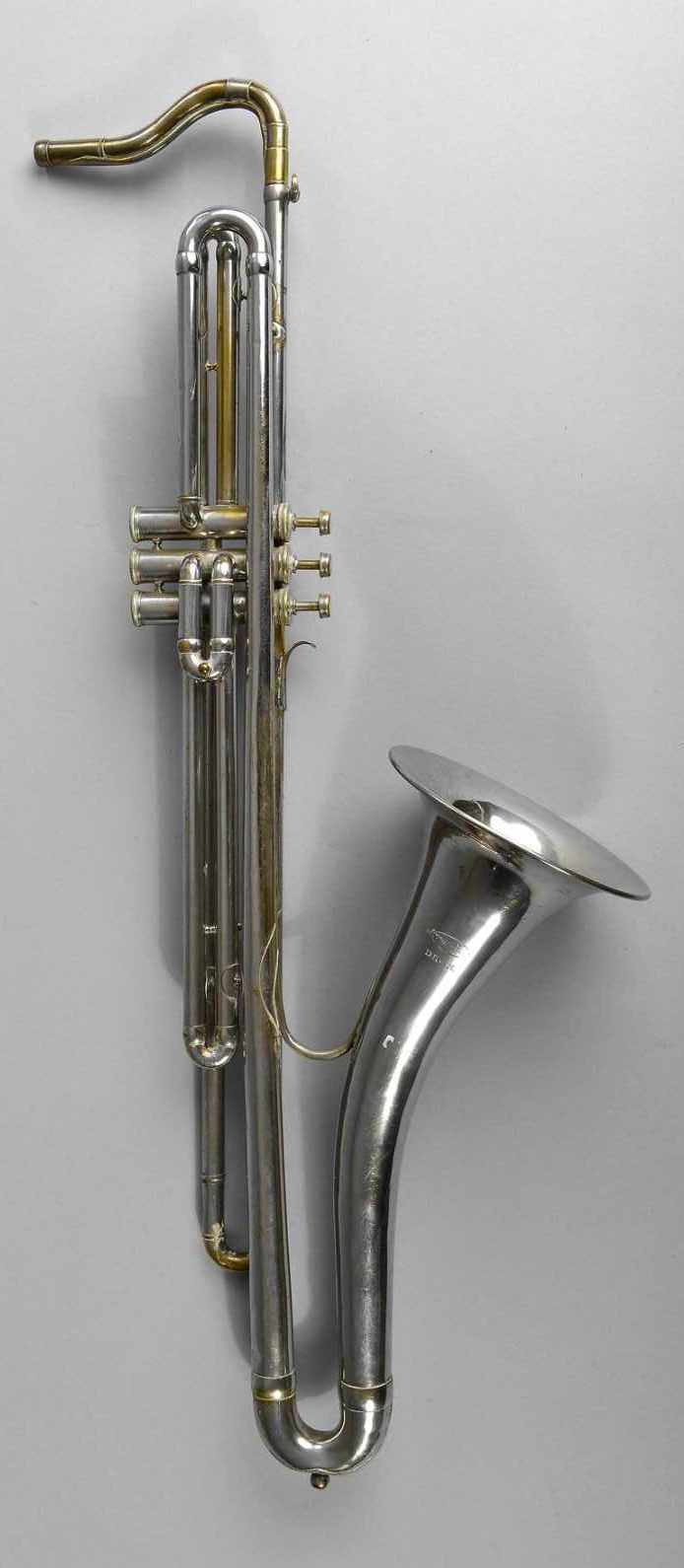
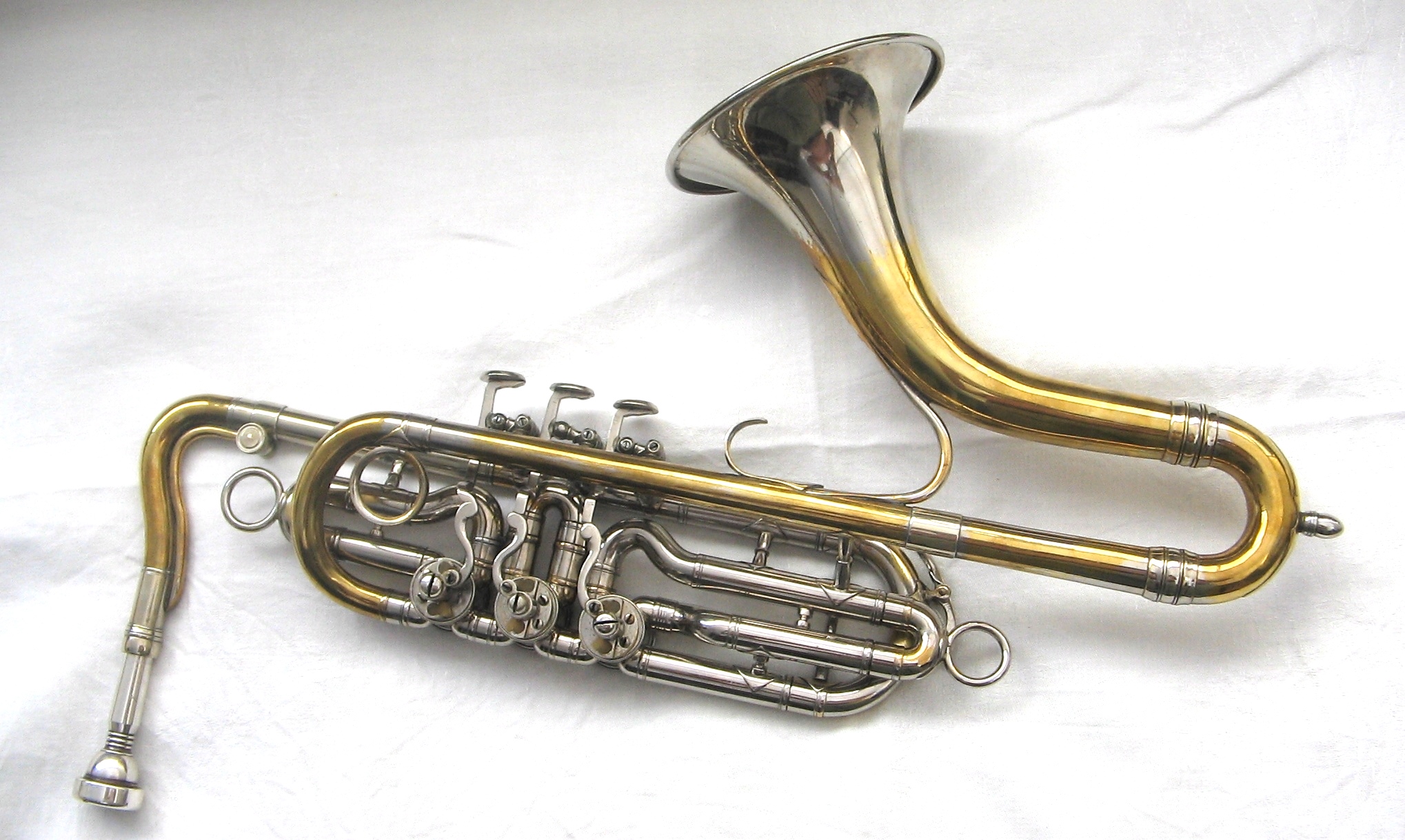
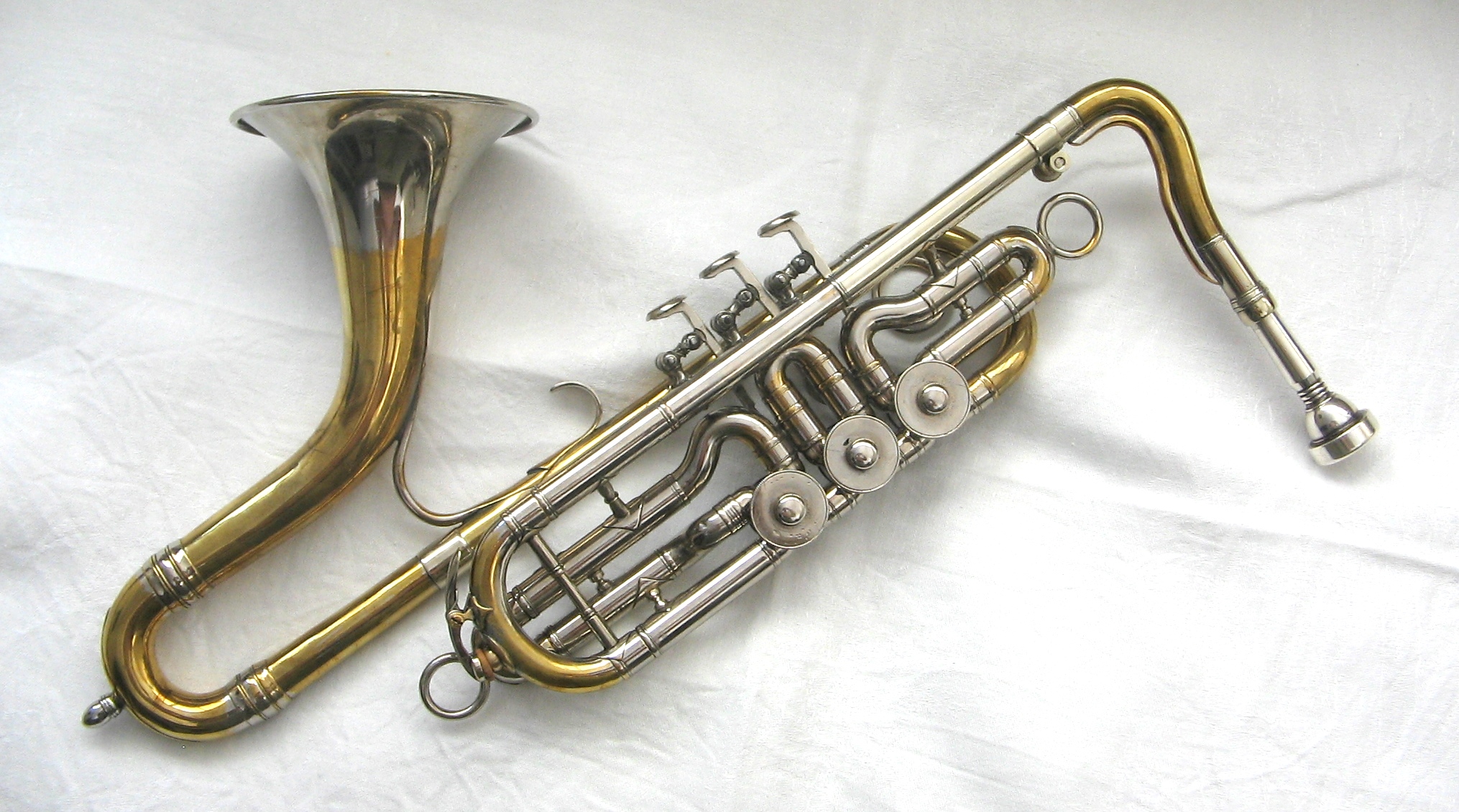
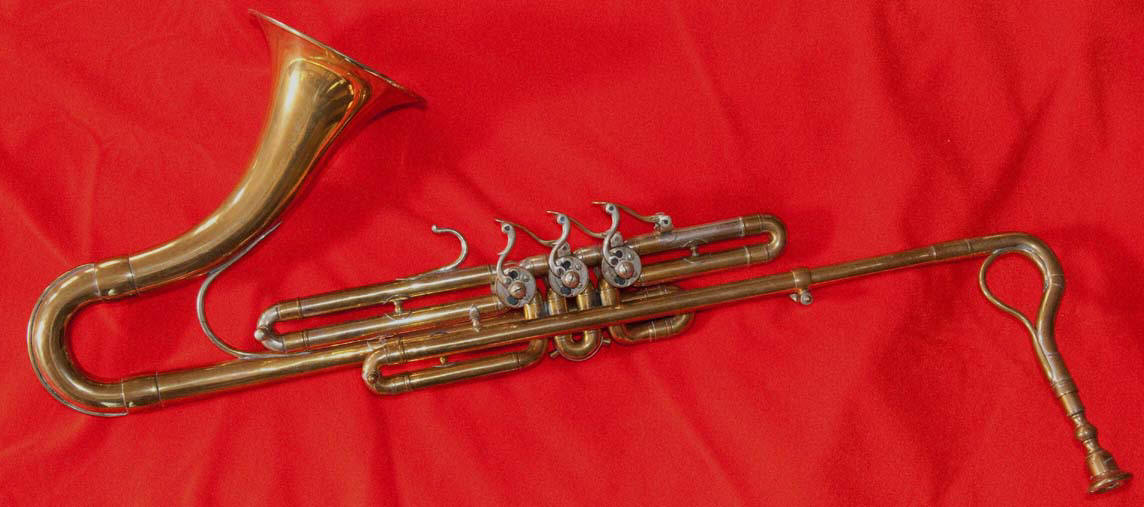
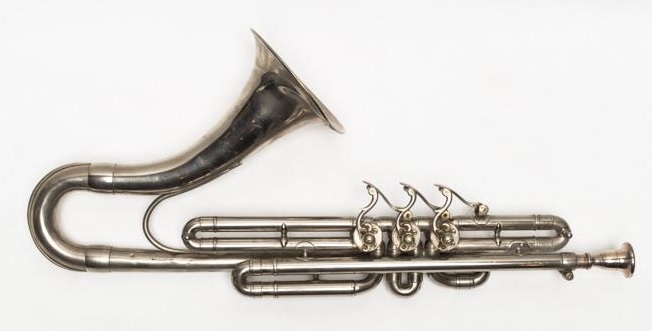
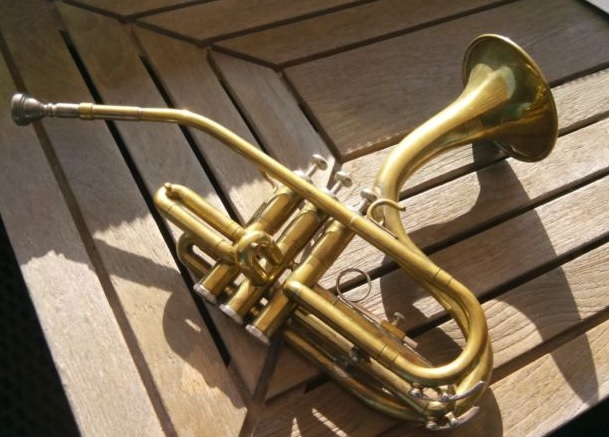
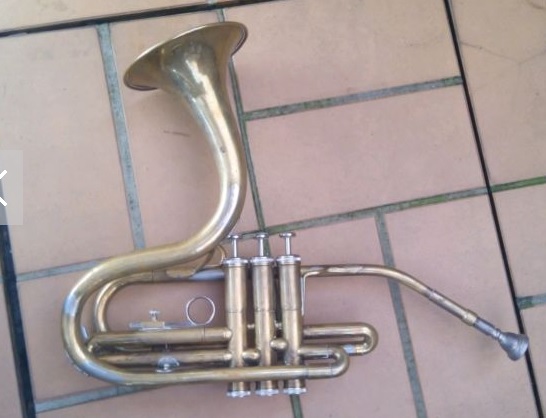
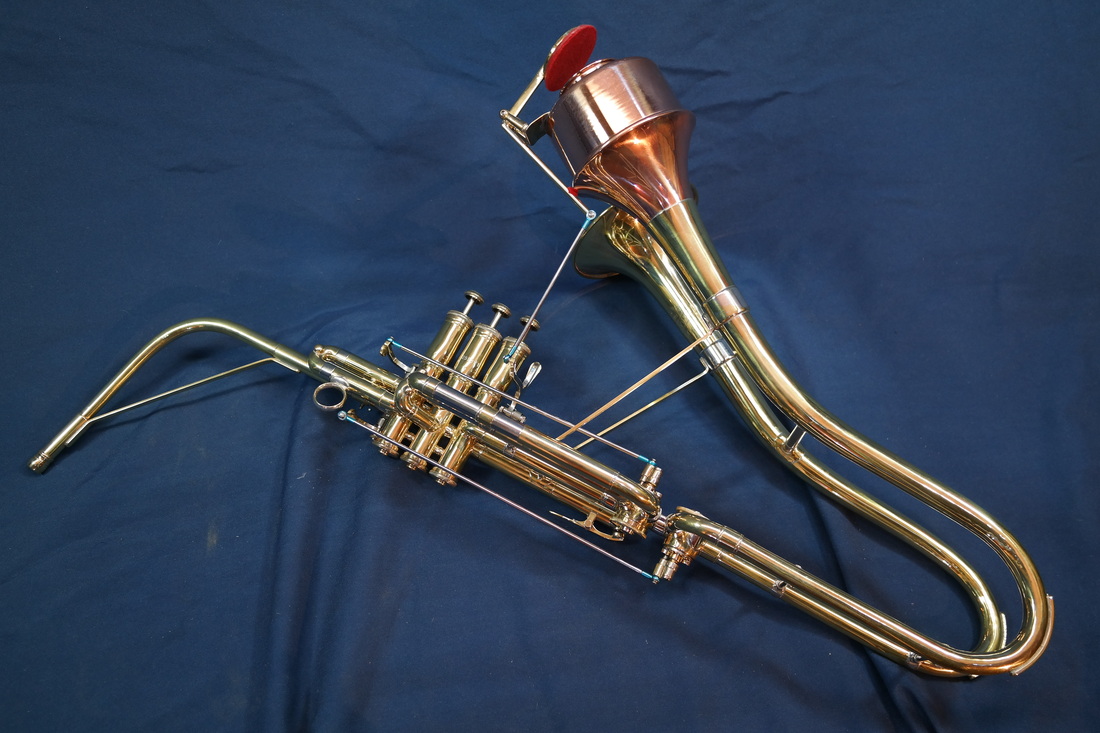
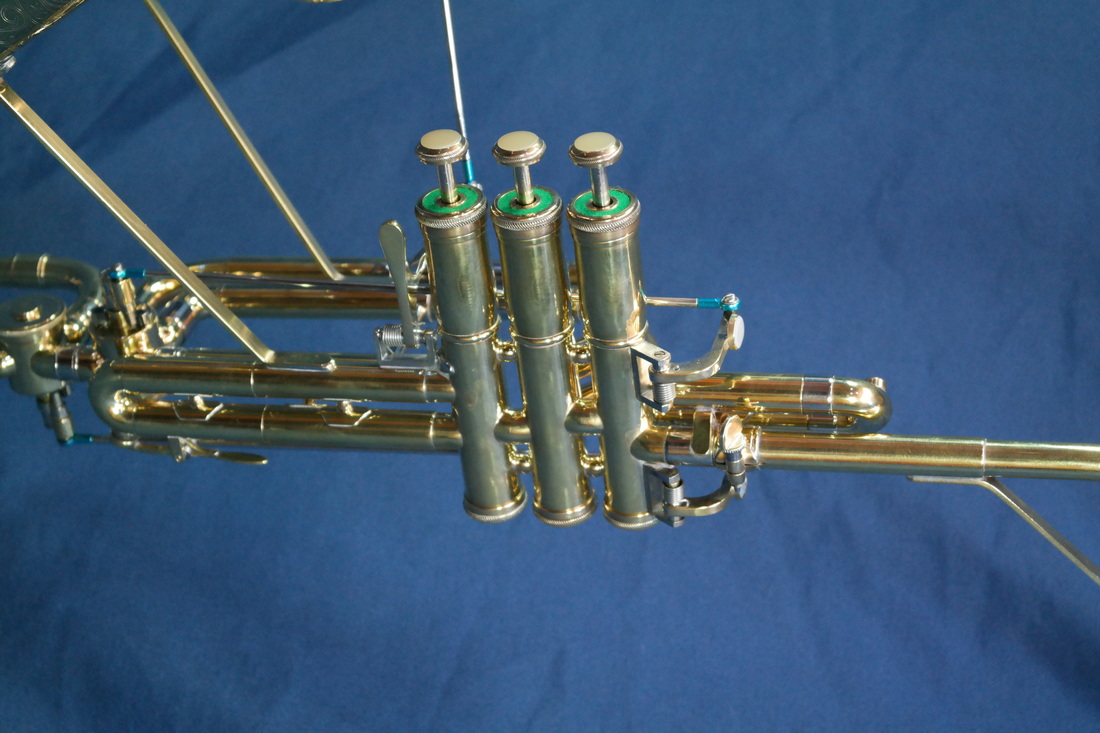
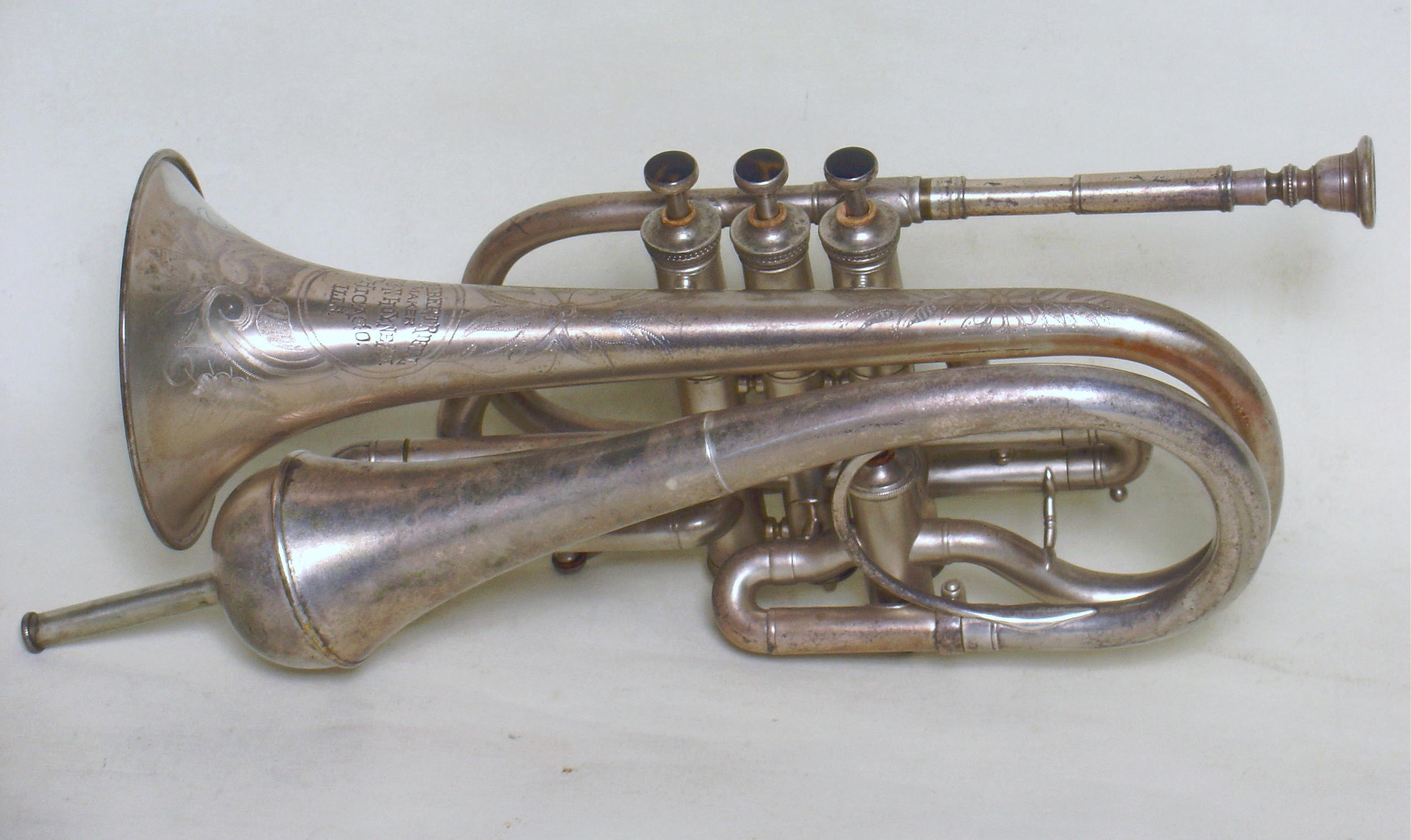
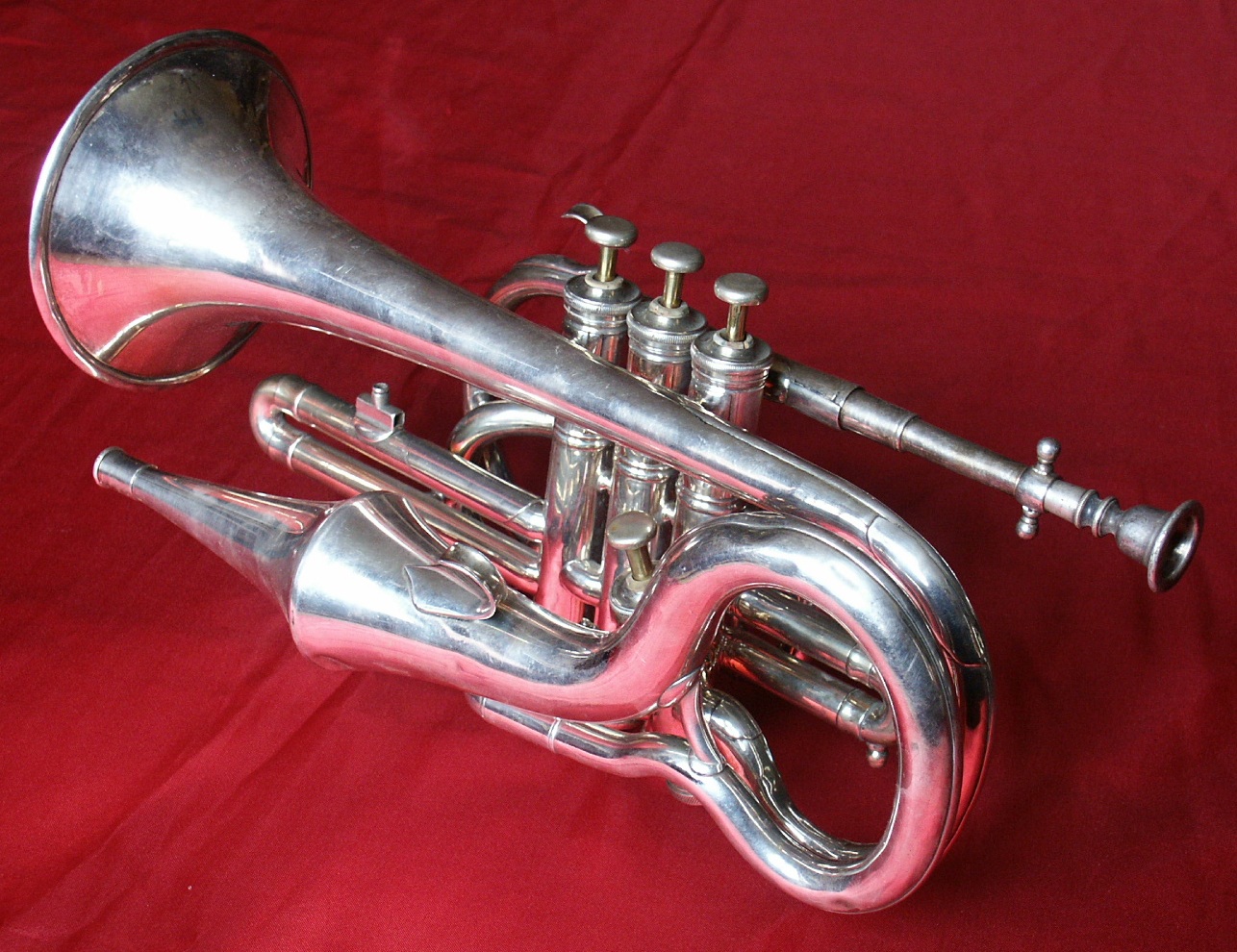
The Jazzophon is an almost forgotten instrument, a trumpet in the shape of a saxophone with two bells. One bell sounds like a normal trumpet, the other like a muted trumpet. In a July 3rd, 2011 recording Scott Robinson shows the possibilities of the instrument. The Jazzophon was invented in the nineteen twenties as a cheap alternative to the then very popular saxophone. The Jazzophon is played with a trumpet-mouthpiece and has the three regular trumpet valves plus one valve upside down. When pushed down that extra valve switches between the two bells, one of which has a built-in wah-wah mute. The Jazzophon was not a success, like many other newly invented saxophone-like instruments from that period. Did it disappear because Hitler's Germany wasn't very fond of jazz or because the crisis hit? Or was it a lack of suitable music or was it too difficult to play? It is not clear.
I stumbled across the Jazzophon early in 2010, when Gertjan Hos from
Assendelft offered one for sale. It was taken home to Holland shortly after
World War II by a friend's uncle who had worked in the German
Arbeitseinsatz. Hos stated there was only one other one around in
the world, in America. That
tickled my curiosity and I started researching. So, here you'll find everything you always wanted to know
about the Jazzophon, and much more.
Marked
Jazzophon D.G.R.M. 995.305 on the mute and C.A. Wunderlich Siebenbrunn Vogtl. on
the open bell. Stem and trigger replaced in 2002 by Helmuth Voigt in
Markneukirchen. Coll. Gerard Westerhof The Musikwinkel in
Vogtland

.JPG)
.JPG)
.JPG)
.JPG)
1 The Jazzophon 2 Background of the Jazzophon 3 Other sax shaped trumpets 4 Other double-bell trumpets 5 Other sax shaped instruments 6 Sources, links and contact
The saxophone was invented by Adolphe Sax in 1841. He wanted to create an instrument that would both be the loudest of the woodwinds and the most versatile of the brass, and would fill the then vacant middle ground between the two sections. In the Roaring Twenties the saxophone became extremely popular as being the ultimate jazz-instrument. By the mid-twenties there was undoubtedly a saxophone boom, fuelled by a post-war demand for novelty. Production of saxophones in America reached a peak in 1924, when 100,000 instruments were produced. Five hundred thousand saxophones were sold in seven years, until the Wall Street crash signalled an end to this boost to the saxophone's popularity.
In the 1920s, jazz in Germany was a fad. Eager to look ahead after the crushing defeat of World War I, the part of Weimar Germany that embraced the modernism that swept through Europe was crazy about jazz. The "Salonorchester" turned to the new style, because dancers wanted it so. Radio also played a role in the popularization of jazz. In 1926, it began to regularly play jazz music, and by 1930 artists such as Louis Armstrong, Duke Ellington and others became popular to German audiences. People saw jazz as the "essence of the era's modernism," a strong surge toward greater equality and emancipation, posing as a perfect advocate for a democracy in Germany. Trumpets were played in German jazz bands as of 1924, mostly by players that also played violin or so. The trumpet was, like the trombone and the saxophone regarded as kind of a witty instrument, especially with the use of mutes. In the light music there was a shift from Tanz-Kapelle and Salonorchester to jazz-bands in different line-ups.
A similar spirit was found in Czechoslovakia, one of the successor states after the collapse of the Habsburg Monarchy. It was a state that was markedly heterogeneous ethnically and economically. Most of the industrially and culturally advanced towns lay in the western part of the country with predominantly Czech and German populations (which meant that here the conditions for the development of modern dance culture were much better). Energetic dance music from overseas found what were in many respects favorable initial conditions here. The new state became in the inter-war period one of the most economically successful of European countries. While Czechoslovakia did not have very strong cultural contacts with the United States, it was orientated culturally to England and France, i.e. the countries that were the first in Europe to get to know jazz. Naturally, then, Czech Bohemians, intellectuals, but also businessmen, wanted to enjoy their "roaring twenties" with the same intensity that they saw in the big Western cities. Like in Germany the public demanded at social events and dance courses the foxtrot, but also other jazz dances like the shimmy, black-bottom, or the Charleston. The public initially registered what was most obvious to them about the mediated jazz music, i.e. unusually sharp rhythms and instruments never seen before. The noisy percussion set caused the biggest sensation, the term "jazz" or "jazzband" was sometimes used just for this instrument. Musicians and the public were also intrigued by other novelties of the jazz instrument range. Alongside the banjo and xylophone it was the saxophone that drew the greatest attention, but at the beginning it was as difficult to get hold of one as to find an expert player. This shortage led to the use of quite curious and ingenious inventions, which in Bohemia included above all the violinophone (a violin amplified using a membrane and resonator horn from a gramophone), or a jazzophone.
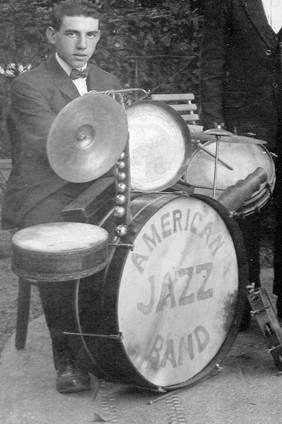
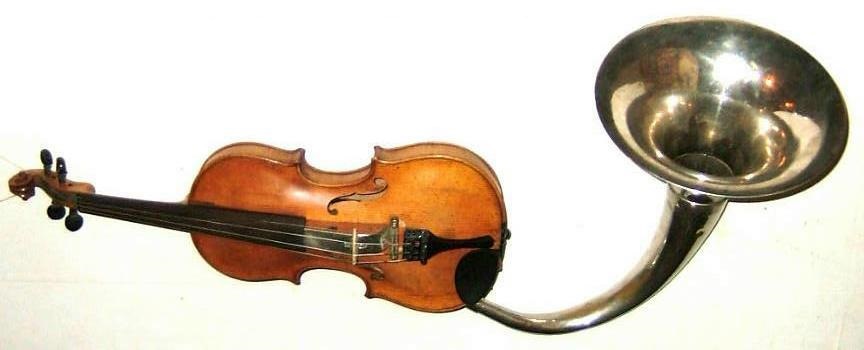
Jazzband, 1922 Violinophone, Prague early 20th century
Also in Czechoslavakia the instrumental composition of the ensembles that played modern dance music was quite variable. Usually these were based on the model of the salon or café orchestra in which the melody was entrusted to the violin, augmented at the least by one more melodic instrument (often second violin or clarinet) and with at least one harmonic instrument (piano, accordion or guitar). The "jazz" instruments mentioned earlier were gradually added to this core.
So, a shortage of cheap saxophones and good saxophone players triggered the design of the Jazzophon and the also sax-shaped Normaphon, invented by Richard Oskar Heber. Many non-standard instruments were introduced during this period. These included the Slide Saxophone, the Swanee-sax of 1922, the keyless Saxie of 1924, the Saxello of 1925 and the Conn-o-sax of 1928.
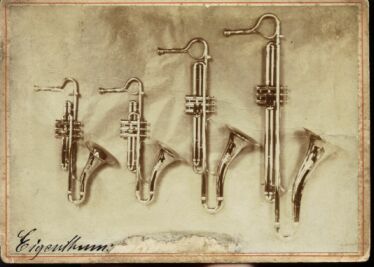
Normaphons, photo copyright by Ines Ann Heber
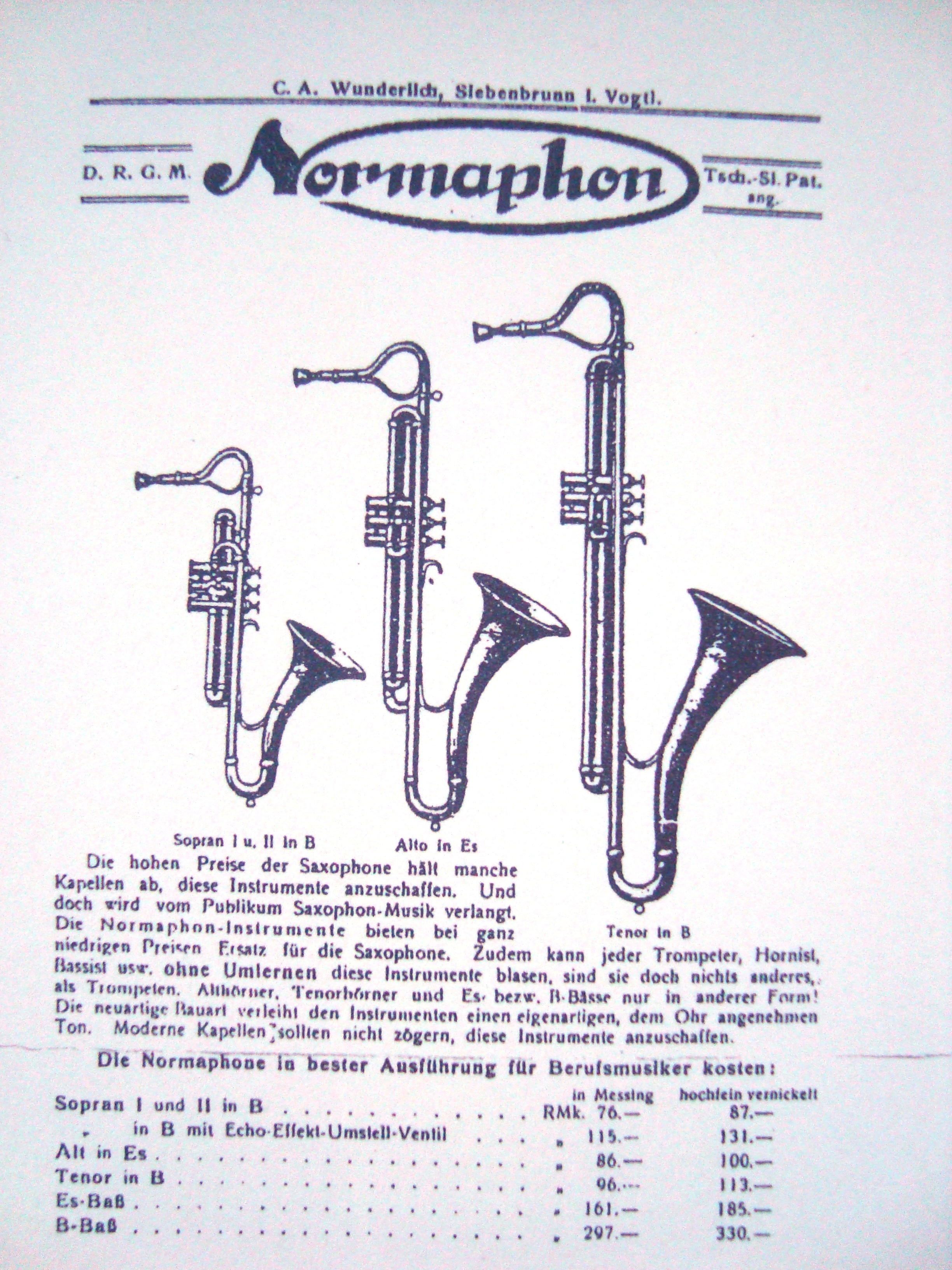
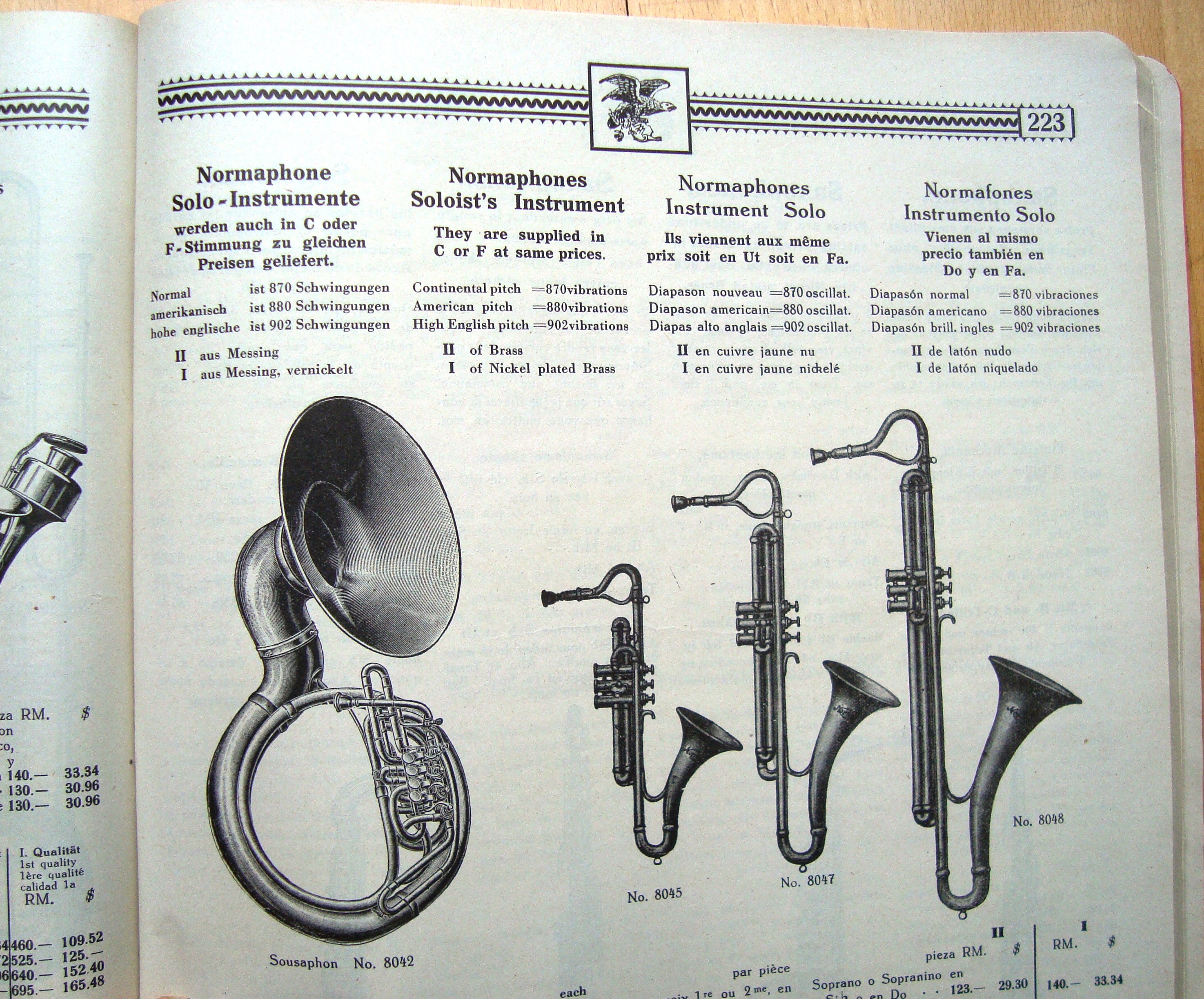
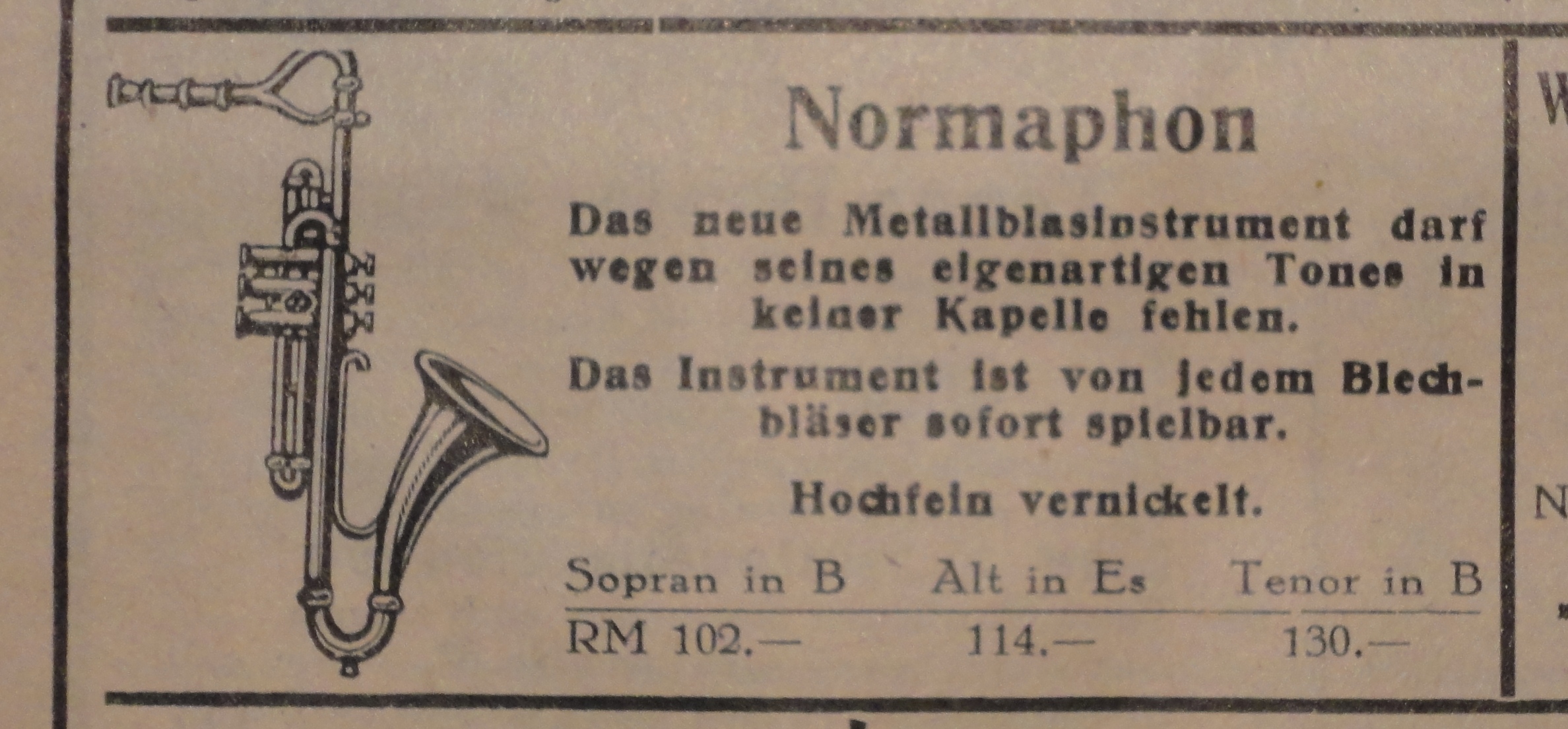
In an instrument catalog from around 1927, C.A. Wunderlich states about them:
"The high prices of saxophones are withdrawing a lot of orchestras from purchasing them. The public nevertheless wants to hear saxophone music. The Normaphons are a low-cost alternative to the saxophone. Besides, every trumpeter and horn player can play them without further study because they are just like trumpets, althorns, tenorhorns, Eb or BB basses, but in a different shape. The new design gives the instruments their own, pleasant sound. Modern orchestras shouldn't hesitate to buy these instruments."
The same story could apply for Jazzophons. The price of a sopran-Normaphon was 76 Reichsmark (with the U.S. dollar worth 4.2 RM), and tenor could be had for 96 RM. A Jazzophone took a 100 RM. An alto-saxophone would go for much more, 260 to 550 RM. The gross monthly wage for a worker in 1925 was
139 Reichsmark on average, rising to 186 RM in 1928 (which by then was 8 percent above the pre-war level.)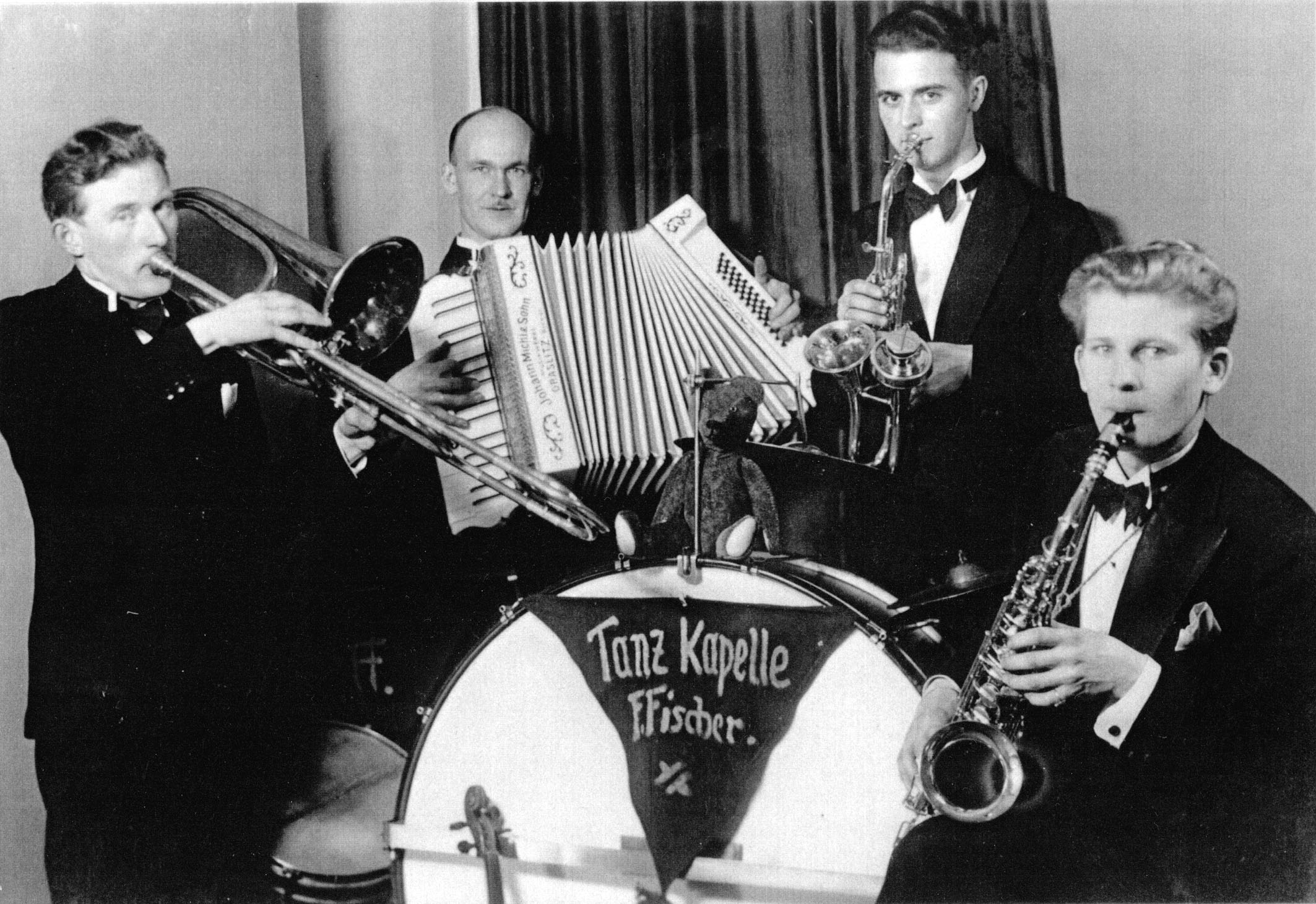 Tanzkapelle F. Fischer with Jazzophon, coll. Trompetenmuseum Bad Säckingen
The only known picture showing an orchestra with a Jazzophon is this picture in the Trompetenmuseums in Bad Säckingen, with Tanz Kapelle F. Fischer.
Hans Rölz, Graslitz
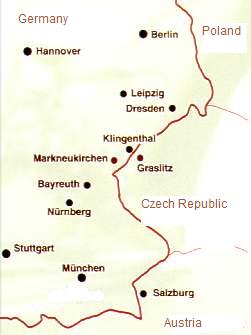
The first known advertisement for the Jazzophon appeared on September 15th, 1926 in the 'Zeitschrift für Instrumentenbau' from Leipzig, the trade magazine for makers of and dealers in musical instruments. It was an ad from Musikwarenfabrik Hans Rölz from the Czech Graslitz (now Kraslice). Rölz showed the Jazzophon as a novelty at the Leipzig
autumn fair. The editorial columns in the Zeitschrift also paid attention to the instrument. The ad shows a sax shaped Jazzophon and also one in the form of a lyre. In March 1927, just before the Leipzig spring fair, Rölz advertised again, the lyre shaped Jazzophon had by then disappeared from the ad. The magazine had an extra jazz catalog from Rölz attached. In April 1927 he advertised once again, this time with a trumpet-shaped Jazzophon. In 1933 he published a catalog under the brand name Haro with still the Jazzophone in three variations offered, all for the same price, RM 150.

Rölz father Adolf Bernard started in 1874 as as a manufacturer of music toys, Hans took over in 1901, trading all kinds of instruments, buying products from smaller companies and selling them worldwide. He was based in Graslitz and had a branch in the nearby German Klingenthal and shops in Leipzig and Berlin. He made various kinds of toys, his specialty was tin violin, ukulele, banjo and mandolins. In the twenties he was on the top of his business succes, in 1927 he reorganized the whole production on the basis of very effective American methods. He bought a former embroidery at Wolkerova 1269. At that time, he employed 220 workers, 77 employees and 200 domestic workers. By the German occupation, the company buildings were used for warfare production and the firm ceased to exist.
D.R.G.M.-registration
One month before the first advertisement of Rölz, on August 27th, 1926, Franz Xaver Hüller, who had his factory also at Wolkerova in Graslitz, obtained a
Deutsches Reich Gebrauchs Muster (D.R.G.M.)-registration for his Jazzophon. The D.R.G.M. was a design or use patent somewhat similar to a 'Registered' mark that provides an initial three years protection extendable with another three years to a maximum of six. D.R.G.M. 'patents' were first issued in 1891 and were discontinued after the fall of the German Reich. Hüllers Jazzophon was registered with number 965.305, according to the 'Zeitschrift' (with a typo, Müller instead of Hüller and, from his Klingenthal branch instead of Graslitz, presumably because Klingenthal is in Germany).
With a remarkable difference (995.305) the D.R.G.M.-registration is to be found on the front side of the mute of several Jazzophons. Unfortunately, the D.R.G.M.-registration documentation is all destroyed.
|
|
|
|
|
Anonymous, 'probably Hüller', 1920's, formerly coll. Erik Totham, California, US
F.X. Hüller, Graslitz
Franz Xaver Hüller, who claimed the invention of the Jazzophon, was an instrument maker, also from Graslitz in Czechoslovakia. Hüller was born on December 29th of 1856, in the nearby Pechbach. He founded his factory in 1882. He bought the ruïns of the 'Knappschaftsmühle', a burnt mill, and on that spot in 1898 he had a factory and a house built. The factory was known as the 'Schied-Fabrik'. By 1910 Hüller had 200-250 people at work. He built and traded wind instruments and stringed instruments. As of 1911 Hüller was permitted to use the imperial eagle in his logo. From 1923 onwards he also produced saxophones.
|
|
|||
Left: pre-WW I logo, . Right: Jazzy F.X.Hüller & Co World trademark

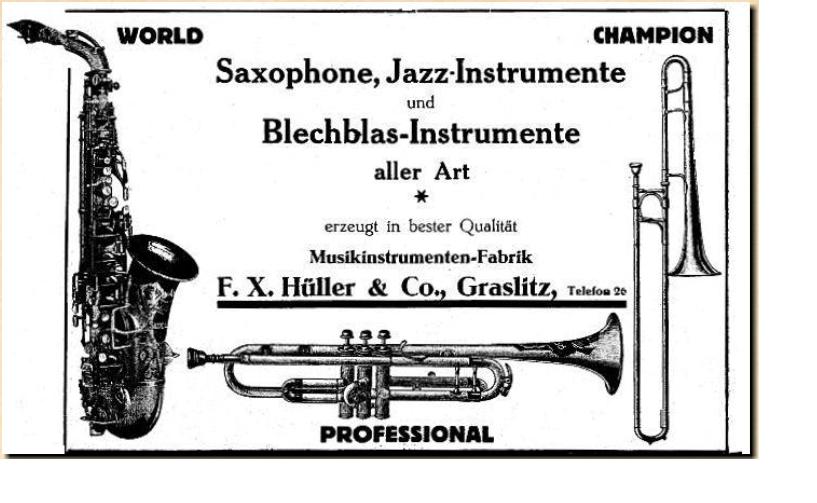
Franz Xaver Hüller source: G.Dullat F.X.Hüller & Co ad
In 1920 his daughters and his sons in law Anton Riedl and Ernst Modl became business partners and the name was changed to F.X. Hüller & Co. Hüller was one of the first Bohemian factories to establish a branch in Markneukirchen, in 1921. In 1929 he is listed there at the address Roter Markt 13, and later on in Klingenthal, both only a few kilometres away but then part of the German Empire. The instrument makers in Bohemia exported a lot. Their branches in Saxonian Vogtland helped to get their products al over the world. Especially when they had to deal with the big market crisis and growing tariff barriers as a result of that in the early thirties.
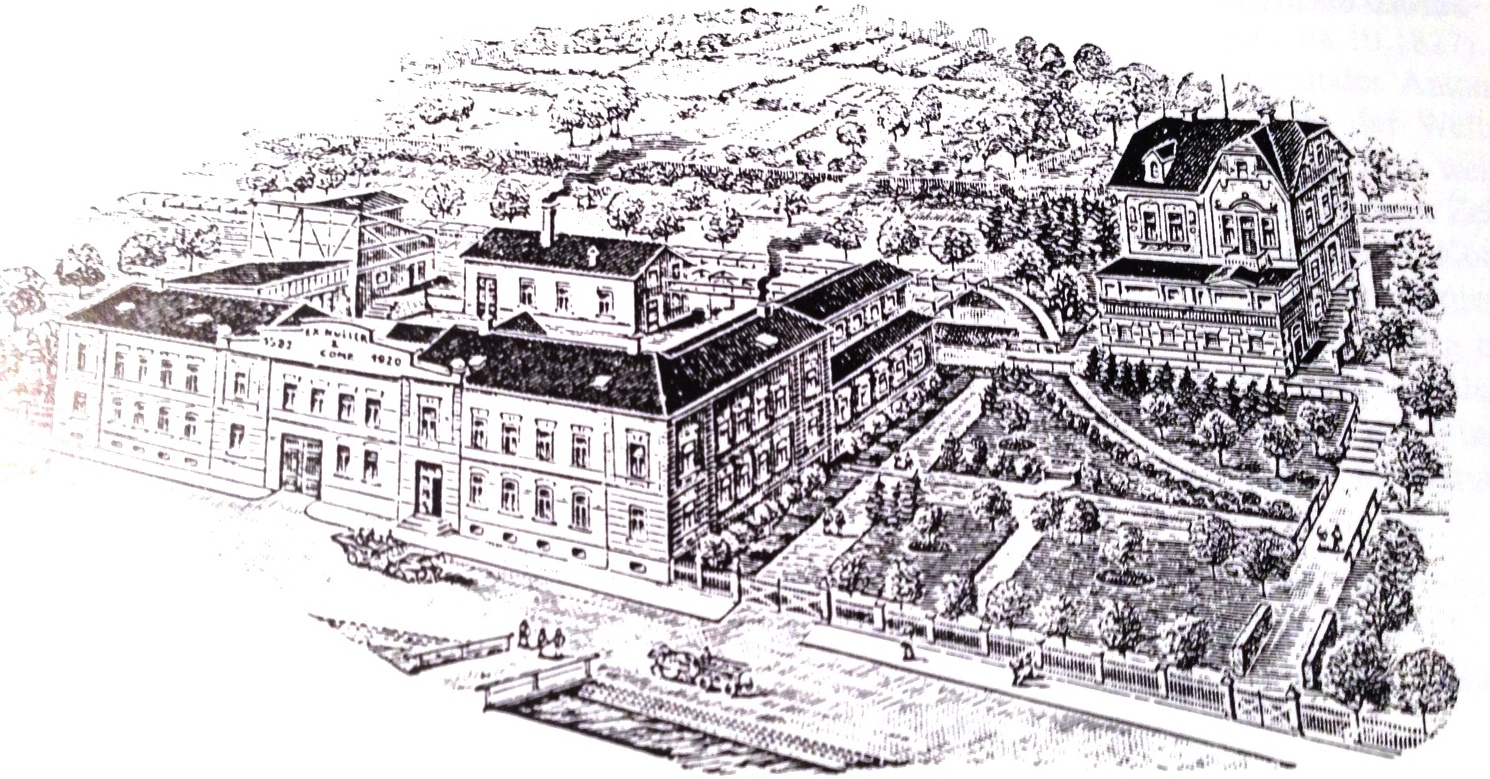
The F.X. Hüller & Co factory around 1920, from an old catalog. Source G.Dullat
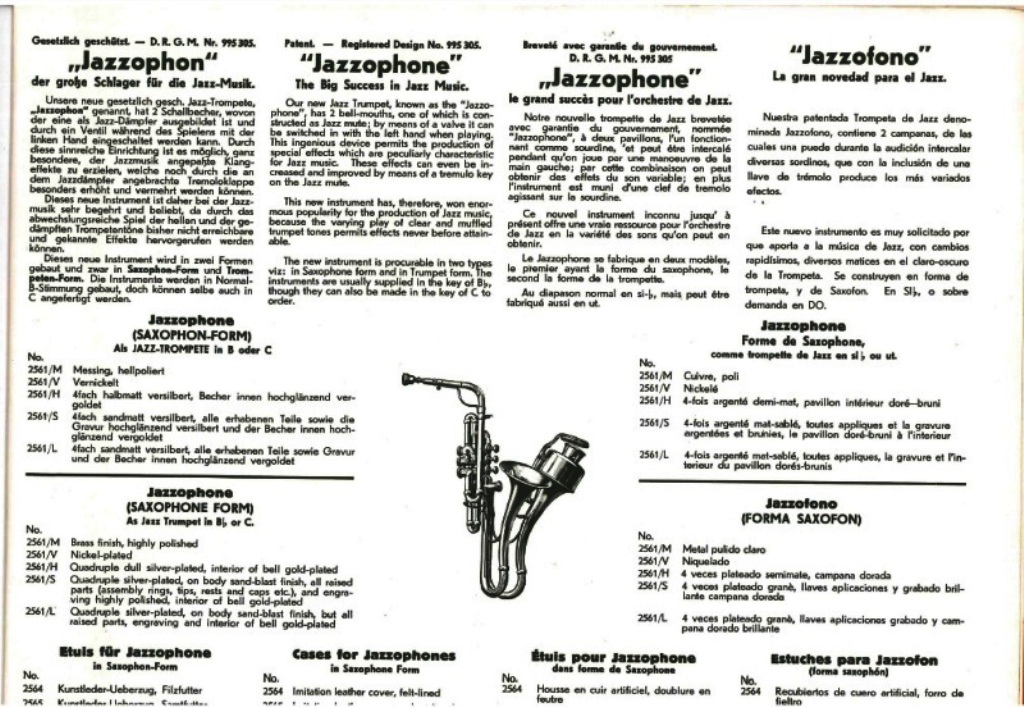
In a catalog to be dated around 1930 Hüller offers the Jazzophon in four languages, in Bb and C and in saxophone and trumpet shape.
In 1930 the Jazzophone appears in an F.X Hüller (misspelled F.H.) ad in the 'Artist', nr.48.
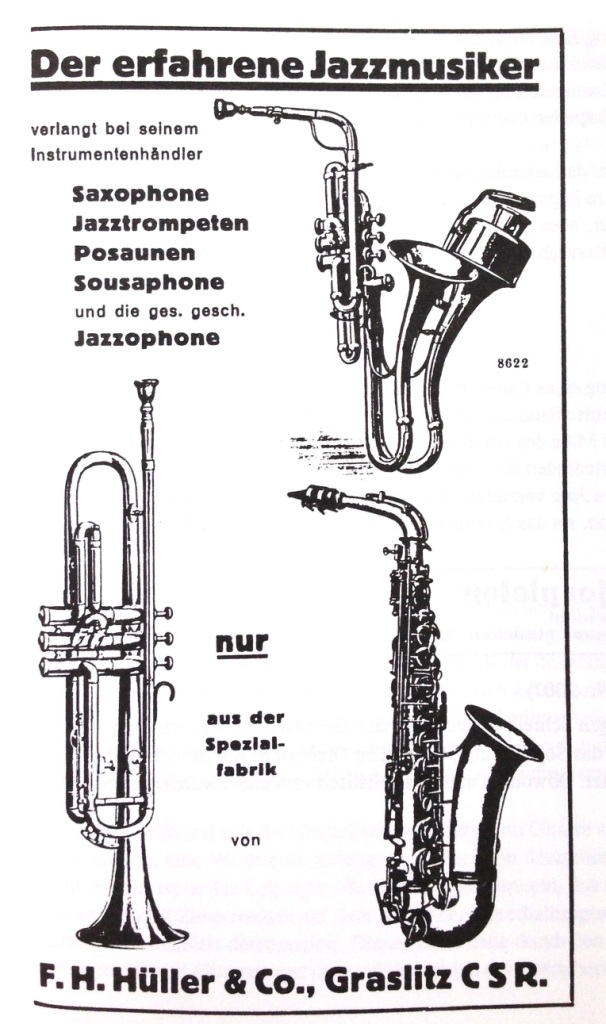 F.X.Hüller
ad with Jazzophon in Artist 48, 1930, nr 2305
F.X.Hüller
ad with Jazzophon in Artist 48, 1930, nr 2305
It's the only time it appeared in this weekly for artists and musicians. 'Nur aus der Spezialfabrik von F.H. Hüller', it says, indicating that he was the only maker. And 'ges. gesch.', gesetzlich geschützt, protected by a patent, which must be the 1926 D.R.G.M. registration. The only known Jazzophon (so far) that's engraved F.X. Hüller & Co popped up via Ebay in 2013 in Daugavpils, Latvia. It's missing a few parts...
|
|
|
||
Jazzophon D.R.G.M. 995.305 engraved F.X. Hüller & Co, Graslitz Czechoslovakia, valve casings numbered 1,2,3 coll. Gerard Westerhof
Hüller died on April 19th 1936. Anton Riedl one year before in 1935. Modl continued the company after WWII in West Germany after the expulsion of Germans from Bohemia until his death in 1972.
C.A.Wunderlich, Siebenbrunn
Where Hüller was the maker, at least three known Jazzophons are labelled C.A. Wunderlich, Siebenbrunn Vogtl. That indicates that Hüller effectively used the channels of this German trader. In 1854, Carl August Wunderlich (1826-1911) started manufacturing wind instruments under the trade mark CEA. At the end of the 19th century the company in Siebenbrunn, next to Markneukirchen, transformed into a wholesale trader of different types of musical instruments. In the first half of the 20th century Wunderlich was seen as one of the most important wholesalers in Vogtland. The company existed until 1966.
|
|
|
|
|
Marked Jazzophon D.G.R.M. 995305 on the mute and C.A.Wunderlich Siebenbrunn Vogtland Germany on the open bell. Ca 1930. Coll. Scott Robinson, (ex coll. Nick DeCarlis) US
At the time,
for wholesalers such as Wunderlich, it was common practice to engrave their own name on the instruments, instead of the name of the instrument's inventor and/or maker. In Markneukirchen and the surrounding areas there were a few hundred instrument builders of all kind, and approximately twenty wholesalers. The wholesalers were able to dictate prices and conditions; thus, most of the instruments are not labelled by the builders but by the wholesalers.
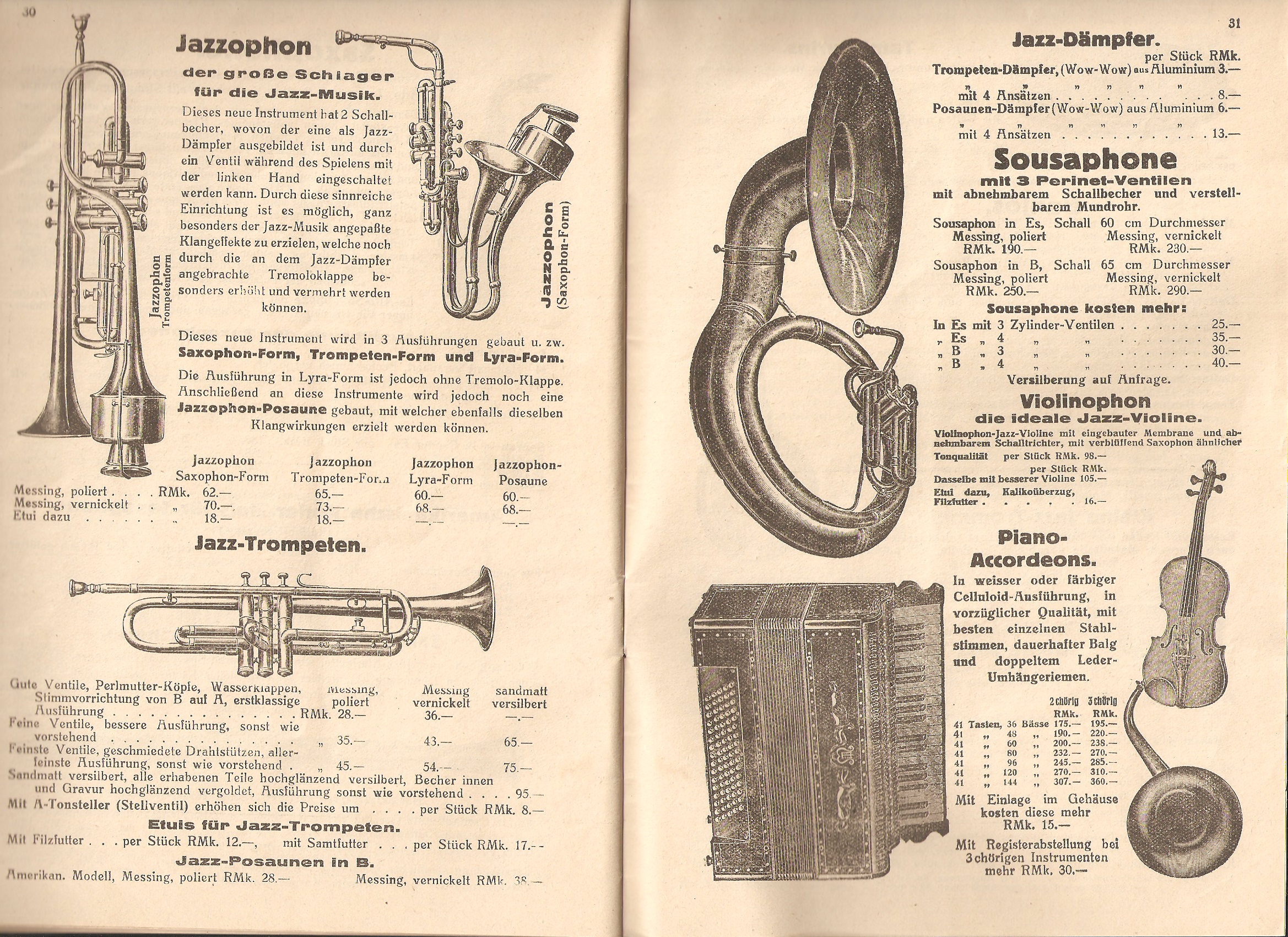
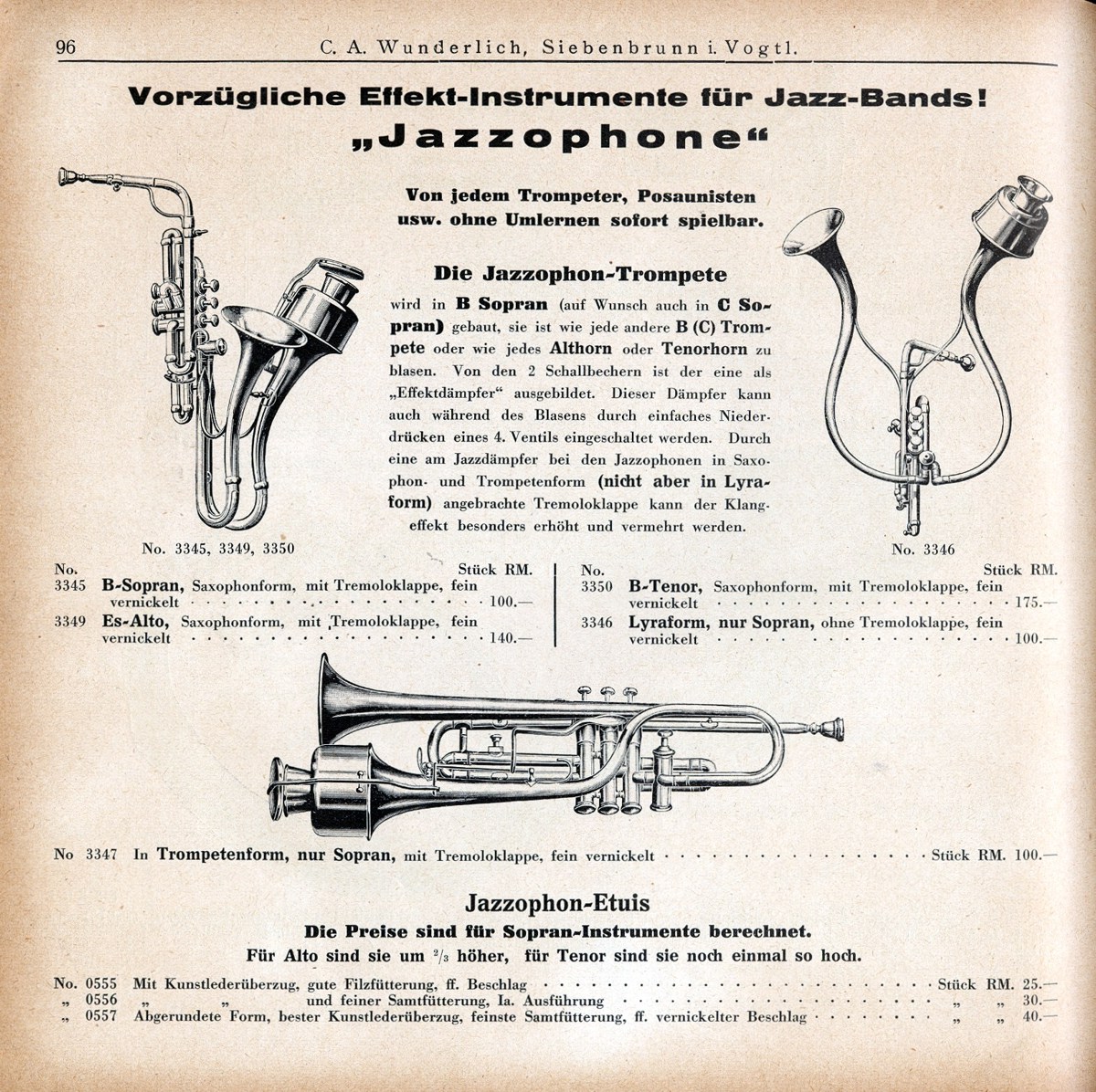 Catalog C.A. Wunderlich around 1928. Click to enlarge
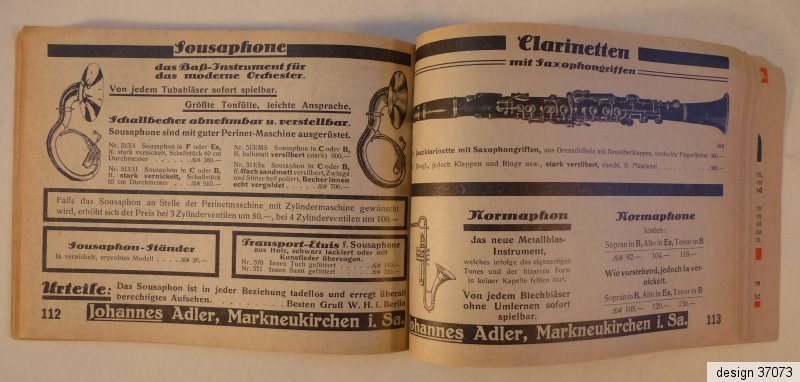
In a c
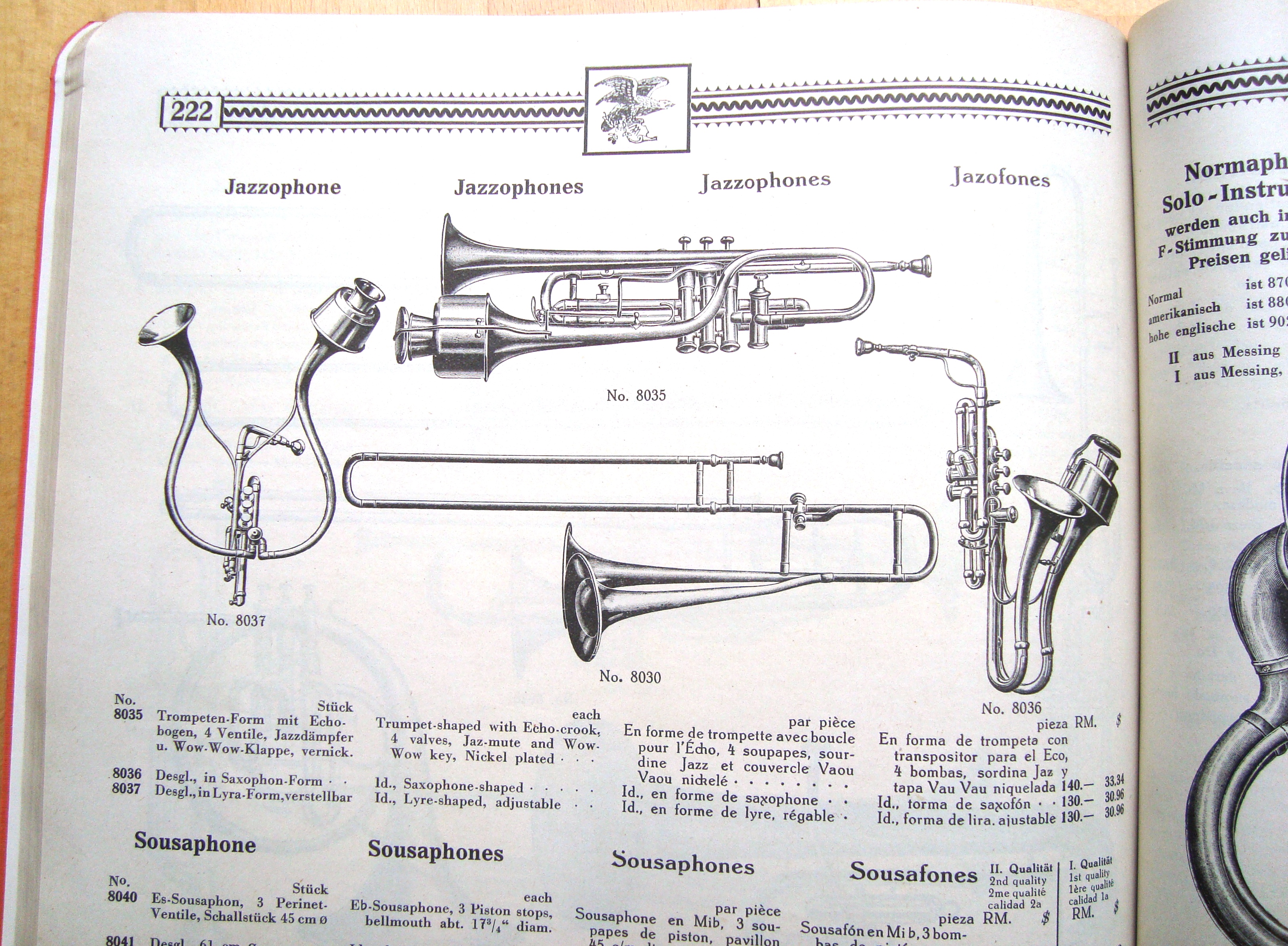
atalog from around 1928 Wunderlich offers besides the soprano Jazzophon (priced at 100 Reichsmark) an alto and a tenor Jazzophon. Wunderlich also offers the Jazzophon in the form of a lyre and a trumpet shaped one. The Jazzophon appeard in the catalogs of several other traders as well, both Czech and German.Josef Glassl was also a manufacturer from Graslitz with a branch in Klingenthal. In his catalog, with on the cover the "Schützen-Kapelle Vohwinkel" and the year 1926, he offered an identical Jazzophon in saxophone and trumpet form, and a trombone and lyra-form as well. The sax shaped one in nickel goes for 70 RM.
Adolf Meinlschmidt, instrument maker and trader from Graslitz offers the same in a catalog without prices.
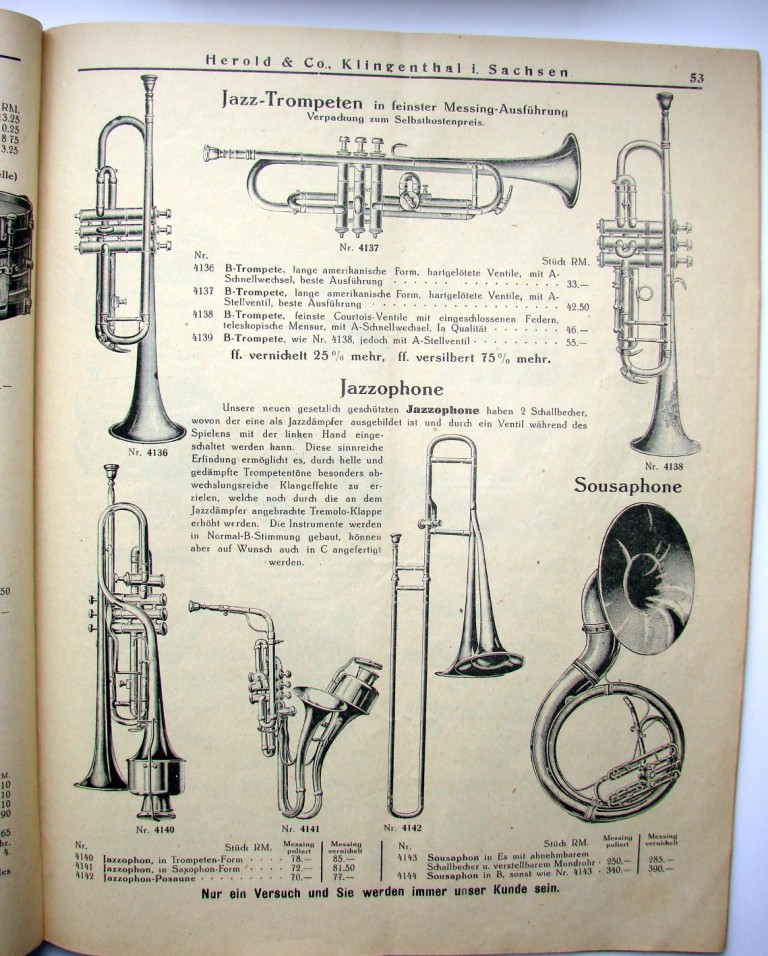
Herold & Co, Musik-Spezial-Firma in Klingenthal in Sachsen offers the trumpet, saxophone (81.50 RM for the nickel edition) and trombone shaped instruments, not the lyra. The instruments are pitched in Bb but can also be made in C. Herold & Co is the first to refer to a patent protection, speaking of "unsere neuen gesetzlich geschützten Jazzophone."
Max Adler from Erlbach, also in Vogtland, offered the same instruments around 1930 in his catalog number 25. The price for the soprano Jazzophon had now risen to RM 140. The alto and tenor Jazzophons had disappeared. On the other hand, he offered a Jazzophone trombone with a double cup and a switch valve.
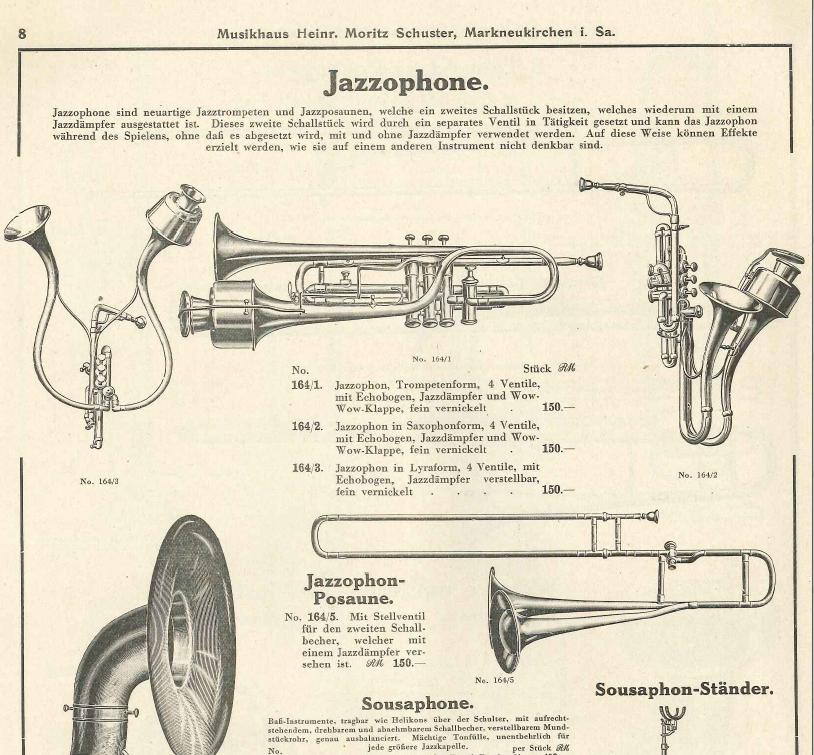
Heinrich Moritz Schuster, Markneukirchen offered the same for RM 150 in a 1930 catalog.
Johann Michl & Sohn, Graslitz
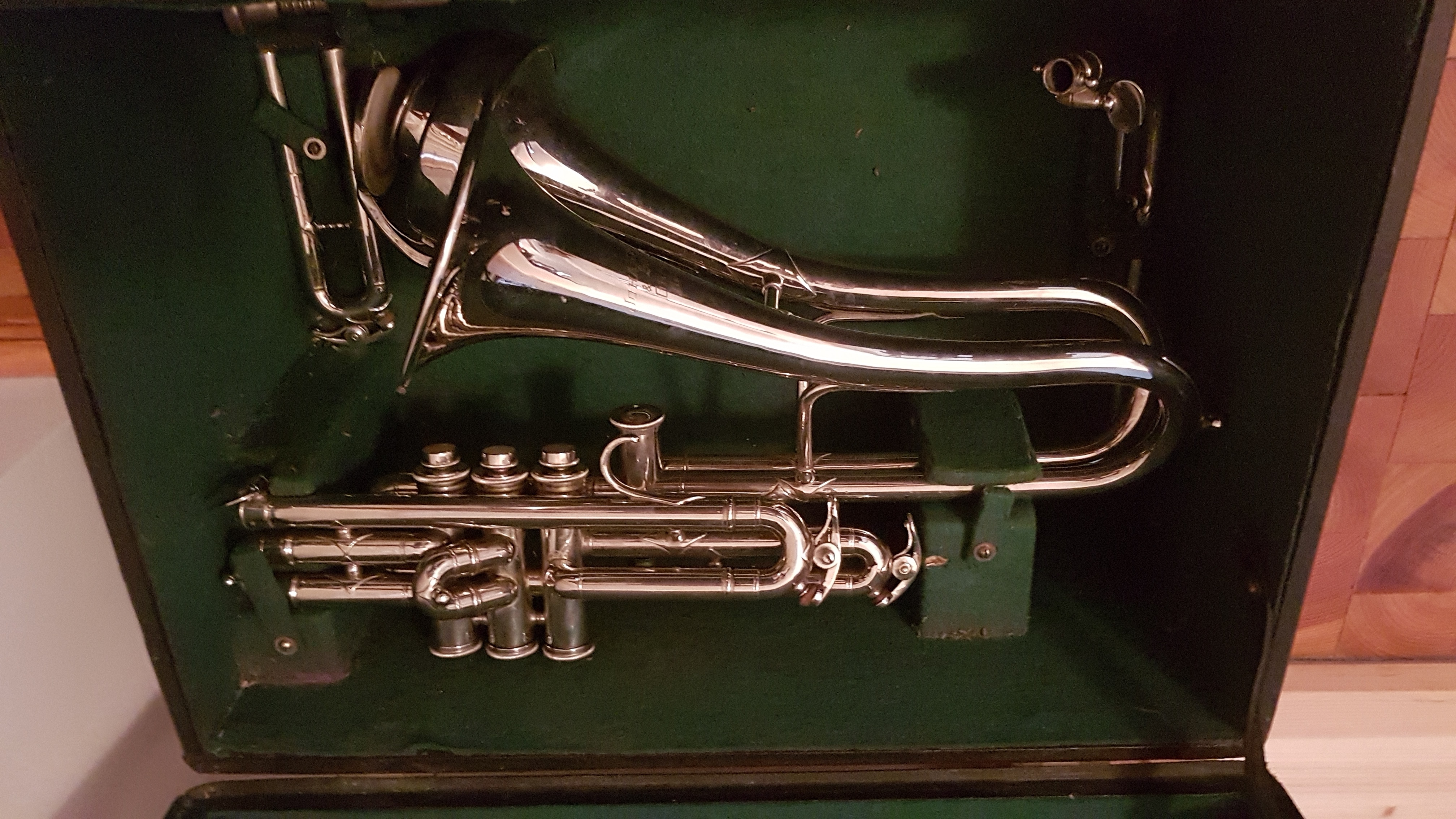
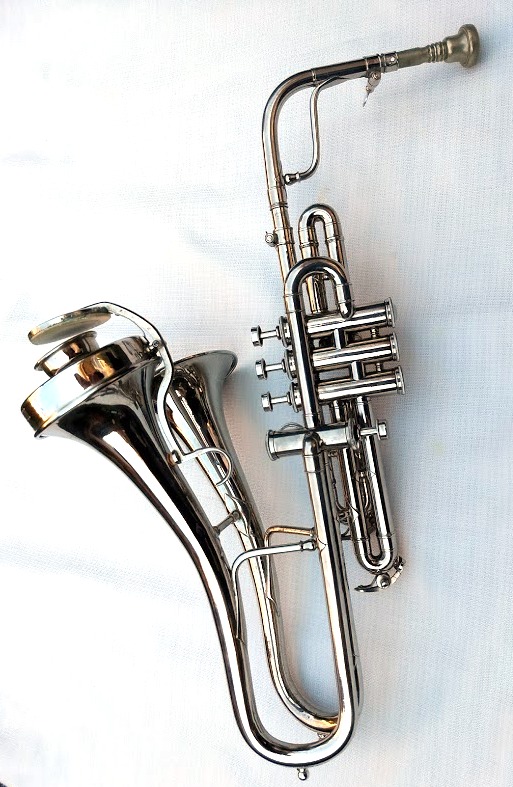
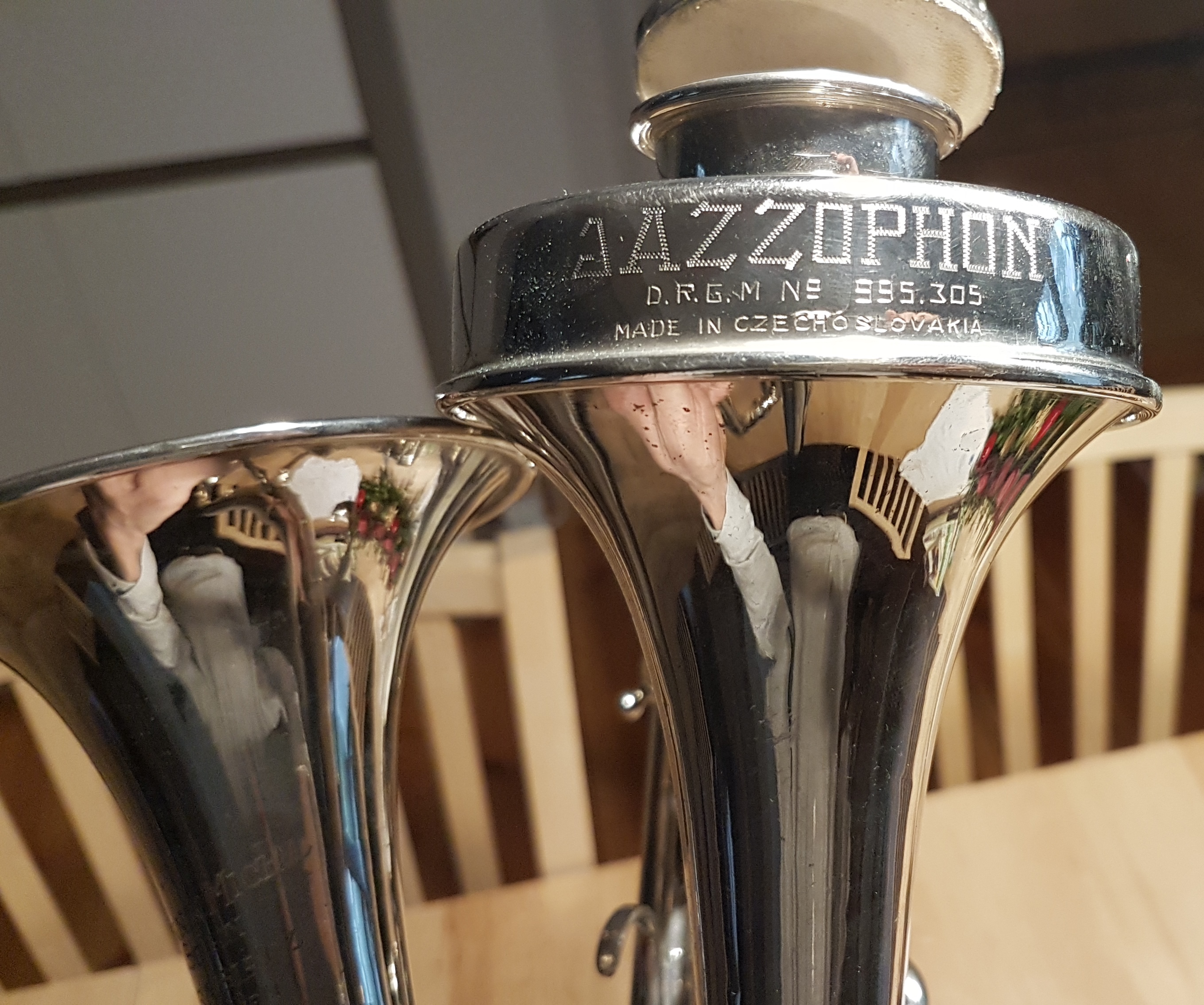
A jazzophon with Bb and A tubes was bought new around 1932 by Josef Fiedler (1899-1975) who lived at nr 116 in Warta (now Stráž nad Ohří) a small village with some 780 inhabitants along the Eger, some 60 km from Graslitz. On the bell is written Johann Michl & Sohn Graslitz. Johann Michl & Sohn was known as a stringed and woodwind maker as well as a brass instrument maker and trader in Graslitz from 1870 onwards. By then Wendelin Michl, the third generation (1888-1973), was in charge already (since 1-9-1926), at the adress Kaiserstrasse 937 (later Richard Wagnerstrasse and now Sokolovská 937, opposite the Amati Denak factory building). On the muted bell there's the inscription 'Made in Czechoslovakia', alongside the D.R.G.M. number. Michl was trading a lot of different instruments, I suppose here he also was the trader and not the maker. The buyer, Josef Fiedler, played in one of the many (dance) bands that were around in this region along the Eger. His son Reiner Fiedler, who inherited also his flugelhorn and a C trumpet, cannot explain what made his father buy this expensive instrument. "He was a postman, they had one cow, were rather poor." In August 1945 Fiedler had to leave Bohemia/Sudetenland like more than 2 other million Germans (amongst whom also Wendelin Michl). The jazzophon, the flugel and the C trumpet and a Schwarzwald clock came along in the freight train that brought them to East Germany, where they first settled in Lutherstadt Eisleben. Fiedler never played it since, according to his son, Reiner Fiedler (1941) who later became a professional trumpeter, and played till 1989 in the Landes Polizei Orchester in Magdeburg. Reiner played the jazzophon but only a few times, in the theater in the sixties.
Another jazzophone with engraving Johann Michl & Sohn, Graslitz, was offered in 2006 at an auction in Vichy, France.
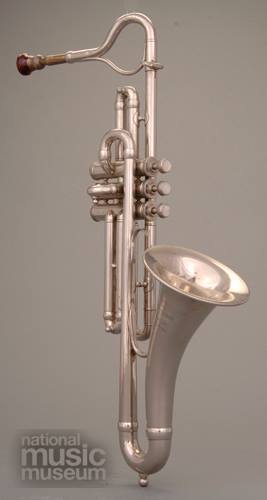
And in a display in the exhibition Musical Innovations of the Industrial Revolution in the Cutler Gallery of the National Music Museum in Vermillion, South Dakota, as of 1995 there is a Jazzophon on view, dated 'ca. 1925' and attributed to Pfretzschner & Martin from Markneukirchen by collector Arne B Larson who donated the instrument in 1979 to the museum. The Deutsche Signal-Instrumenten-Fabrik Pfretzschner & Martin was renamed Signalinstrumenten Fabrik Max B. Martin on 5-1-1925.
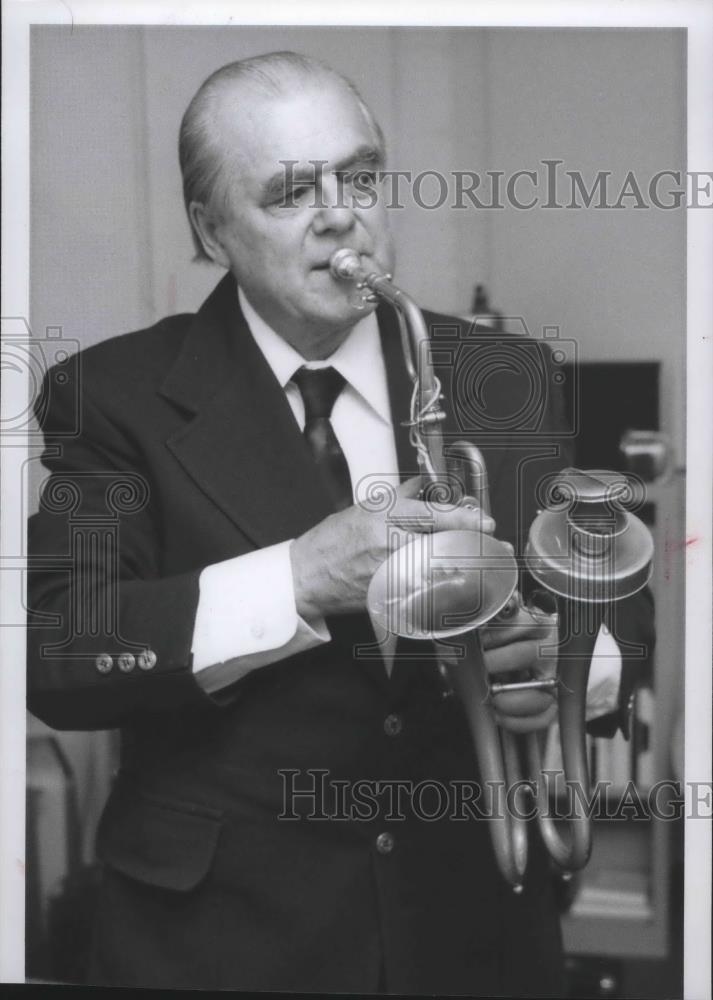 Dr.
Arne B. Larson, source Ebay.com
Dr.
Arne B. Larson, source Ebay.com
On a 1977 press photo Dr. Arne B. Larson, who's collection is the heart of the NMM collection, is holding a Jazzophon. However, this Jazzophon is another one than the one below that's also belonging to the NMM, the mute being flatter.
|
|
|||
Jazzophon Ges.Gesch, Valve cases and upper valve caps stamped 67, 68, 69 and 30 (fourth valve). coll. National Music Museum
Most of the now known Jazzophons are engraved with "Jazzophon / D.R.G.M. 995.305" on the mute. The National Music Museum owns an example engraved 'Jazzophon Ges.Gesch.'. The instruments in the ads and catalogs from Rölz, Wunderlich, Glassl, Herold & Co, Adler and Hüller himself don't appear to be engraved like that, although Hüller refers to the patent protection in the 'Artist' ad. The picture/drawing in these ads (pictures that are all identical) have a slightly different shape than the instruments with the D.R.G.M.-engraving; their mute is higher and more rounded, the braces that support the bells are curved instead of straight. The NMM instrument is similar to the design that's showed in the catalogs and ads
A catalog
of an exposition in Nauheim, Germany in 2013 lists
a Jazzophon that's probably in E flat. The exposition about
'400 Jahre
Musikinstrumentenbau in
Graslitz' showed the instrument from the collection
of Amati-Denak in Kraslice, the musical instrument company that was the
successor of F.X.Hüller and others. The instrument was made by the
technical school for musical instrument makers (Fachschule für Musikinstrumentenerzeugung)
in Graslitz, somewhere
after 1926, according to the catalog by Guenter Dullat.
The bells measure 15 cm each.
According to a text in
a
showcase in the National
Music Museum in
Vermillion, South Dakota
there are
even three Jazzophons
preserved in Kraslice.
The source of that statement must be an article by John Webb in the Galpin
Society Journal 1983 where he describes an excursion to the museum on the
second floor of the Fachschule für Musikinstrumentenerzeugung. There he
discovered three of these sax shaped instruments with a double bell.
They are called Džezofony.
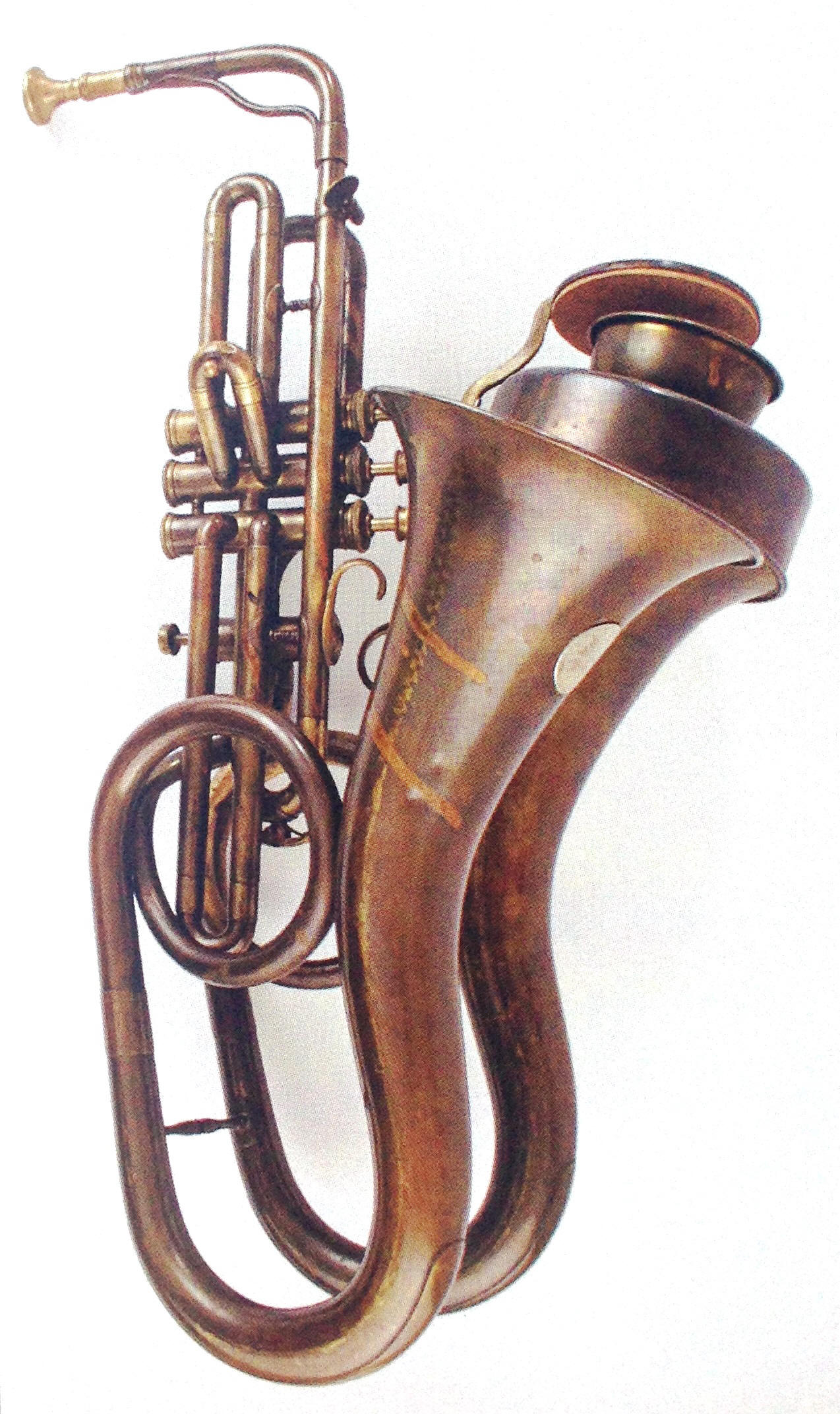
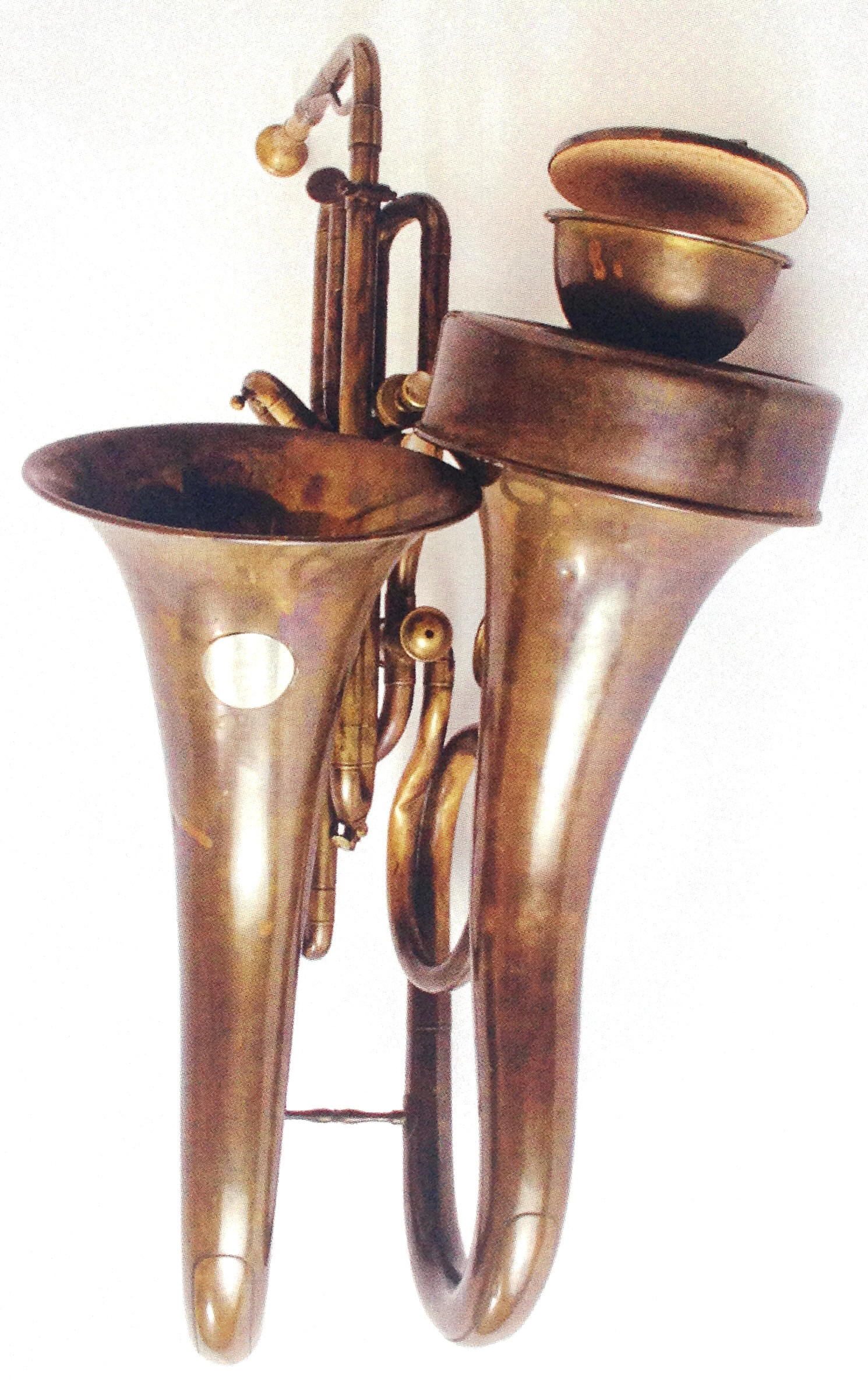
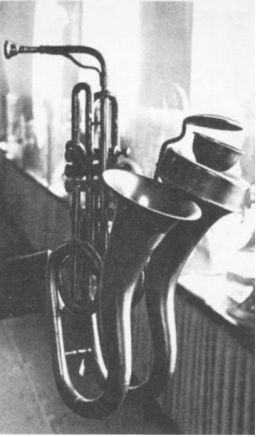
Jazzophon in E flat (?), coll.: Amati-Denak, Kraslice, source catalog '400 Jahre Musikinstrumentenbau in Graslitz' ` same Jazzophon, source: Galpin Society Journal, March 1983
Trumpet shaped Jazzophon
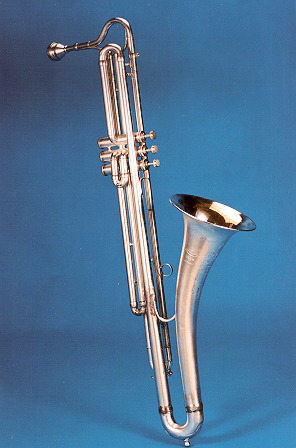
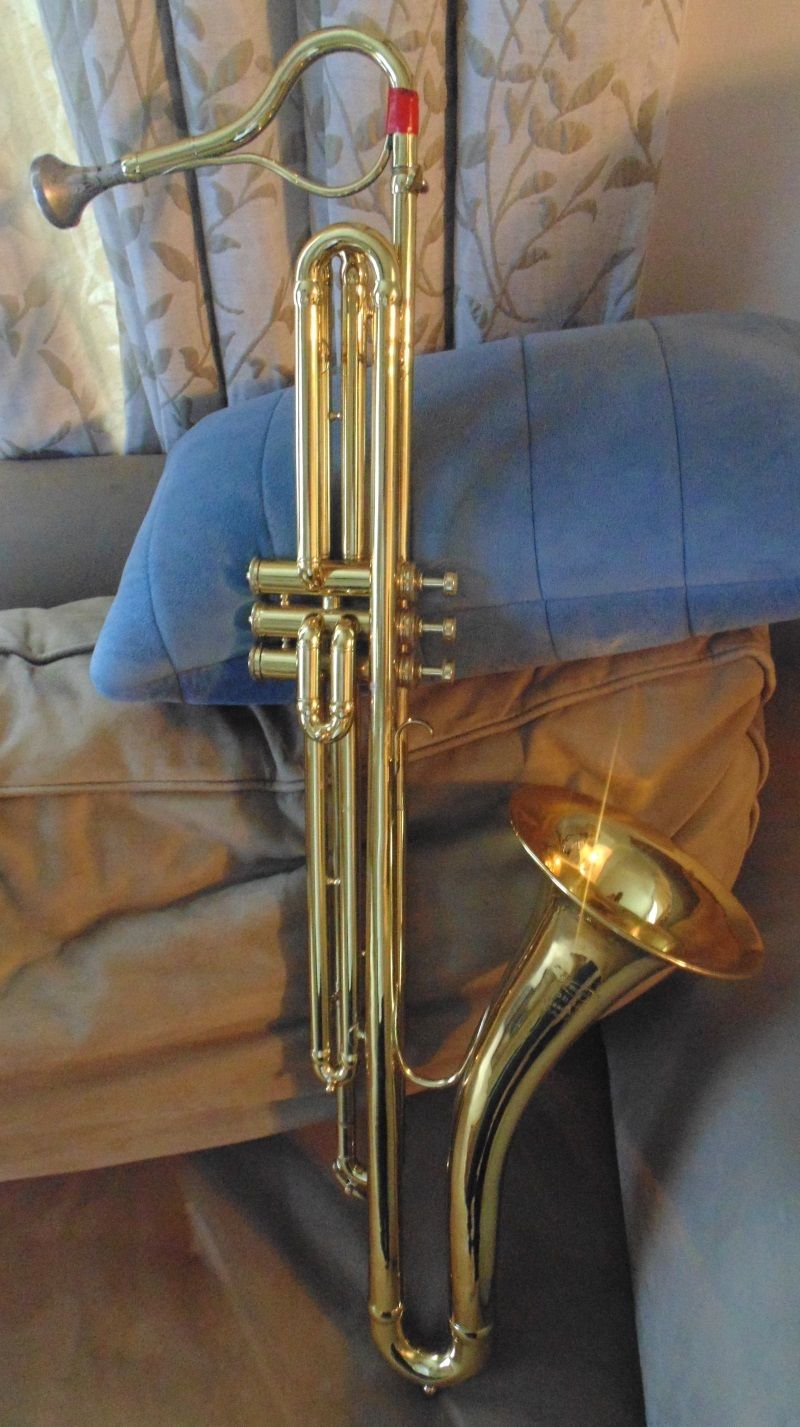
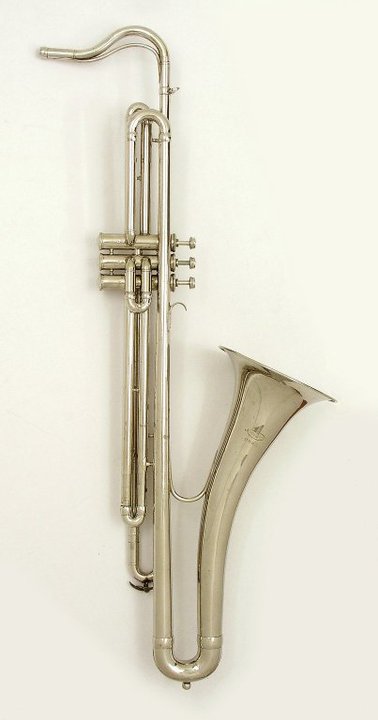
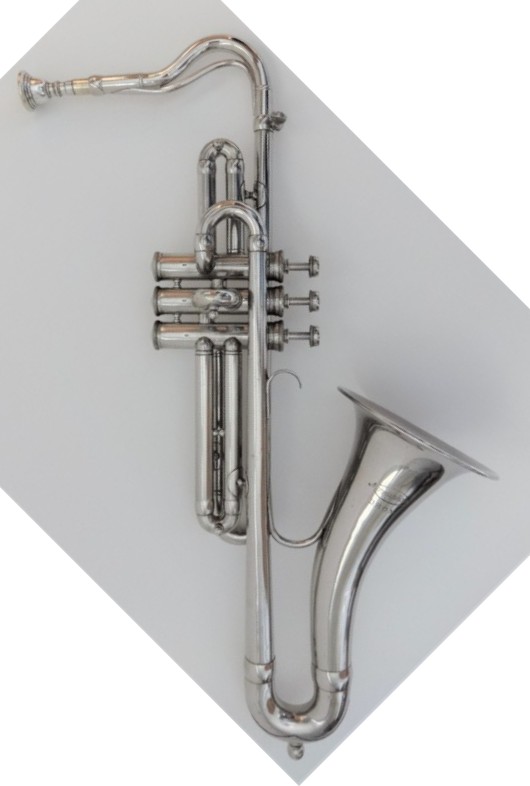
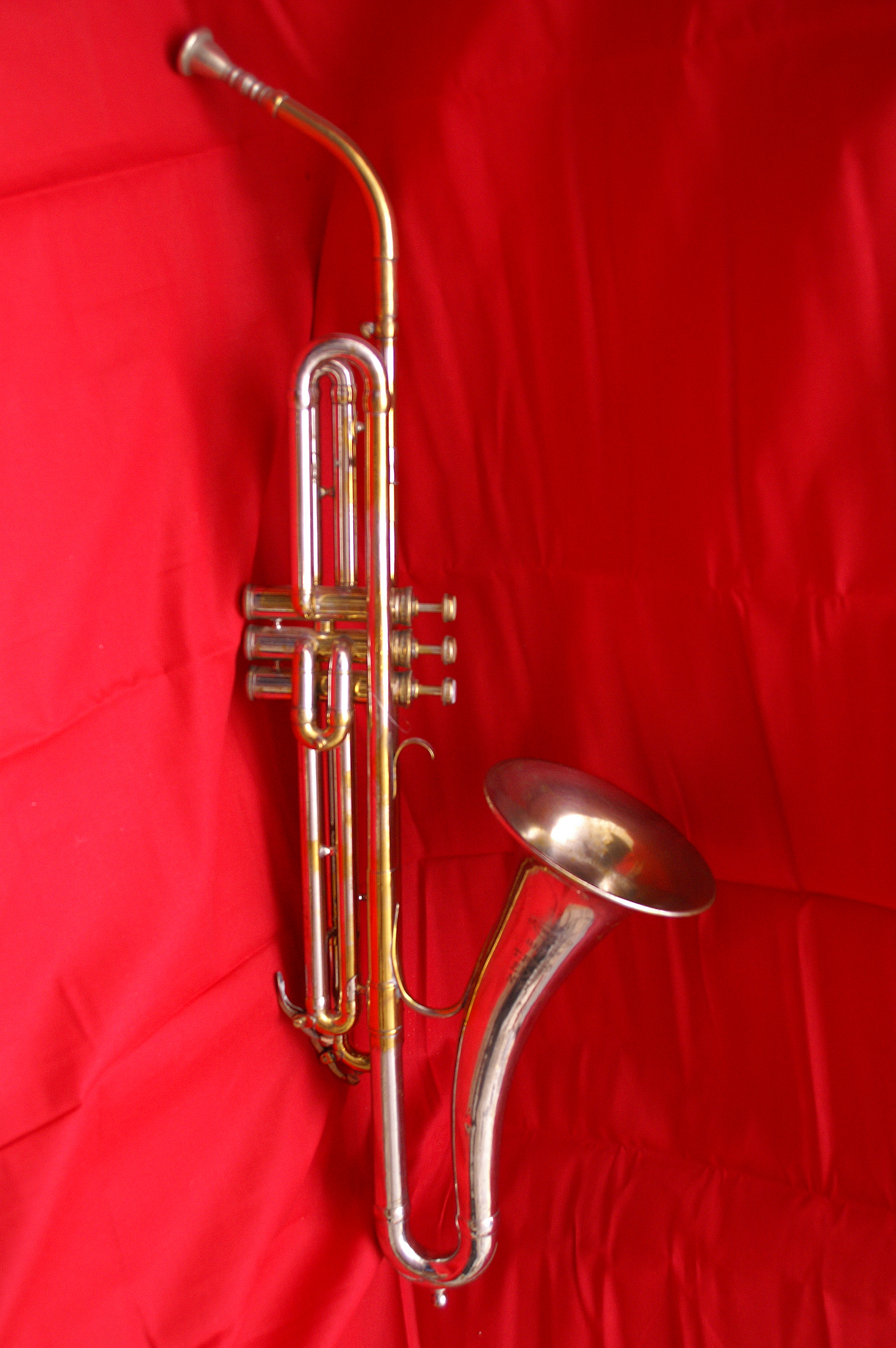
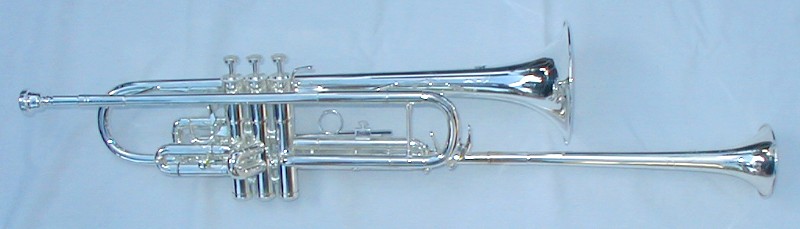
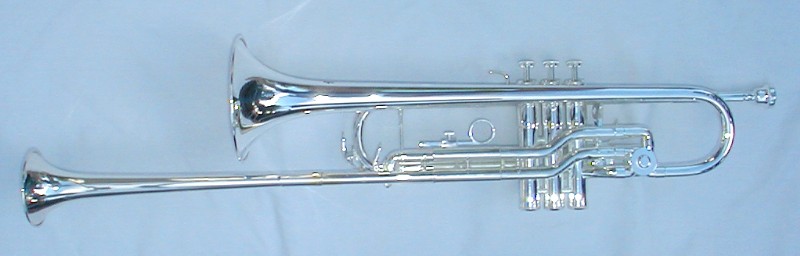
No lyra or trombone shaped Jazzophons are known but there are at least two trumpet shaped Jazzophons around. One is in the collection of the Trompetenmuseum in Bad Säckingen. It's engraved 'Jazzophon-Trompete' along with the D.R.G.M registration number and attributed by the museum to F.X.Hüller.
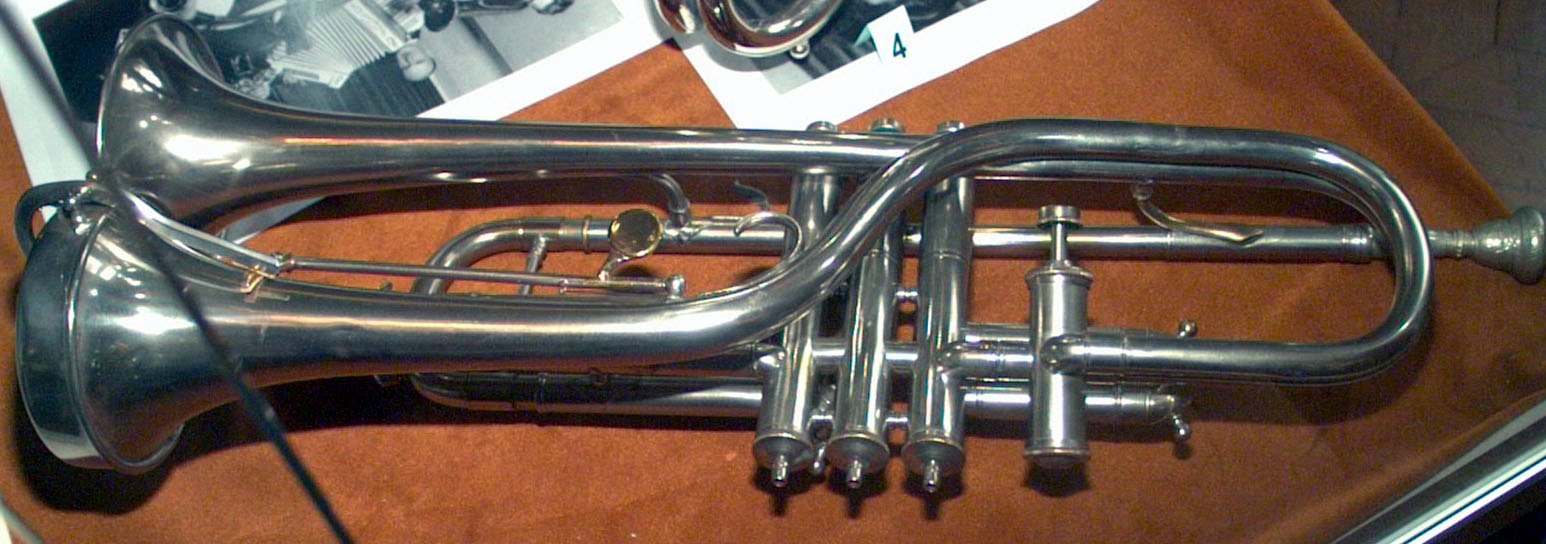
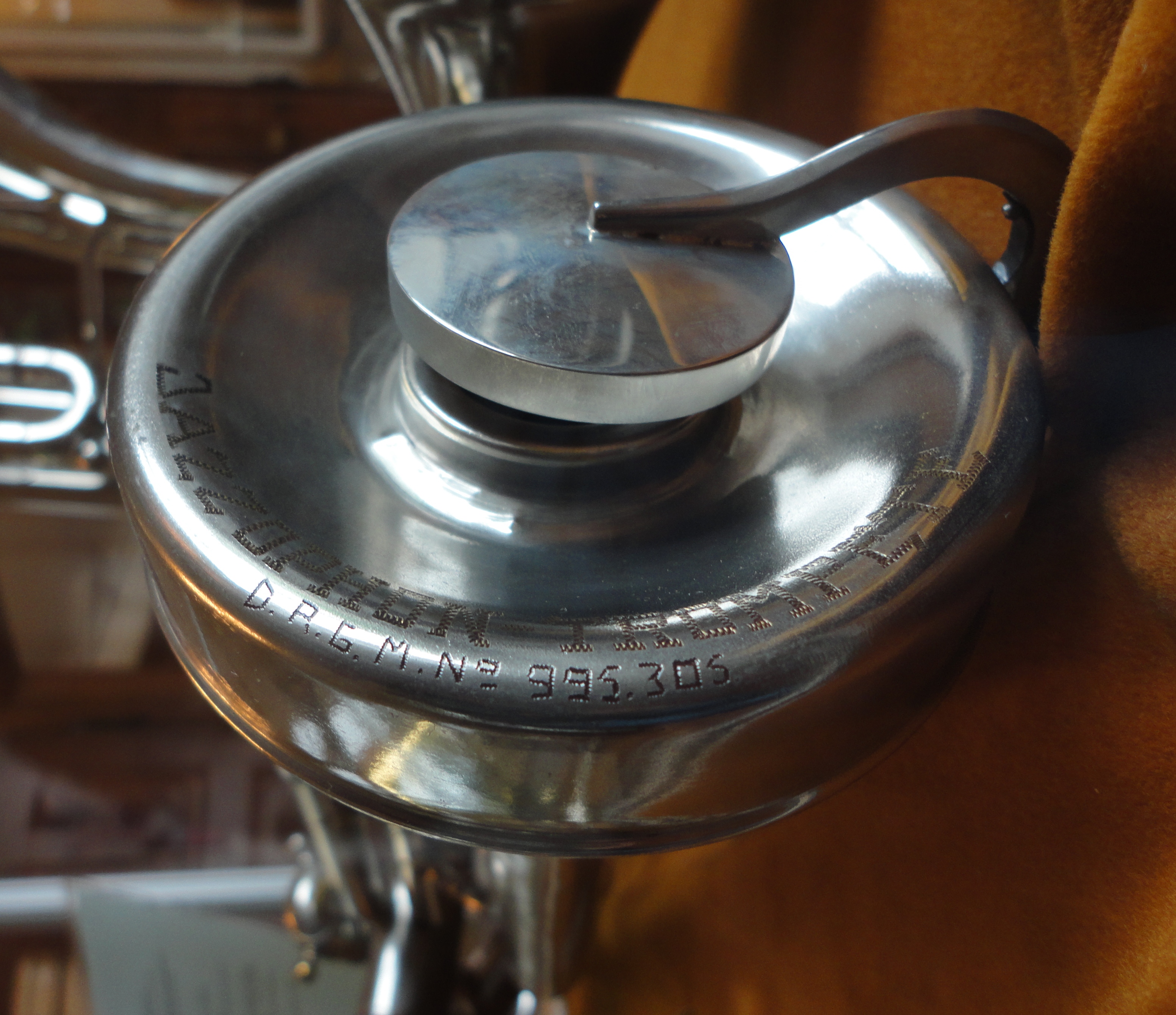
Jazzophon, engraved Jazzophon Trompete D.G.R.M. No 995.305, in 1989 acquired from William Scarlett, Chicago by Trompetenmuseum Bad Säckingen
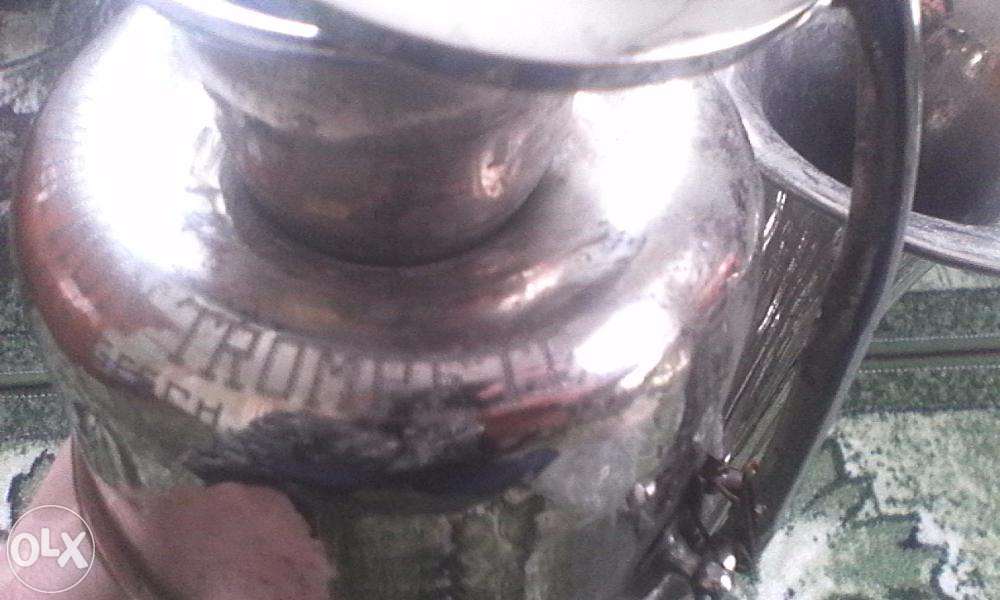
Another Jazzophon Trompete was offered for sale from Orekhov, Ukraine in 2017. This one has the higher mute form. It also has the text Ges. Gesch. on the mute, Gesetzlich Geschutzt, protected by law, instead of the D.R.G.M. registration number.
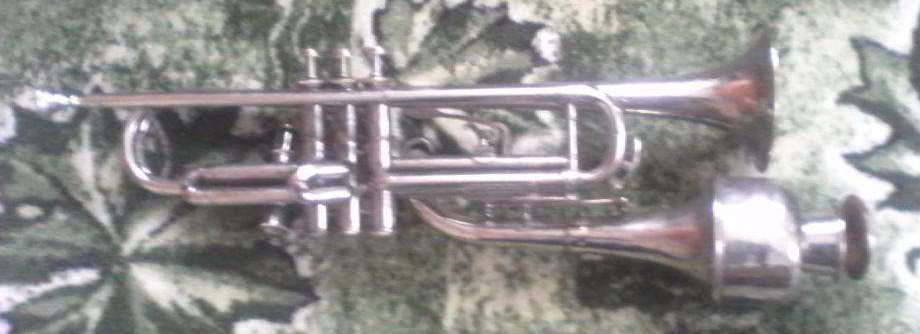 Jazzophon Trumpet valve numbers 70,71,72,6 source olx.

On this undated postcard an unnamed orchestra with mainly string instruments has a trumpet jazzophon in front. The picture is made/printed by a Poznan photographer, J. Majewski, so I guess it will be a Polish orchestra.
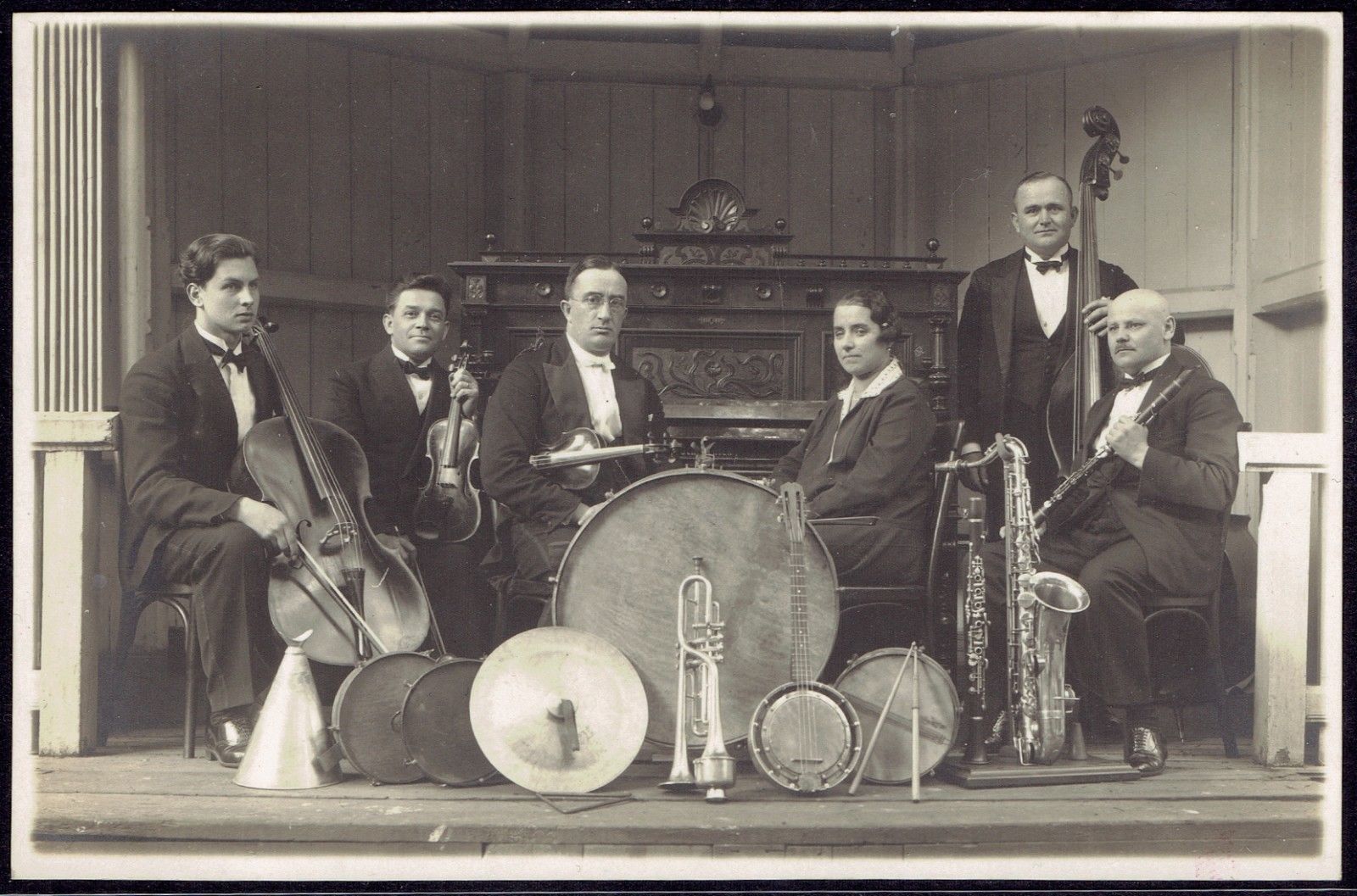 Polish orchestra, source Ebay.com
Vincent Bach
Another trumpet-shaped Jazzophon resides in the National Music Museum in Vermillion, US. This one is practically identical with the above, only it's engraved 'Stradivarius Model 7 Faciebat Anno 1931 Vincent Bach Corporation New York USA'. The valves are numbered 91, 92, 93.
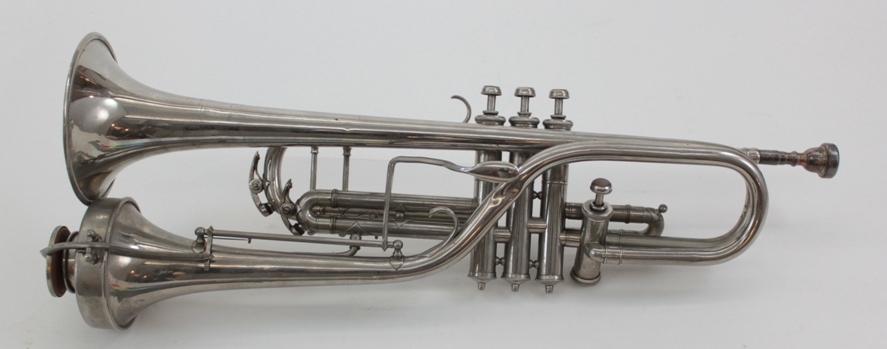
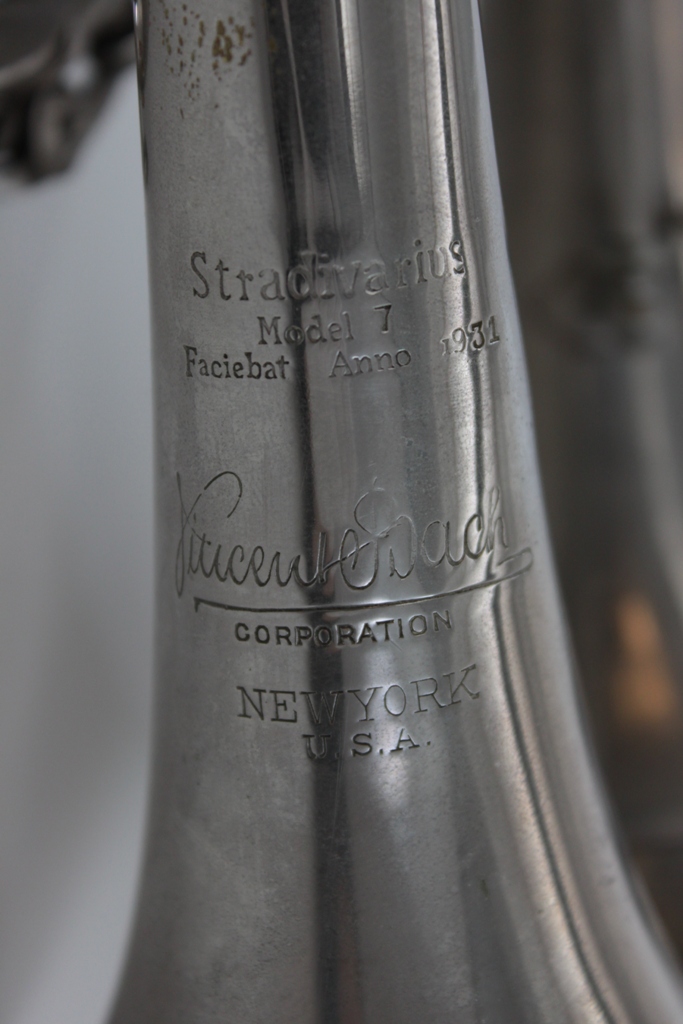
Jazzophon, engraved Jazzophon Trompete D.G.R.M. No 995.305, from the Arne B. Larson Collection, since 1979 in National Music Museum Vermillion South Dakota
Vincent Bach, born in 1890 as Vincent Schrotenbach in Baden bei Wien in the Austro-Hungarian Empire, in 1914 changed his name to Bach and fled to the United States where he worked as musician. He started producing mouthpieces and in 1924 expanded to the production of trumpets and cornets under the 'Stradivarius' name (to project an image of quality). By 1928, he relocated to a Bronx factory adding trombones to his product line. According to Bach researcher Roy Hempley, Bach began stamping model names on his instruments after approximately 85 instruments were made. It appears that the Faciebat Anno marking arrangement also started at the same time. Hempley thinks that Bach introduced model names in relation to his application for trademarks. This occurred in August 1925. (They were officially registered in March 1926.) Faciebat anno is Latin for 'manufactured in the year'. It is stamped with a year designator following it, 1931 in this case. The year usually reflects when the instrument was sold, and this can be a different from the year the instrument was actually completed. Hempley told the museum that as there is no serial number on the instrument, he believes it's not made by Bach. I believe it's made by Hüller.
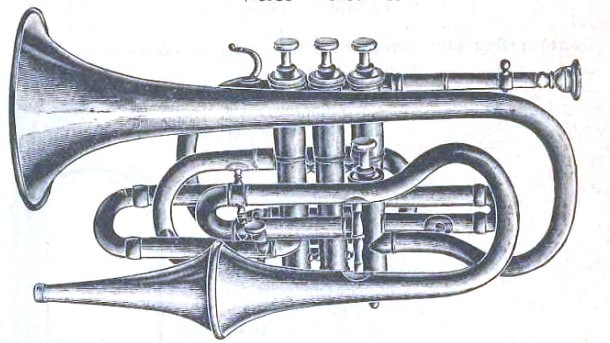
The Jazzophon in it's construction very much resembles the echo-bell cornet that was popular in the late 19th century until the immediate post-WW1 era. See for example the one that Markneukirchen trader Edmund Paulus offered in his 1911 catalog.
Miraphone, Waldkraiburg
There are several Jazzophons marked Miraphone on the mute. Almost identical to the afore mentioned Jazzophons, these are post-World War II instruments, because Miraphone is a post WW II brand. After WW II the region of Graslitz, also known as Sudetenland, became once again part of Czechslovakia and most of the German population in Sudetenland was expelled. Thirteen instrument makers from Graslitz moved to Waldkraiburg in the southern part of West-Germany and started repairing musical instruments under the name 'Produktivgenossenschaft der Graslitzer Musikinstrumentenerzeuger eGmbH'. As of 1947 they built new instruments as well, branded Miraphone. The new Miraphone-logo was used from 1948 onwards. Miraphone PR-manager Kari Theinert said: "Our company has actually built a whole series of Jazzophones. Unfortunately, there is no archived documentation or old catalog material anymore. The engraving of this instrument shows that it's manufactured around the late 60's at our facility in Waldkraiburg. Most of these instruments were exported to the United States."
|
|
|
|
|
Jazzophone marked Miraphone, 1960's, coll. Erik Totham, California US
SBMaestro, a Trombone Forum member from Southern California bought his Miraphone on German Ebay, in 2013. It's in brass. The Miraphone Jazzophones are remarkably identical to the pre-war ones, in their overall shape and the braces. Only the valve caps and bottoms, the pinky ring and the form of the cap on the muted bell are different. That suggest a rather direct connection between the Hüller line of production and the Miraphone one. Maybe the tooling or maybe parts were brought to Germany....
|
|
|
|
|
Jazzophone marked Miraphone, brass, valves marked 43, 44, 45 and 57 (fourth valve) coll.: SBMaestro, California US
Another Miraphone Jazzophone that has a strap ring.
|
|
|
|
|
Jazzophon Miraphone, valve casings numbered 57, 58, 59 and 11 (fourth valve), coll. Steve Ward US
In 2011 a certain 'Destiny' stated to have had another Miraphone.
A very rare bird is this soprano trombone Jazzophon from the collection of Vaclav Muska in Prague. It's pitched like a trumpet, so higher than a tenor trombone. On the bell 'Jazzophon' and the patent number, no maker's or trader's name.
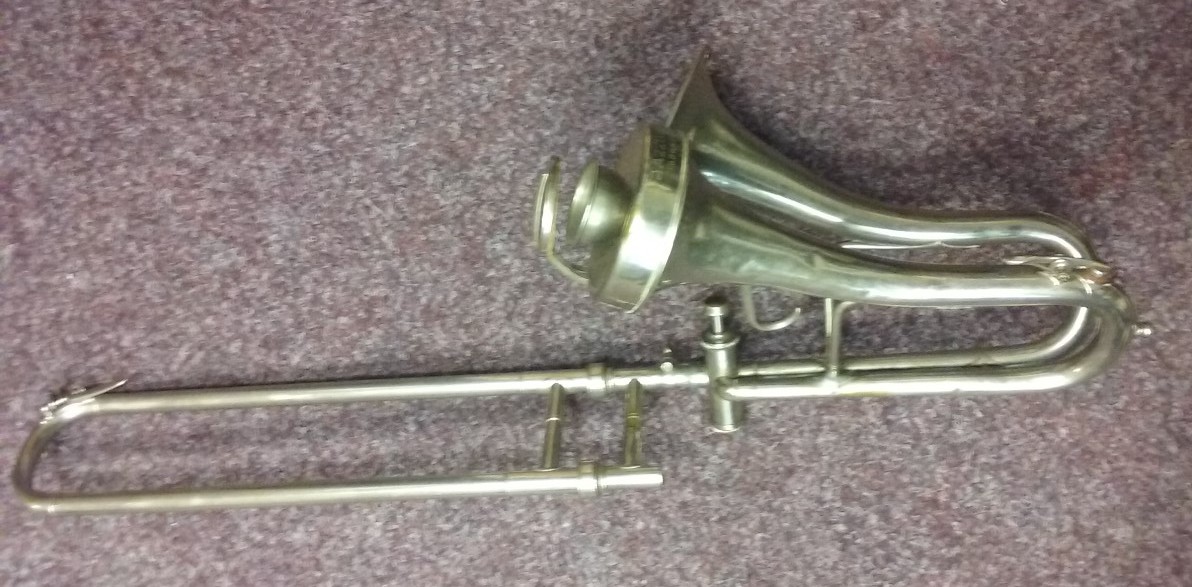
Jazzophon soprano trombone Jazzophon, coll. Vaclav Muska, CZ
Jazzophons overview
|
|
|||
Jazzophon of the late Frank Tomes, Londen, here played in 2009 by David Staff. No maker or dealer's name, only D.R.G.M. No. 995 305. Tomes bought it from John R.T.Davies, who bought it from a music shop in Rome while on tour with the 'Temperance Seven' a British 20s style jazz/dance band.
|
|
|
|
|
|
|
|
|
|
|
|
|
|
|
|
|
|
|
|
1 a-b Jazz-o-phone. c. 1926, brass, understood to be German. One thumb lever directs the sound through the muted bell, while the other thumb lever controls the wah-wah. Sold by Sid Glickman, New York US in 2010
2 Jazzophon GES.GESCH. ca 1927-1929 Coll. National Music Museum Vermillion, South Dakota US
3. Jazzophon D.R.G.M. 995.305. Coll. Attilio Berni, Fiumicino, Italy,
4. Professional Jazzophon D.R.G.M. 995.305 brass, auctioned at Sotheby's in 1983
5. Jazzophon D.R.G.M 995.305. Coll. Robert Ullery, Virgina, US,
6. Jazzophon D.R.G.M 995.305 valve casings stamped and numbered 46,47,48 and 17 (fourth valve) Coll. Trompetenmuseum Bad Säckingen, Germany
7 a-b. Jazzophon, D.R.G.M. 995.305 attrib. Pfretzschner & Martin valve casings stamped and numbered 19, 20 and 21, and 9 (fourth valve) Coll. National Music Museum Vermillion, South Dakota VS
8 a-b-c. Jazzophon D.R.G.M. 995.305 1920's. Hartenberger World Music Collection, Missouri, US
9. Jazzophon coll. Attilio Berni, Fiumicino, Italy
10. Jazzophon D.R.G.M. 995.305 coll. Musikmuseet, Stockholm, Sweden with a straight(ened?) leadpipe
11. Jazzophon D.R.G.M. 995.305 Wunderlich coll. John Stavash Cleveland Ohio, VS
12. Jazzophon D.R.G.M. 995.305 coll. Vaclav Muska Prague CZ, valve numbers 4, 5, 6, acquired 2016 through Obrazy v aukci, Prague
13. Jazzophon C.A. Wunderlich Siebenbrunn Vgtl. coll Musik-Museums Basel
14. Jazzophon C.A.Wunderlich Siebenbrunn Vgtl. coll. Christian Henninger, Bauerbach G
15. Jazzophon Trompete Ges. Gesch. valve casings stamped and numbered 70,71,72 and 6 (fourth valve), offered on olx.ua in 2017 from Orekhov UA
And the ones mentioned before:
Jazzophon D.R.G.M. 995.305 C.A. Wunderlich Siebenbrunn Vgtl. coll. Gerard Westerhof,Netherlands
Jazzophon D.R.G.M. 995.305 C.A.Wunderlich Siebenbrunn Vgtl. coll. Scott Robinson, US
Jazzophon F.X. Huller Graslitz Czechoslovakia coll. Gerard Westerhof, Netherlands
Jazzophon, 'probably Hüller', 1920's, formerly coll. Erik Totham, California, US
Jazzophon D.R.G.M. 995.305 Johan Michl & Sohn Graslitz Böhmen, Made in Czechoslovakia, coll. Gerard Westerhof
Jazzophon Trompete D.R.G.M. 995.305 coll. Trompetenmuseum Bad Säckingen, Germany
Jazzophon Trompete D.R.G.M. 995.305 Stradivarius Model 7 Faciebat Anno 1931 Vincent Bach Corporation New York USA coll. NMM Vermillion, South Dakota, US
Jazzophon coll. the late Frank Tomes London, Great-Britain
Jazzophon Miraphone 43, 44, 45 and 57 (fourth valve) coll. SBMaestro California, US
Jazzophon Miraphone valve casings numbered 57, 58, 59 and 11 (fourth valve), coll. Steve Ward,Virginia, US
Jazzophon marked Miraphone, 1960's, coll. Erik Totham, California, US
Jazzophon Miraphone 'Destiny'
Jazzophon probably Eb, as played in the Bob Zajíček Kvintet
Jazzophon, probably Eb, coll. Amati Denak, Kraslice, CZ
Jazzophon at Jazzens Museum Strömsholm SV
Jazzophon soprano trombone coll. Vaclav Muska , Prague, CZ
The Jazzophon Background of the Jazzophon Other sax shaped trumpets Other double-bell trumpets Other sax shaped instruments Sources, links and contact
Normaphon
The Normaphon was a saxophone shaped trumpet with only one bell, invented by Richard Oskar Heber (1872-1938) from Markneukirchen. Between 1900 and 1935 he produced brass instruments under the Norma-brand at the Schützenstrasse 36 in Markneukirchen.
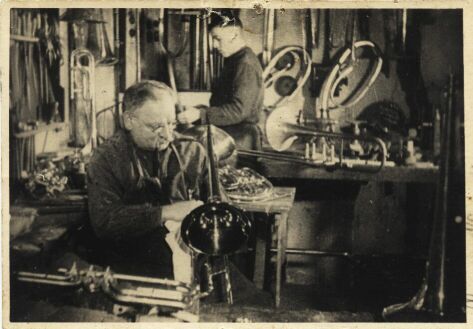
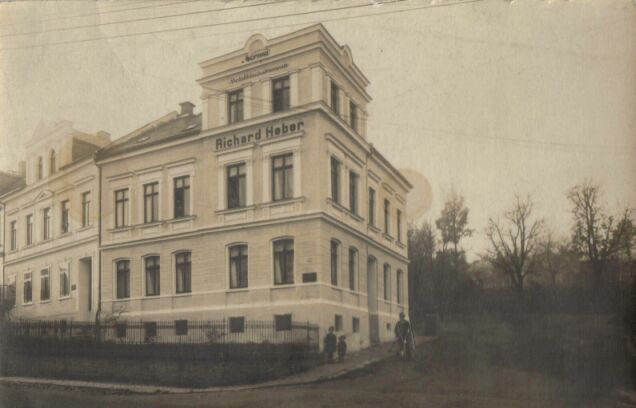
Richard Oskar Heber at work Schützenstrasse 36 Markneukirchen photo's copyright Ines Ann Heber
Roughly 100 Normaphons were built from approximately 1924/25 until 1930, and were distributed through wholesalers such as C.A. Wunderlich in Siebenbrunn, R.O. Adler, Johannes Adler and C.G Glier in Markneukirchen, Ammon Gläser in Erlbach and M. J. Kalashen in New York. The Gebrüder Schuster in Markneukirchen, 'Fabrik und Export von Musikinstrumenten und Saiten', from 1854, had the Normaphon in their Katalog Nr. 70, (ca. 1929). Normaphons were sent out to musical directors all over the world to promote the new instrument.
The Normaphon also had a D.R.G.M-registration from 26.02.1926, number 51c. 945 751, under the name 'Metallblasinstrument', on Richard Hebers name.
The C.G.Glier catalog from October 1926 states that patents are claimed both at home and abroad. There were four sizes of the instrument (specials possible), but most of them were build in tenor. Albert Rice explains that they were build not only with piston but also with rotary valves. The National Music Museum in Vermillion SD owns the only known rotary valve example. The soprano also had a version with an echo effect-valve, similar to the Jazzophon.
Initially, there also was a choice between high and low pitch.Max Adler from Erlbach offered in his catalogue number 25 also the English high pitch and the Normaphon in C and in F for the same price. Adler advertises the Normaphon as a solo instrument.
Remarkable: C.A. Wunderlich offered around 1928 also a soprano version of the Normaphon with an echo effect valve, a kind of Jazzophon in fact. The New Langwill Index states that C.A. Wunderlich held the Normaphon patent, that could be a misinterpretation or Wunderlich must have acquired it from Heber.
In or after 1931 Robert Oswald Adler still (and only) offered the sopran, alto and tenor Normaphon, as did Johannes Adler in his Liste 31. The 1934 C.A.Wunderlich catalog shows no Normaphons nor Jazzophons anymore.
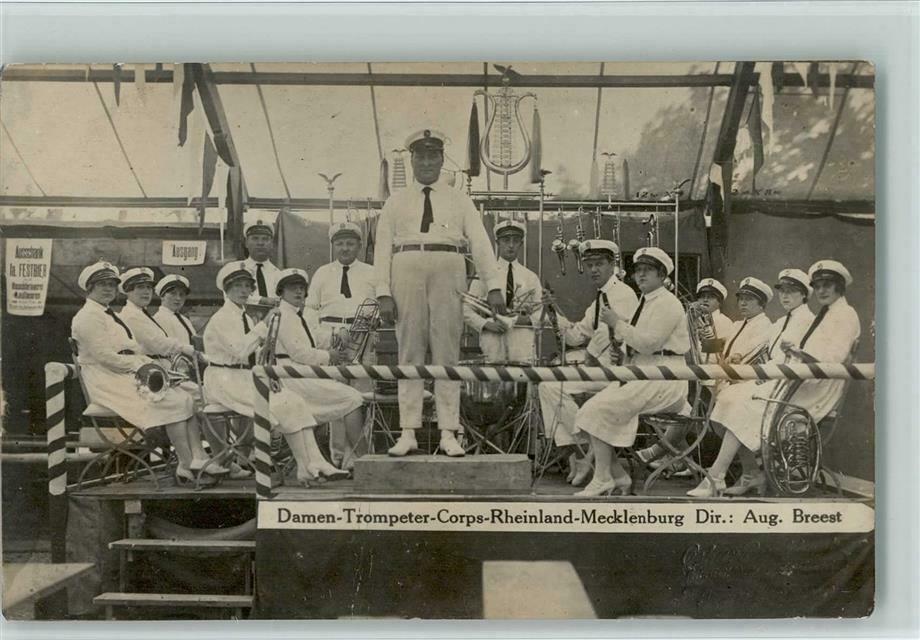
Heber advertised the Normaphon as very appropriate for 'Jazz-Band und sonstige Effekt-Kapellen'. There is an postcard with five ladies of the Damen Trompeter Corps Rheinland Mecklenburg all holding a Normaphon of different sizes. On another card of the same orchester the Normaphones can been seen hanging in the background.

In the German speaking countries of Europe in the 1890s through to
World War 1 there appeared a large number of “Damen Kapellen”, troupes
of entertainers: brass/wind ensembles, string “orchestras”, salon
“orchestras”, singing, dancing and theatre variety groups. These largely
consisted of women, usually led by a man, and occasionally including
males as players. These were professional groups and performed in
theatres, as part of larger variety and vaudeville programmes, also at
various concert venues in town and countryside.
Ensembles including brass instruments were particularly popular in some
environments – e.g. restaurants and outdoor events – where their music
could be heard over the background noise. These brass groups had their
origins in the military bands of the early 19th century which included
woodwind and brass instruments, the brass being increasingly dominant as
the instruments evolved, using piston valves and more efficient
manufacturing techniques.
The relatively low cost, ease of learning and playing of the brass
instruments, made them eminently suitable for the new women’s ensembles
(as also for the village and town bands). Indeed, many of these groups
maintained the links to the earlier bands by adopting costumes modelled
on military uniforms. Other costumes were based on traditional folklore
dress and more normal female attire of the day.
It was not until the 1890s that the numbers of women’s groups increased
significantly. Each city had at least one group resident or as part of a
touring company, in Dresden alone, there were up to ten Damen Kapellen
of various types regularly performing after 1900. They took advantage of
the economic prosperity around the turn of the century, the popularity
of theatres and vaudeville shows, the demand from large restaurants,
bars and exhibitions for entertainers, and the easing of the labour
market for women. Their engagements generally lasted from two weeks to
several months, depending on the venue and tour commitments of the
ensembles, moving on to the next town for their new contract, even
beyond the traditional German speaking countries.
An analysis by Dorothea Kaufmann from adverts in “Der Artist” (a German
version of “The Stage” or “Variety”) shows an increase in the numbers of
Damen Kapellen from 43 in 1894, peaking at 299 in 1913, then declining
sharply in the early 1920s, running around 30 or so until WW2. The
groups averaged seven to eight females and up to two or three males.
After WW1 the groups tended to reduce in numbers to three/four female
and perhaps one male on average.
The female brass ensembles were generally known as “Damen Blasorchester”
or “Damen Trompeterkorps” and consisted of a variety of
instrumentalists, almost exclusively brass (though some groups did
double up on stringed instruments, drums or handbells - for example). In
addition to their instrumental playing they would sometimes also sing
and dance and go through various costume changes as part of their
performances. Fanfare trumpets were a feature of some ensembles.
The music performed ranged from the popular tunes of the day, military
marches, and “salon music” to sophisticated arrangements of classical
and operatic works. These were written and transcribed by the members,
though perhaps more usually by the male “Director” of the ensemble.
|
||||
Normaphon with rotary valves, serial number 0200, coll. NMM
The National Music Museum of the University of South Dakota has a soprano and two tenor Normaphons, one of them having rotary valves. This last one (serial number 0200), the only example with the usual Normaphon D.R.G.M. Germany engraving with rotary valves known so far, has no distributor name engraved.
Pieter Aafjes, from 1907 - 1947 musical director of Crescendo, a concert band in Culemborg, the Netherlands, obtained an alto Normaphon from C.A. Wunderlich with serial number 0104, to give it a try. Through Riet van Dillen, the daughter of his successor Jac van Dillen, it came in my possession.
|
|
|
|
|
Alto Normaphon in Eb, originally nickel plated, serial number 0104. On the bell: C.A. Wunderlich Siebenbrunn Vogtl. coll. Gerard Westerhof
Normaphones can be found amongst others at the Edinburgh University Collection of Historic Musical Instruments, the MIM in Phoenix, the Museum of Musical Instruments of the Leipzig University, the HJM Brass Collection in Turku, Finland and the Trompetenmuseum in Bad Säckingen (that has a tenor from Schuster & Co.).
In 1956 Karl Linsenmeijer, then 16 years old, entered the Musikverein Offnadingen (a small village near Freiburg, Germany) and played an alto Normaphon untill he changed to clarinet in 1965. He played it together with Karl Schleer, who changed to flugelhorn. The Musikverein had severe losses during WWII, having only 5 active members left in 1945. The Normaphon was bought because at the time the money was very tight and sometimes even two musicians had only one instrument, so Jürgen Schleer, now chairman and son of Karl. Where it was bought is not known, after 1965 it went to a music store. In the orchestra the Normaphon was counted as a flugelhorn, the notes were always rewritten by the conductor, mostly from the tenor horn. "The exotic Normaphon has always been a highlight and an eye-catcher at every party and every performance', says Jürgen.
In 1957 Nat King Cole performed 'Rosetta' in one of his shows together with Billy Eckstine (8 July 1914 – 8 March 1993), Eckstine playing a tenor Normaphone (from 2.12").
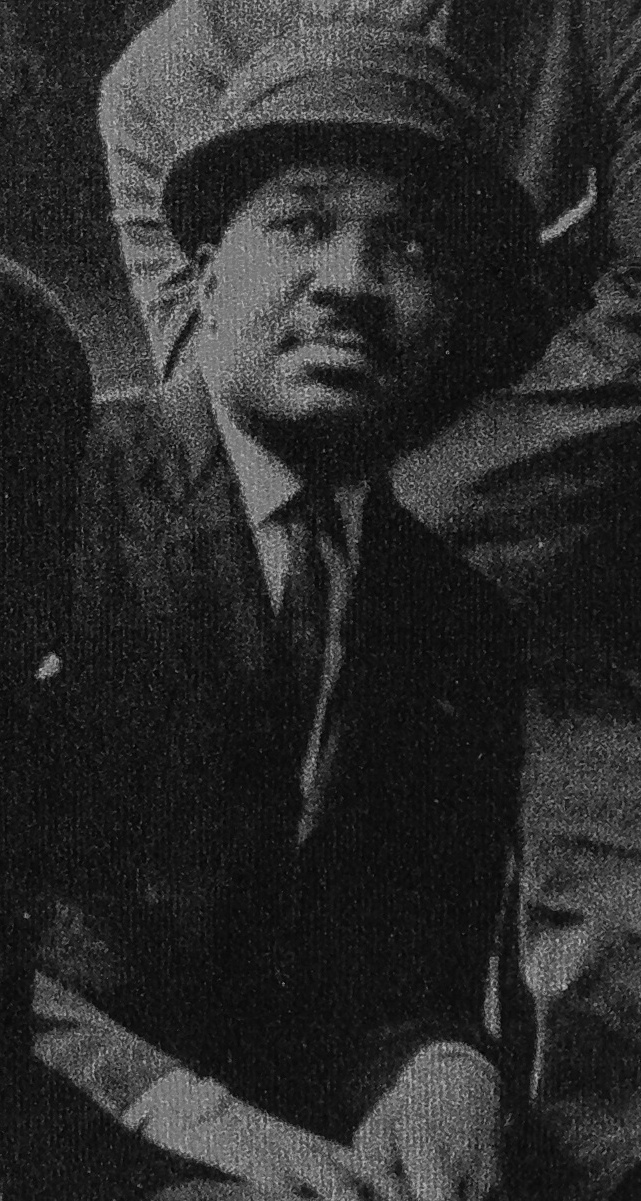 William 'Hicky'
Kelley
William 'Hicky'
Kelley
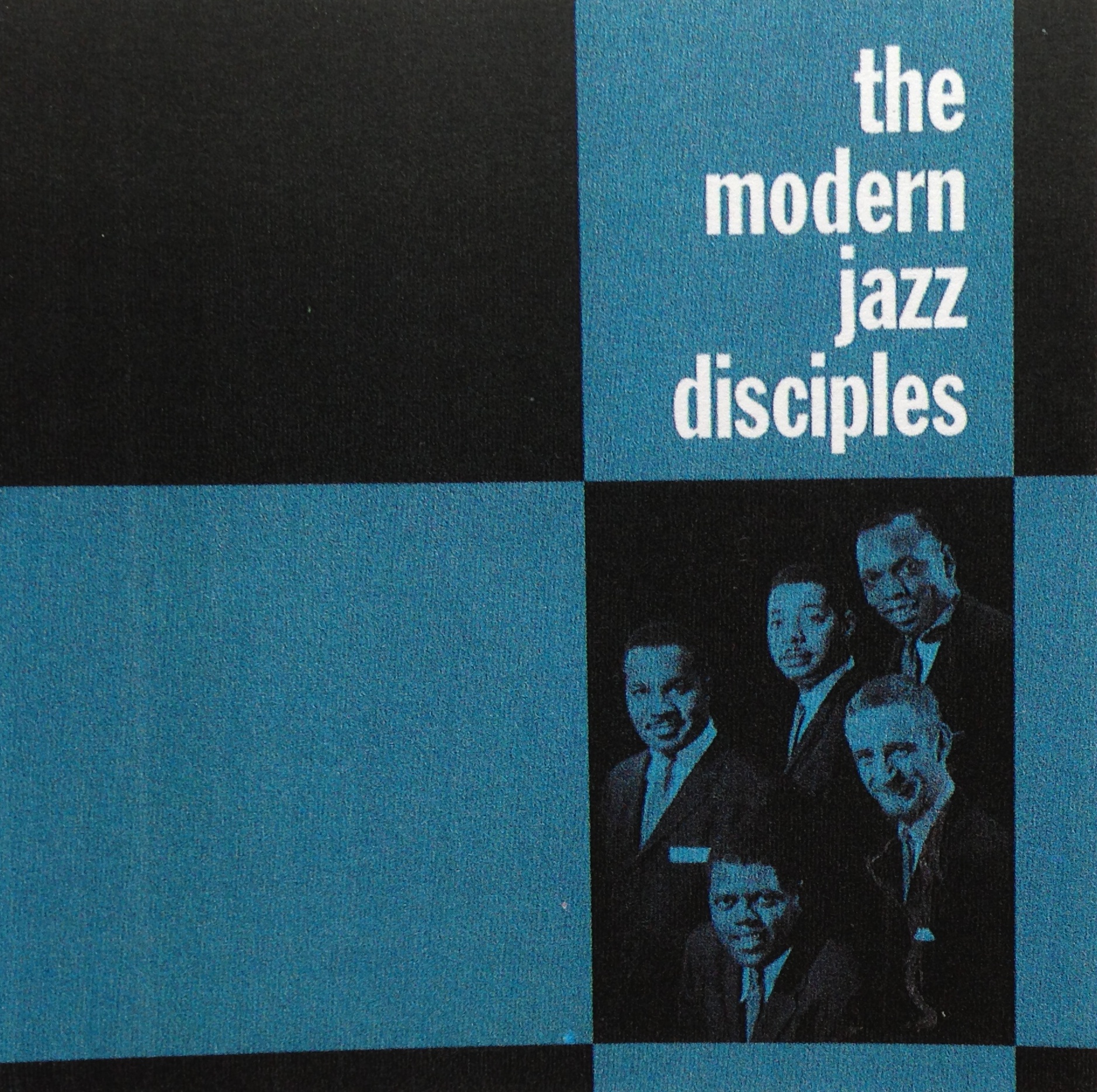 MJD, left: William Kelley
William 'Hicky' Kelley played a Normaphone (probably an alto) in 1959 and 1960 with the Modern Jazz Disciples on two records, 'The modern jazz disciples' and 'right down front'. Kelley (March 12, 1929 Cincinnati - May 9, 1998 Cincinnati) started his musical career on the trumpet and later picked up the Normaphone. The notes to the original first album of the Modern Jazz Disciples state that Kelley would like it made clear that that his use of the Normaphon (and the euphonium on one track) is "not one of novelty. He is dedicated to their use as jazz pieces. He has no desire to become an 'avant-courier' for them in the field of jazz." Here's Kelley on the Normaphone in Disciples Blues (as of 4.50") (and here's more about this piece).
Multi instrumentalist Scott Robinson from Teaneck, New Jersey, played a tenor Normaphon on his first LP Multiple Instruments from 1984 and in later years with Hazmat Modine on their CD Bahamut.
And yet another multi instrumentalist, Eric Budd from Melbourne, Australia showing his tenor Normaphon (serial number 0164).
Tom Guralnick has a tenor Normaphon (serial number 0238) that he got from Bob Klein in New York around 2001. Bob's father played in the NY Philharmonic and taught in a community music school where he discovered it some 50 years ago when he closed down the music school, and Bob gave it to Tom some 15 years ago. Tom is the director at Outpost, Albuquerque, and occasionally shows the instrument to guest musicians. 'Rosewell Rudd dug it". Here's jazz trumpeter Bobby Bradford (1934) trying, with Tom looking.
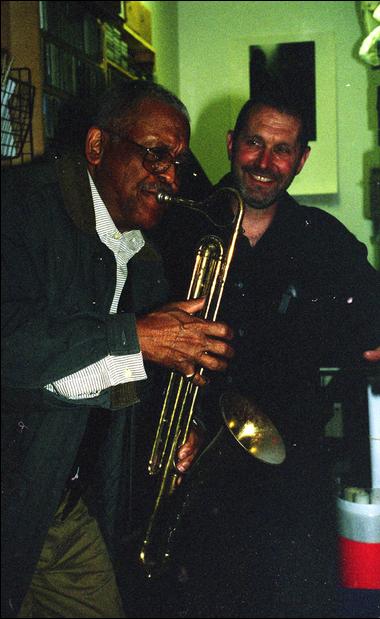
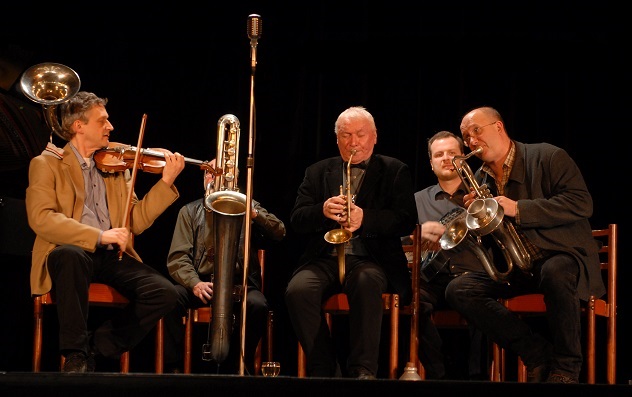
Bob Zajíček Kvintet Soprano Normaphon coll. B.Zajíček
Legendary Prague trumpeter and cornettist Luboš 'Bob Zajíček (6-10-1938) and his quintet performed on December 18th, 2013 at ...., with Bob (center) on a soprano Normaphone, ... on Violinophone and .. on a Jazzophone, probably pitched in Eb. Bob Zajíček also hosts a programm called JAZZOFON on radio station Vltava. Zajíček and his friends, playing what's now called traditional jazz, are keeping alive a tradition of which the Jazzophon is the ultimate icon.
Normaphons, overview
0104 0109 0117 150 0187 0200 0238 0240 0260 0267 0306 0315 0344 350 362 0390 0441 1 2 3 4 5 6
nr 0104 alto Normaphon D.R.G.M. C.A.Wunderlich Siebenbrunn Vgtl.
valve casings stamped 28,29,30 coll. Gerard Westerhof, Netherlands
0109 tenor Normaphon D.R.G.M Trade Mark/Fabrik Marke coll. Gigion Erino @ern_brass Yogyakarta
Indonesia
nr 0117 soprano Normaphon D.R.G.M. Germany valve casings and caps stamped
10, 11 and 12. coll. NMM 7350 Joe R. and Joella F. Utley Collection, 1999
Vermillion South Dakota US US
nr 150 alto Normaphon, coll. Scott Robinson, Teaneck New
Jersey, US
nr 0164 tenor Normaphon coll. Eric Budd, Melbourne Australia
nr 0187 tenor Normaphon D.R.G.M. D.R. Patent Germany valve casings stamped
10,11,12, offered on Ebay 2017
nr 0196 tenor Normaphon D.R.G.M. C.A.Wunderlich Siebenbrunn Vgtl. coll. Museum für
Musikinstrumente der Universität Leipzig
nr 0200 tenor Normaphon D.R.G.M. Germany rotary valves coll. NMM 1526,
Vermillion South Dakota US
nr 0238 tenor Normaphon coll. Tom Guralnick Albuquerque US
nr 0240 soprano Normaphon D.R.G.M. D.R. Patent, valve casings stamped
1,2,3, for sale on Ebay.be 2018
nr 0260 tenor Normaphon D.R.G.M. Germany
8188/M. J. KALASHEN/NEW YORK, valves and valve caps stamped: 16, 17, 18, coll. NMM
1525, Vermillion South Dakota US, acquired in 1977, on display at Meredith Willson Museum, Mason City, Iowa
US
nr 0267 tenor Normaphon D.R.G.M. Germany 39819 sold through Ebay 2015
nr 0306 tenor Normaphon D.R.G.M. C.A.Wunderlich Siebenbrunn Vgtl. sold
through Ebay.de 2014
nr 0315 tenor Normaphon D.R.G.M. coll. Edinburgh University, UK
nr 0344 alto Normaphon, D.R.G.M. acquired in 2010, coll. Han Savelkoel,
Netherlands
nr 350 tenor Normaphon, coll. Scott Robinson,
Teaneck New Jersey, US
nr 362 tenor Normaphon, D.R.G.M, sold through Auktionshaus Mehlis 2018
nr 0390 soprano Normaphon D.R.G.M. acquired in 2017 by Dirk Arzig GE
nr 0441 alto Normaphon coll. Heikki Moisio Turku, Finland
1. tenor Normaphon D.R.G.M. coll. MIM, Phoenix US, (until 2011 Fiske Museum, Claremont,
US)
(Albert Rice speaks of an alto, D.R.G.M./GERMANY"—sold by C.A. Wunderlich)
2.
tenor Normaphon, D.R.G.M. Germany, restauration with new mouthpipe in 2012 by Robb Stewart, coll. Rick
Schwartz, Virginia US
3. soprano Normaphon D.R.G.M. Germany sold in 1998 through Butterfield & Butterfield
(maybe same as 0117)
alto
4. tenor Normaphon, D.R.G.M. C.A.Wunderlich Siebenbrunn, Vgtl, offered from
Sintra, Portugal through Olx.pt 2016
5 tenor Normaphon C.A.Wunderlich Siebenbrunn, Vgtl, coll. Musik-Museums Basel
6 bell of a sopran Normaphon D.R.G.M. diameter 11 cm, sold through Ebay.de in
2017

.JPG)

.jpg)
.jpg)
.JPG)





|
|
|
||
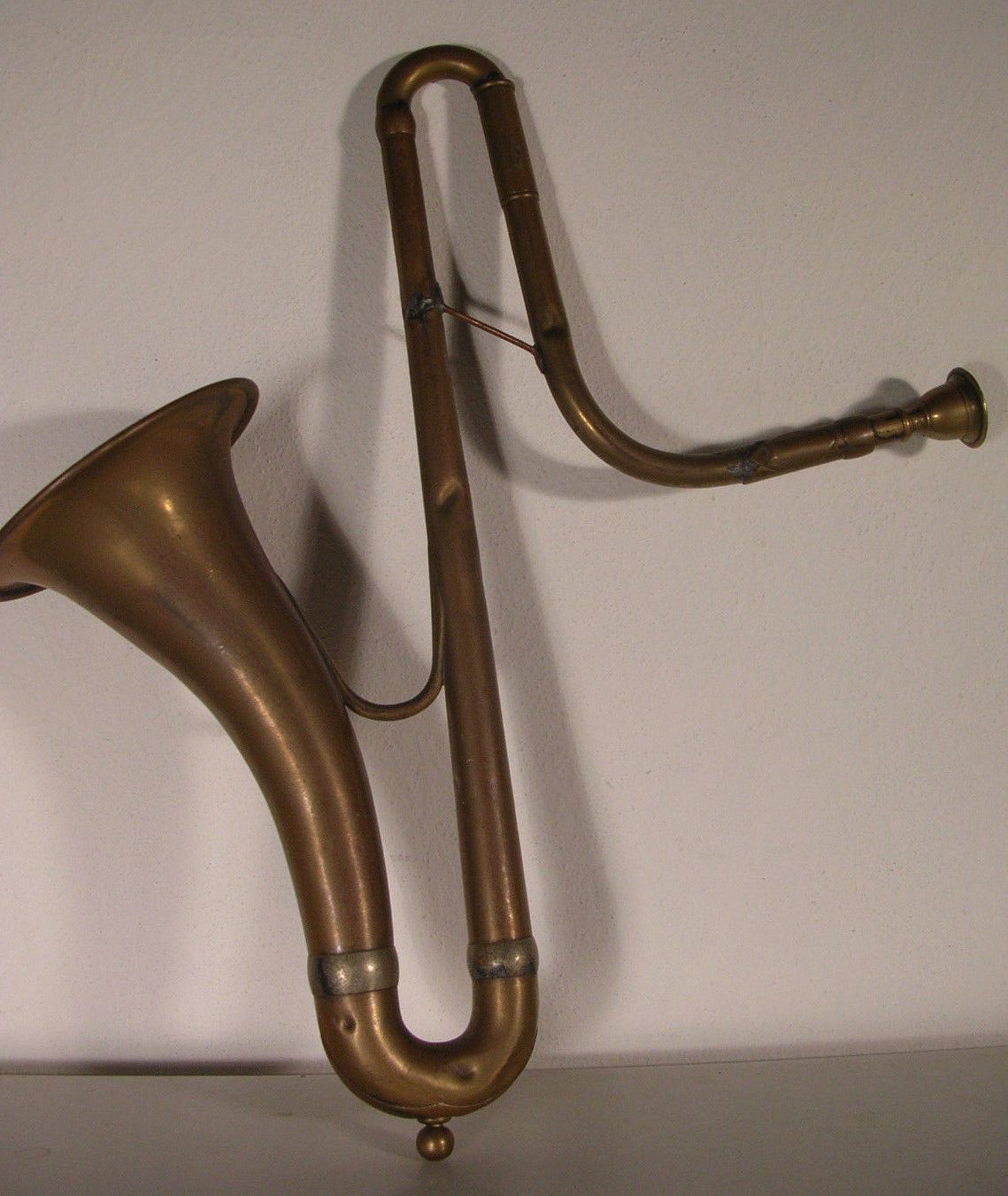
Normaphone in Bb, coll. Musikinstrumenten Museum Markneukirchen
Leopold Renz, Instrumentenmacher, Berlin, N58 Gaudystr.14, made this tenor instrument, with a total length of 277 cm. Günter Dullat, who used it for the cover of his book Blasinstrumente names it also a Normaphone and states that the Normaphone (this Normaphon?) in the nineteen twenties was developed by Robert Schopper (1859-1938) in Leipzig. Renz worked as an instrument maker from 19196 onwards, and from 1927 under his own name.
1 The
Jazzophon 2 Background of the Jazzophon 3 Other sax shaped trumpets 4 Other double-bell trumpets 5 Other sax shaped instruments 6 Sources, links and contactThe end of the Jazzophone
In the 1930s jazz in Germany began to see its downturn. Despite the liberal attitudes of the Weimar democracy, the public and private sentiment toward blacks, including African Americans, was an ambivalent. In 1932, all the conservative musicians and critics were denigrating jazz as a product of 'nigger' culture, which provided the government the fodder to forbid hiring of colored musicians. One critic even went so far as to call jazz a mere 'nigger noise', having only one purpose: "to introduce obscenities into society."
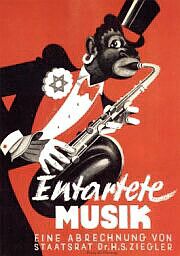
For the Nazis, jazz was a threatening form of expression and the saxophone was jazz. The Nazi regime pursued and banned the broadcasting of jazz on German radio, partly because of its African roots and because many of the active jazz musicians were of Jewish origin; and partly due to the music's certain themes of individuality and freedom. The jazz studies in Frankfurt were closed by the Nazis in 1933. Joseph Goebbels, the Reich Minister of Public Enlightenment and Propaganda, had hoped to convince and persuade the public via anti-jazz propaganda before 1935, rather than prohibit jazz. However, jazz was officially banned in 1935. In 1935, the Nazi government did not allow German musicians of Jewish origin to perform any longer. Listening to foreign stations, which regularly played jazz, was penalized from 1939 on.
Poster for an Exhibition in Dusseldorf, 1938
The saxophone - so strongly associated with jazz - was seen in Germany as the anti-German instrument, proposes Günther Dullat in his book on nearly forgotten wind instruments. Although that didn't imply that saxophone production in Germany came to an end. In 1938/1939 C.A. Wunderlich still sold saxophones, engraved with with a swastika and an eagle, used by the German Luftwaffe. And in 1939 Ernst Hess Nachf. from Klingenthal offers on the last page of his
catalog offers a Saxie, a little saxophone-like instrument, because "how often do small village bands not like having a saxophone". In the same catalog Hess proudly announces their making the new Herms-Niels fanfares with which the glory of Hitler was praised at the Reichsparteitag in 1938.Eventually though, not many Jazzophons and Normaphons were built. Despite the beautiful names they were a failure, and soon they disappeared from the market, to become a collector's item, stated collector Ernst W. Buser. Some 25 Jazzophons are known to be extant.
It's not sure however, whether the declining appreciation of jazz in Germany was the reason, or the only reason, for Jazzophons not becoming a big hit. It seems likely that the failure of the Jazzophon has more to do with a mismatch between supply and demand, even before the Nazis came to power. "It May Look Like a Musical Instrument, but It's Really an Edsel," wrote the New York Times in 2005, in an article in which the Jazzophon figured among other musical instruments that were unsuccessful. The Edsel is the Ford Edsel, in the late fifties the example of a commercial failure. And then there was the global crisis of the late twenties, which gave saxophone sales worldwide a major blow. From 1929 to 1932 exportsales of the German musical instrument business decreased from 100,52 to 22,66 millions of Reichsmarks, less than a quarter of the Golden Twenties. And in the end, they were a little difficult to play as well. The form is unfavorable for the trumpet embouchure, and, as Heribert Schröder states, simply using a mute might be cheaper and more appealing to the audience then buying a newly designed trumpet.
1 The
Jazzophon 2 Background of the Jazzophon 3 Other sax shaped trumpets 4 Other double-bell trumpets 5 Other sax shaped instruments 6 Sources, links and contactKlingenthal
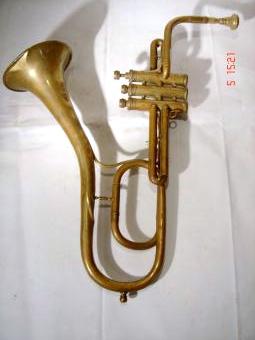
Sax shaped trumpet, maker unknown
Julius Rudolph, Gotha
|
|
|
|
|
1: rotary valve trumpet Julius Rudolph, source: brasstacks.de 2-5: coll. Diether Grosche, Düsseldorf, Germany
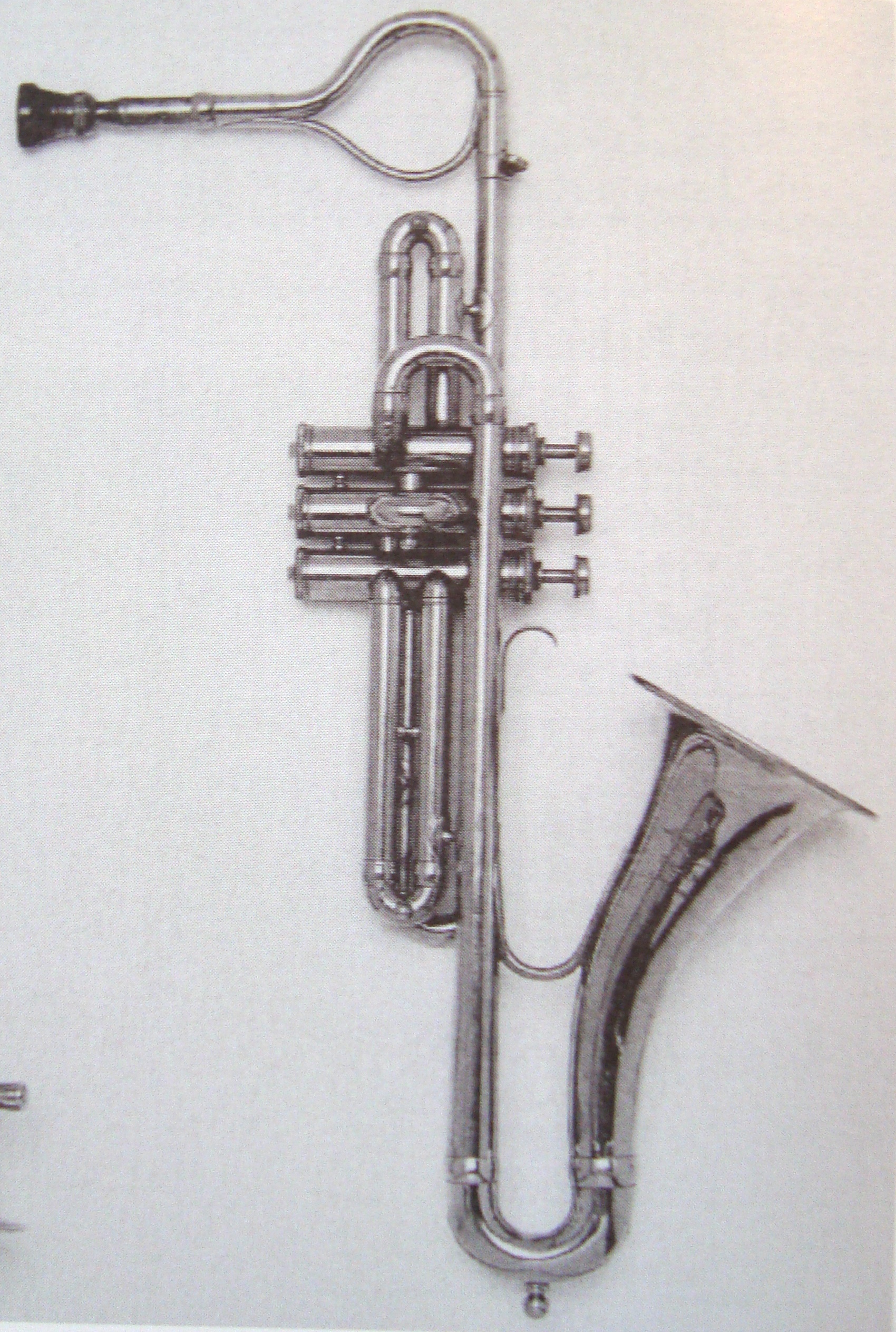
Above left a sax shaped trumpet with rotary valves. Made by Julius Rudolph in Gotha, Germany, as the engraving says. Probably in the thirties, wenn Gotthard Rudolph was leading the firm.The picture was provided by Johannes Keilwerth who since 1977 operates the workshop. The four pictures to the right are from a similar instrument in the collection of Dieter Grosche, Düsseldorf. No makers name but striking similarities...
|
|
|
|
|
And another pretty similar instrument, sold through Auktionshaus Mehlis, branded trompetophon by them and dated 'possibly 1930's.'Again no makers name, but a kind of lyra sign connecting the tube.
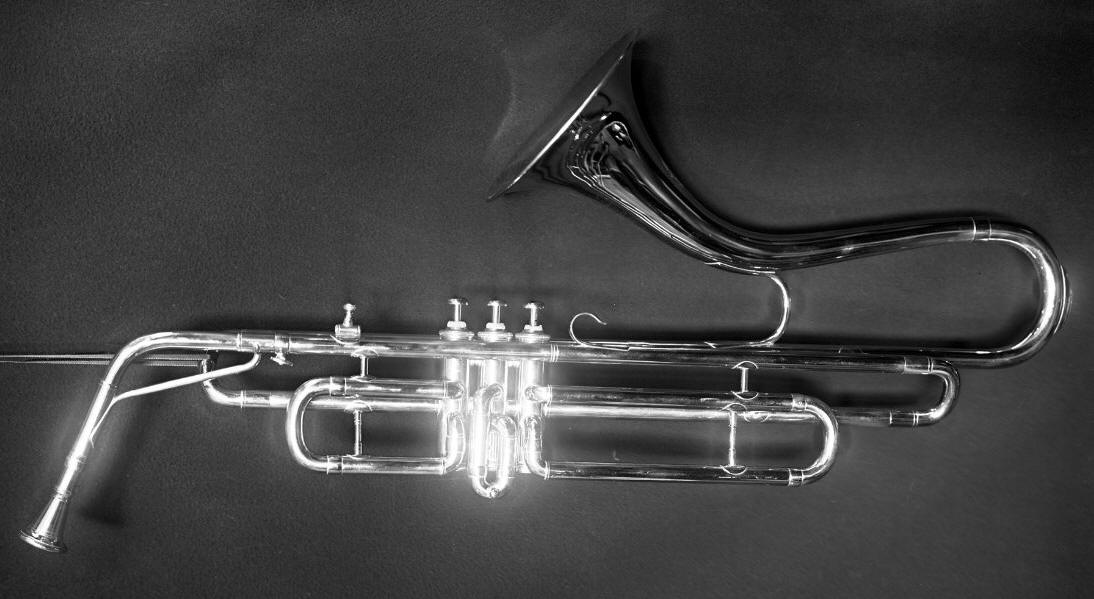
Another instrument made by the Rudolph workshop in the 50's or 60's, when it was led by Raimund Thoma. Seems to be alt or tenor trombone rather than a trumpet.
Francesco Spada has a sax shaped trumpet with top action rotary valves in his Collezione Spada. The rotary valves are different from all other known top action rotary valve trumpets. And they differ from the above mentioned rotary Normaphones.
 coll. Trompetenmuseum Bad Säckingen
The Trompetenmuseum in Bad Säckingen has another sax-shaped trumpet with 'American style' rotary valves. Their catalog says: "Anonymous. Germany, late 20's or 30's. Related to, but not identical to the Normaphon.'
And the Museum of Army Music near London has a similar one (missing the mouthpipe).
The Trompetenmuseum also has a sax-shaped trumpet in low-F (with A=461), from Germany or Austria, around 1925:
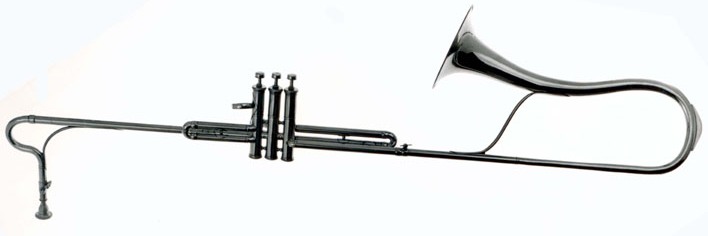 valve
casings numbered 13, 14, 15. coll:
Trompetenmuseum
valve
casings numbered 13, 14, 15. coll:
Trompetenmuseum
Keilwerth
|
|
|
||
Keilwerth Toneking 3000 serialnumber 27963, coll. Jim Glass.
Between 1982 and 1986 instrument maker Julius Keilwerth in Nauheim (Germany) build a sax shaped trumpet with one bell, named Toneking 3000. Keilwerth originally worked in Graslitz but moved after the war to Germany. This trumpet was devised by Gerhard Julius Keilwerth, grandson of Julius. He states that there were build no more than 100. Jim Glass bought one from Matt Stoecker.
It pops up on Ebay every now and then. There's one in the collection of the Trompetenmuseum in Bad Säckingen, serial number 312600. And the Musik-Museums in Basel (Switzerland) also owns one.Gary Anderson performed in February 2010 on the Keilwerth Toneking 3000 (from 2.16"). He said the lead pipe comes at an angle that makes pressing it to the lips a challenge.
DEG
|
|
|
|
|
In the 1980's DEG also build a sax trumpet. Aurelia Hartenberger owns one. DEG was started in 1965 in Lake Geneva, Wisconsin USA, by Donald E. Getzen after he split from the Getzen company in Elkhorn. Few were sold through Ebay in recent years, but I guess the total number differs not much from that of the Keilwerths. They have a bell that's detachable to 'free' the pistons.
In 1994 trumpeter Nargo apparently played on a DEG-trumpet with the Tokyo Ska Paradise Orchestra in Gold Rush, live at NHK TV (from 0.40' and from 2.29')
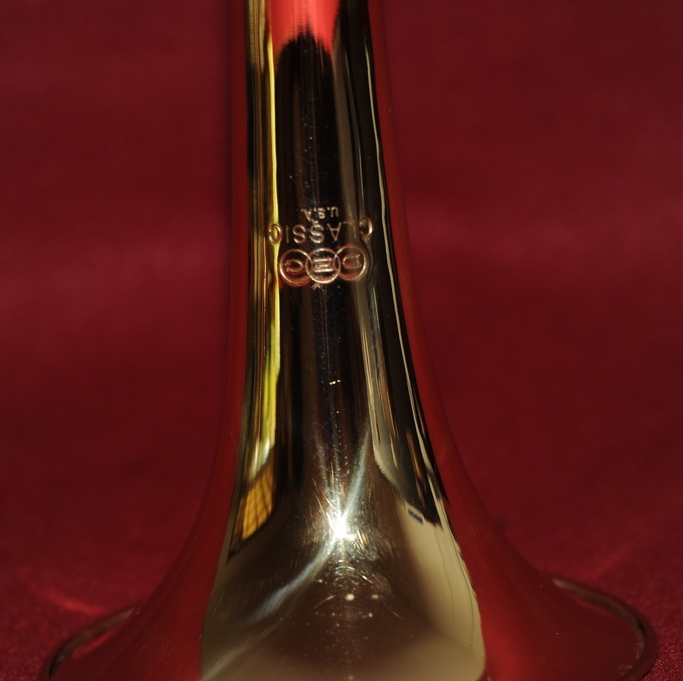
Steve Dillard (Horntrader.com) shows a DEG Classic in this Youtube movie. It has serial number C2255 and was sold to England in 2016.
Lienbacher
|
|
|||
Lienbacher saxopete, coll. James B. Degnan, La Crosse Wisconsin, US
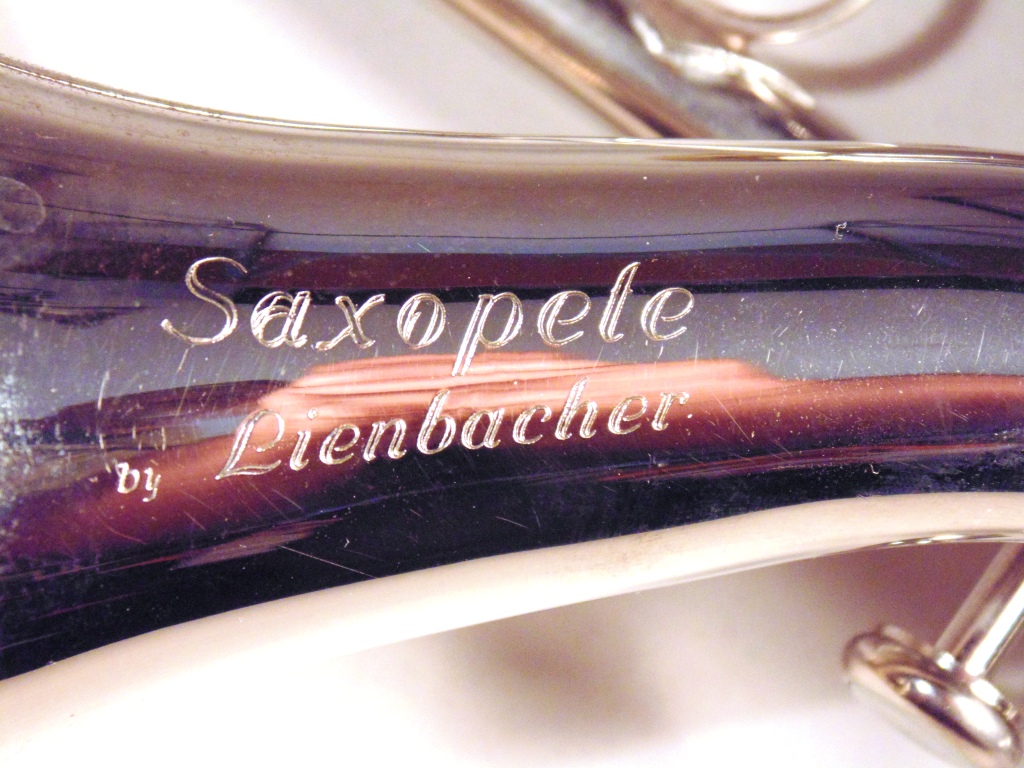
A Lienbacher saxopete, might have been made by Toni Lienbacher from Berchtesgaden (Germany), somewhere before 1999. Probably a one off. It's nickelplated. A hook and a ring were added by it's owner James B. Degnan to get better control.
Andy Taylor and Eddie Veit

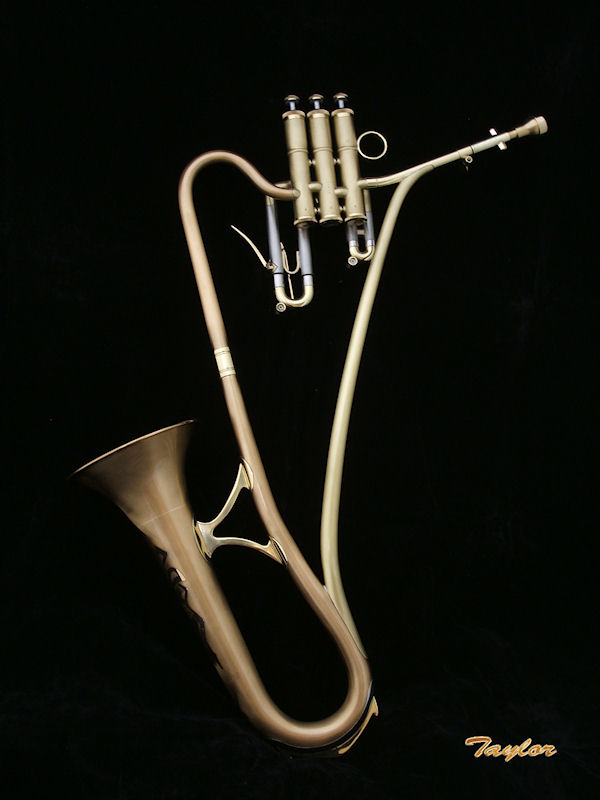

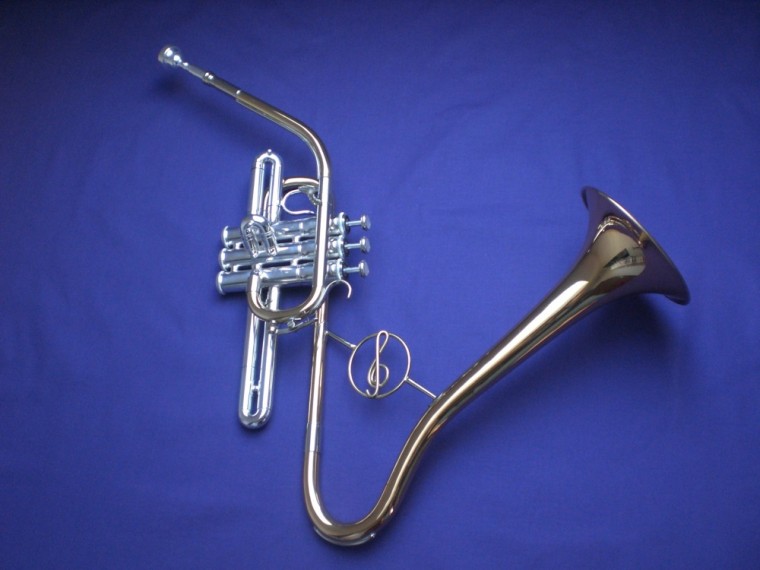
Jazzophone from Andy Taylor Flugelbased sax shaped trumpet from Taylor Sax shaped trumpet from Eddie Veit Trumpet from Peter Rieblinger
British manufacturer of instruments Andy Taylor build another sax shaped trumpet, called Jazzophone. "
We built this example because it hadn't been done for years and was a lot of fun. It was primarily used at exhibitions as a conversation piece." Taylor also build a flugel based instrument. 'There was never any commercial intent with them at all', he says. 'The flugel based one was far easier to play due to being able to control how you held it against the chops.'German instrumentmaker Eddie Veit made a sax shaped trumpet as did Peter Rieblinger from Tandern.
Jupiter
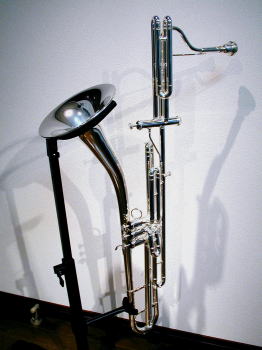
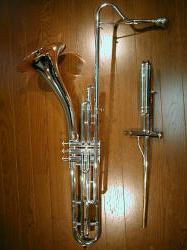
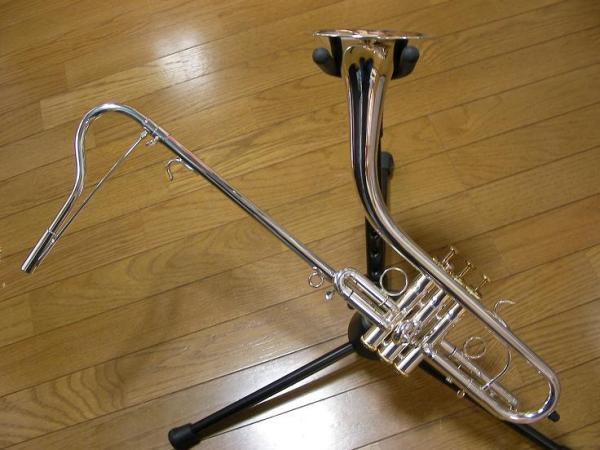
In the nineteens Jupiter in Taiwan built the Excite. Trumpet version R77L and a trombone in F with an additional valve, the VL33L.
Hub van Laar
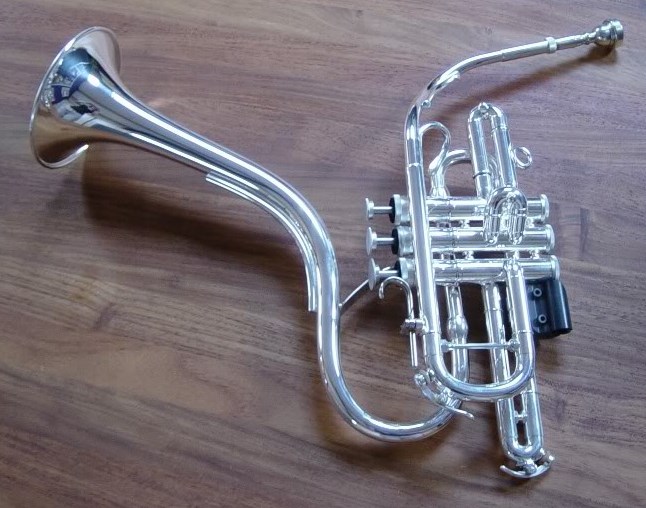
Brass wind instrument maker Hub van Laar from Margraten is credited for making this one. It was made around 2003-2004, for a girl that couldn't use her right hand due to a muscle disease. With a trumpet sling she was able to play this instrument. Ditske de Lange at the Technical University Twente in 2004 dedicated her thesis on this subject.
Brassmusic Repair and Modify
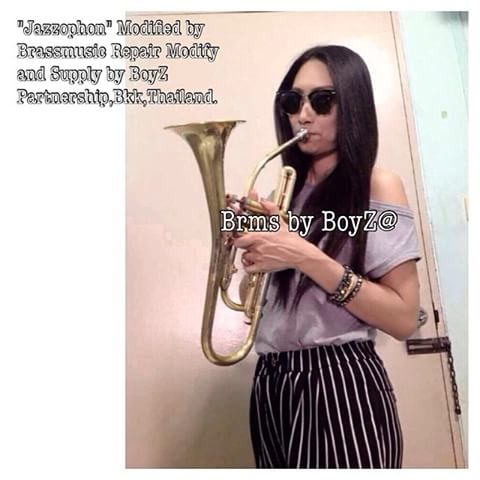
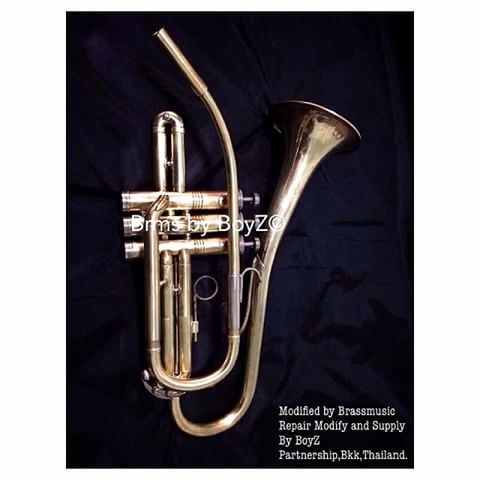
In 2014 this 'Jazzophon' was made by Brassmusic Repair, Modify and Supply Bangkok, Thailand modified this instrument. In October 2016 he dedicated it to the late King Bhumibol.
Gábor Komlóssy,
In 2016 trumpeter Gábor Komlóssy from Budapest made a sax shaped trumpet that he offered to trumpet legend Arturo Sandoval and named the 'Sandophone'.Sandoval appreciated the gift and stated that the instrument gave him other ideas while playing.
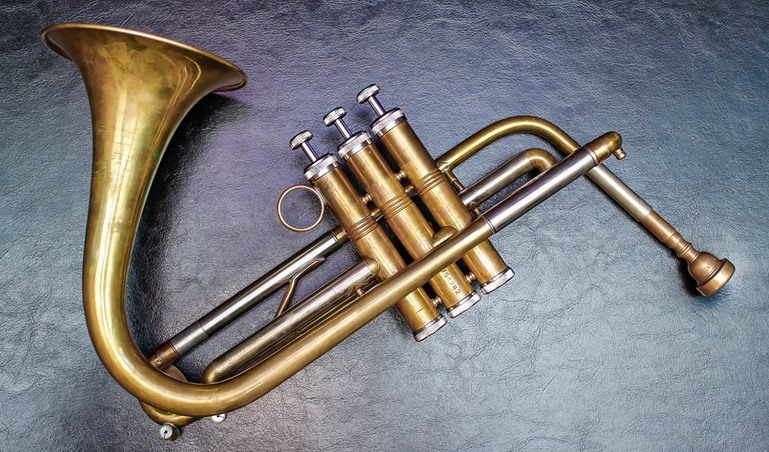
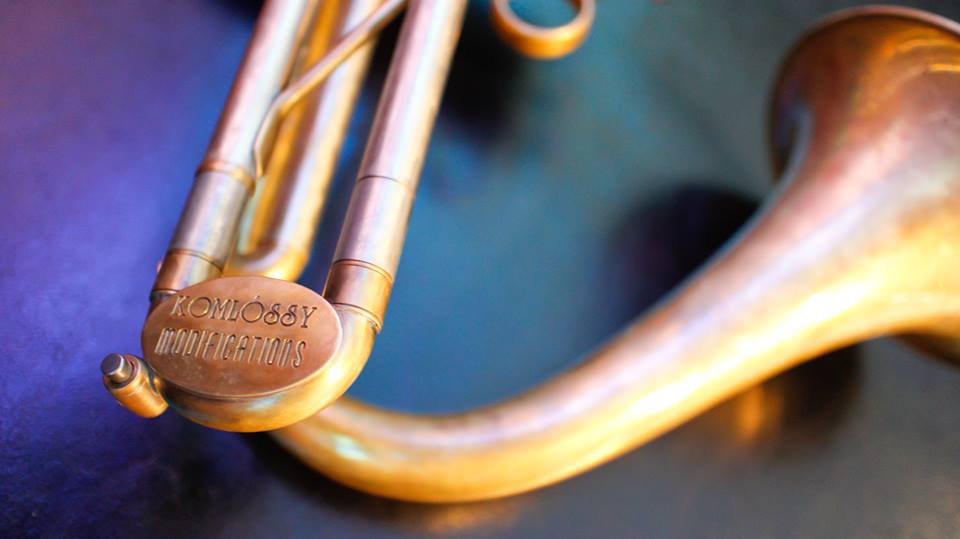
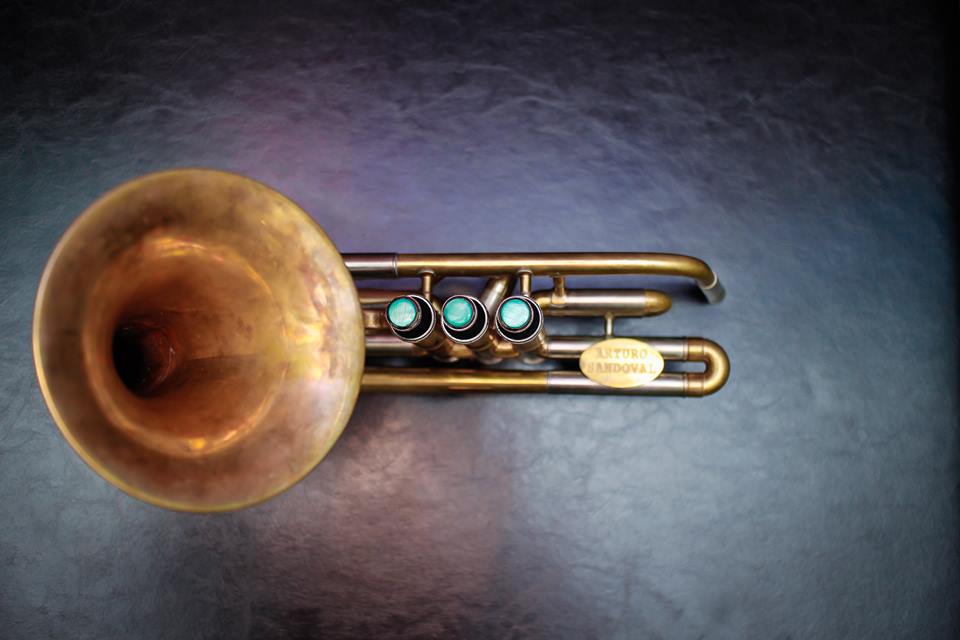 source:
facebook.com/jazzophone.net/
source:
facebook.com/jazzophone.net/
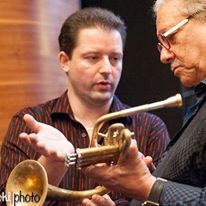
Gábor Komlóssy (l) and Arturo Sandoval Sandoval plays his new jazzophone and comments on it
Del Quadro
Mike Del Quadro from Del Quadro Custom Trumpets in Las Vegas made this normaphone in 2018 for a guy called Timothy Bender, so he named it a Bender-phone. Electroformed copper bell and Getzen valve section. "The shape forces me to use less lip pressure, so maybe it will improve my technique", Timothy is hoping...
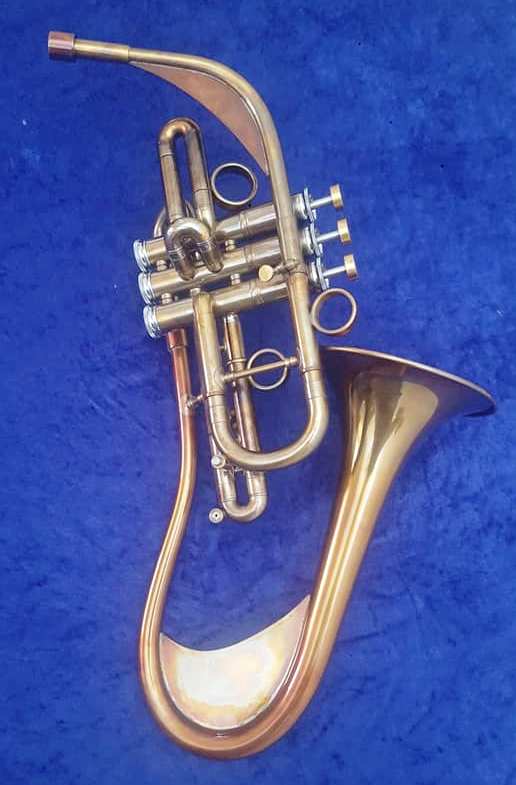 source: Facebook 2018
Project horns
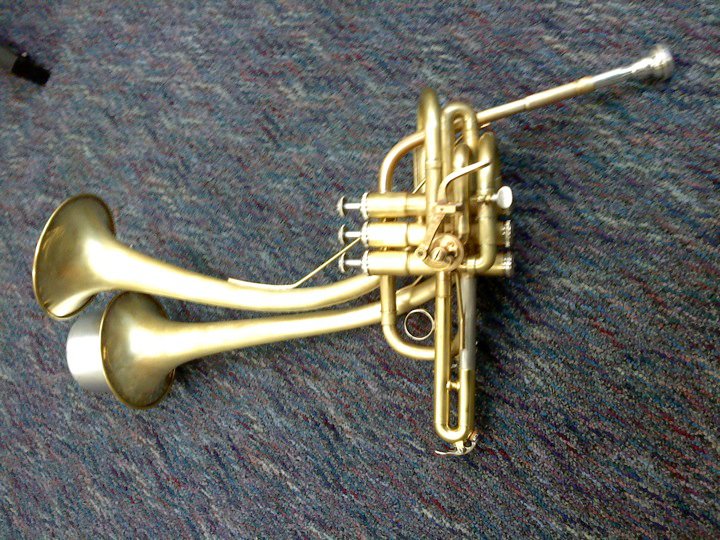
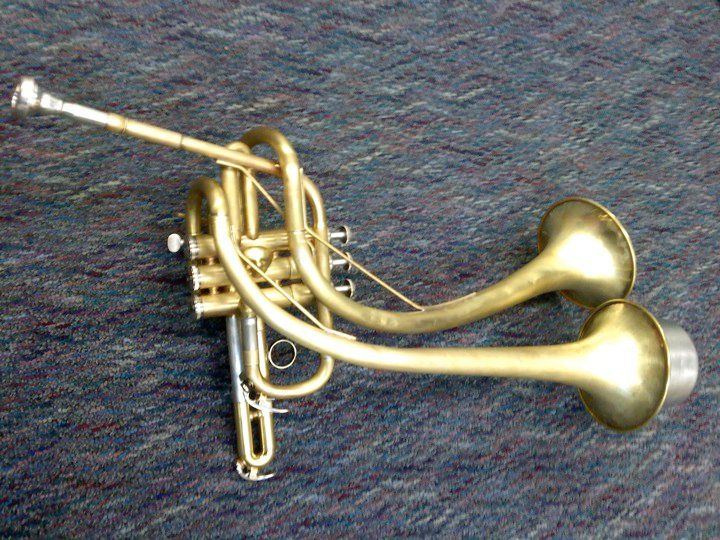
Sean Mason from Factoryville, Pennsylvania, made this double belled, trigger action, saxophone shaped trumpet as his final project at Renton technical college. It was made out of Yamaha trumpet parts and the rotor off of a G bugle. One of the bells is a tuning bell to make sure the bells play in tune with each other. It is currently on display in the band instrument repair classroom at Renton tech. Here Sean demonstrates it.
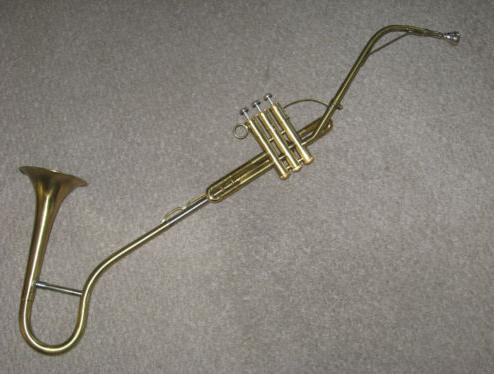
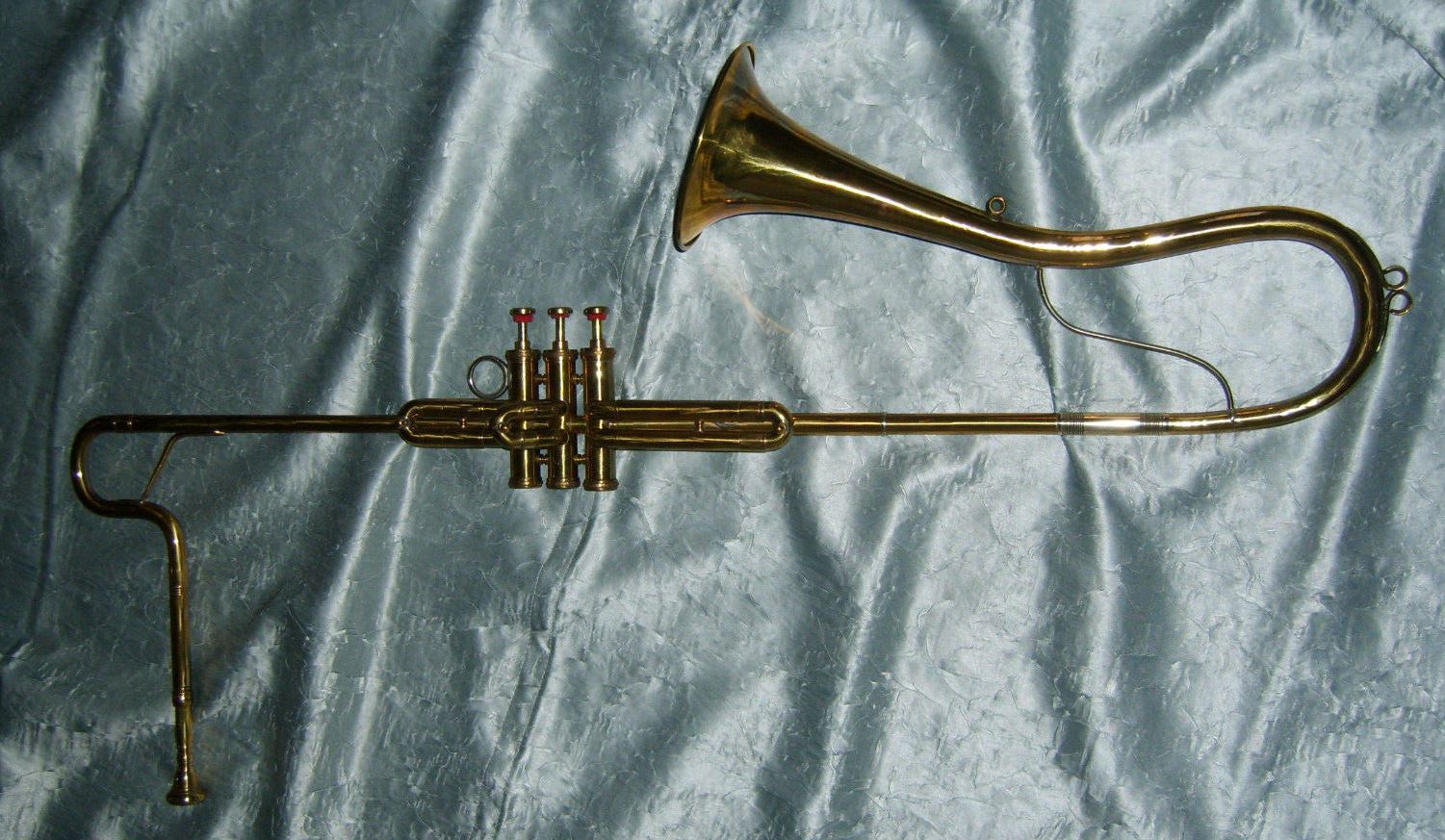
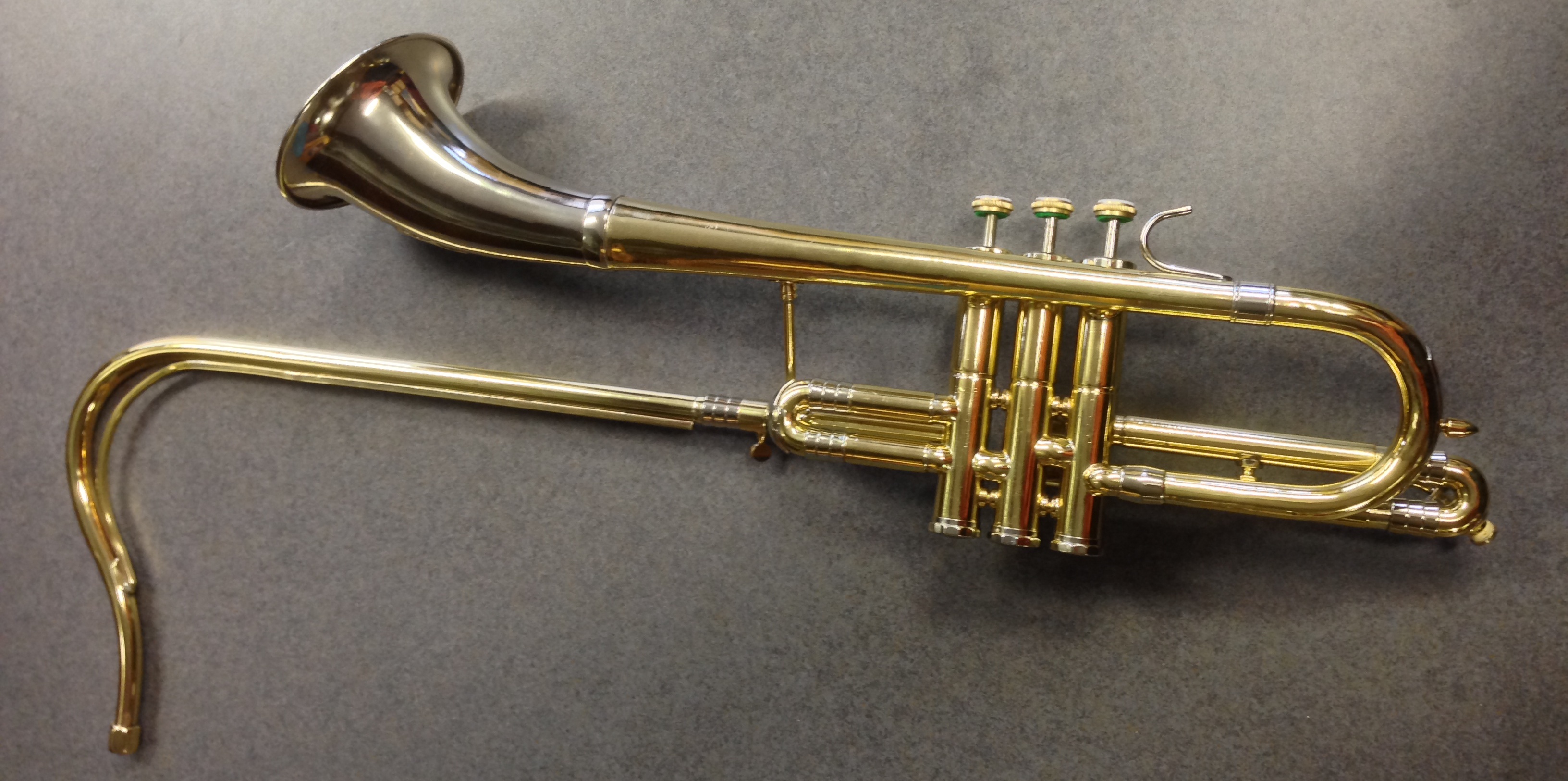
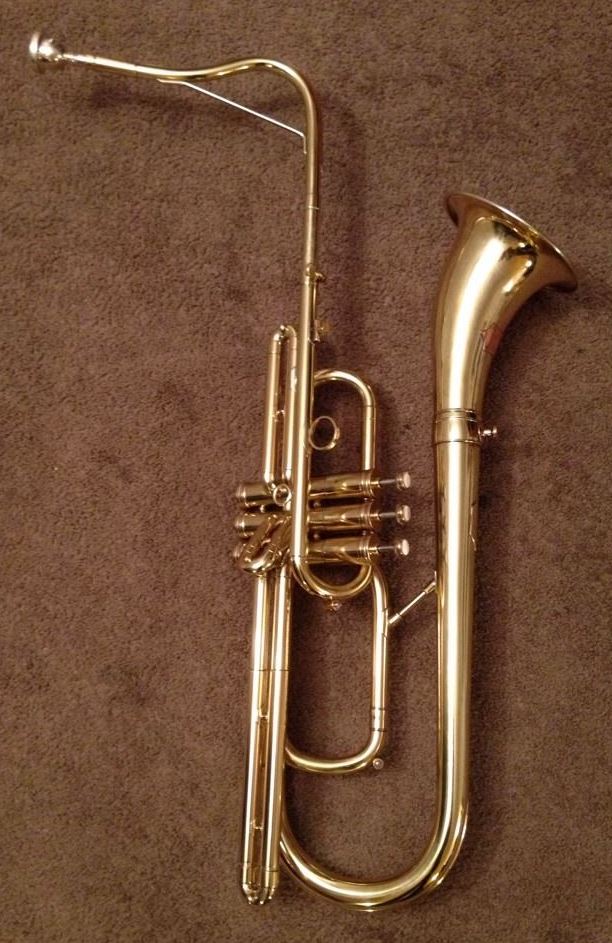
Left: a saxy trumpet build in 2010 by Doug Teeter from Fresno, California, early Bundy valves and bell, bore size .460, with left hand brace to get sufficient mouthpiece pressure, for sale on Ebay, October 2011. Right: a sax shaped trumpet sold on Ebay in 2014, the only information being that it has been part of an exhibition for 20 years. The small rings suggest that is was made with parts of a German 'fanfare'.
 J.c. Sherman tenor Normaphone, Ebay sale 2014
This instrument was built by J.c. Sherman from Bedford Ohio, about 2008. Much of the the chassis is from a Getzen trumpet. The bell flare is from an Alto Clarinet. The entire leadpipe is a custom piece. The instrument plays best with an English style cornet mouthpiece. J.c. Sherman plays it here.
J.c.Sherman also made a Bb Tenor Normaphone. It uses an euphonium or trombone mouthpiece with a small shank. The bore is .562. This instrument was built in 2014 and uses parts from various instruments. The lead pipe is custom-made and there are several other new parts involved. The bell is from a bass clarinet and retains the silverplate inside. The instrument is gold lacquered. The neck is the primary tuning adjustment; there is an additional main tuning slide for minor adjustments. Sherman plays it here.
 source Ebay 2014
A sax shaped trumpet sold by Heijo2 from Sipplingen, Germany. No makers name, no other infromation than that it was used in 'Guggenmusik' for years.
Silver and Brass Music in Carson City, Nevada built this custom made Jazzophone. Parts come from different sources, the valve cluster was from an Olds Ambassador sr.nr. 25557 It has an extra valve to help correct errant intonation, two thumb triggers one actuating this valve and one changing between the two bells. A pinky paddle controls the "wa-wa" effect attached to the muted bell. Tuning is achieved by lengthening and shortening the leadpipe.
Brian Robson from Nightingale Trumpets in York (UK) created this saxtrumpet, 'to emulate a Normaphone'.
4 Other double-belled trumpets
1 The
Jazzophon 2 Background of the Jazzophon 3 Other sax shaped trumpets 4 Other double-bell trumpets 5 Other sax shaped instruments 6 Sources, links and contactShew-Horn and others
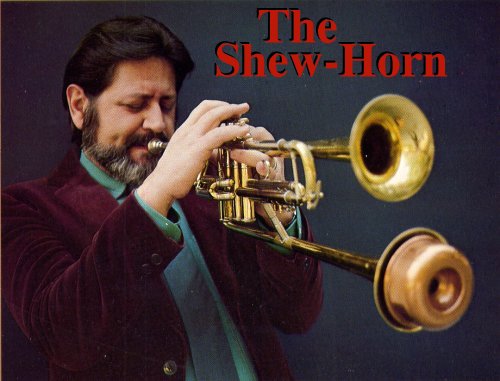
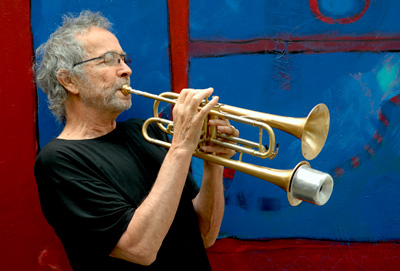
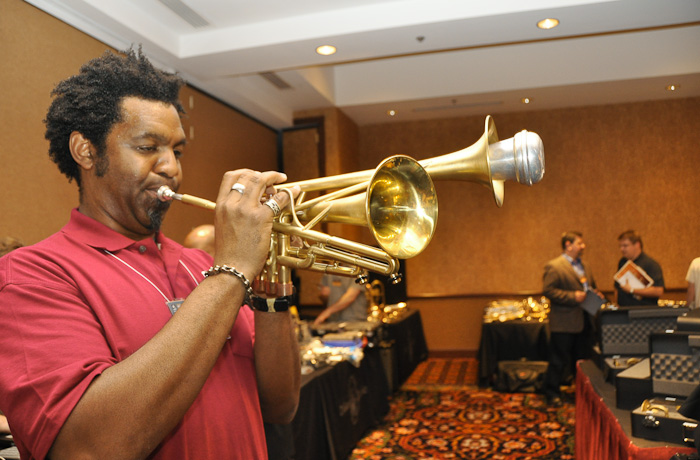
Bobby Shew on the Shew-Horn Herb Alpert on the Kanstul Gemini Herb Smith on the Jason Harrelson
Dave Monette is told to have made a double-bell horn for trumpeter Bobby Shew (1941, Albuquerque, New Mexico). He named it Shew Horn with the advice: 'try thinking about your sound more'. Here's a soundclip of Shew playing 'Stompin at the Savoy' on his Shew-Horn, for BBC's 'Pebble Mill at One' in Birmingham, somewhere in the eighties.
Zig Kanstul in Anaheim, California, US designed this double-belled 'Gemini' together with Herb Alpert. It's using a rotary valve to divert the air between the two bells. Here's Herb Alpert playing 'It’s only a paper moon' on it, Oakland, California US 2008.
Trumpeter Herb Smith played on a Jason Harrelson double-bell trumpet at the International Trumpet Guild conference 2009 in Harrisburg, PA, US, the Harrelson Medusa. Jason Harrelson himself shows it here.
Thein
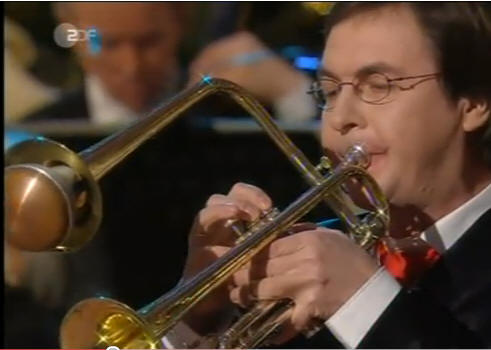
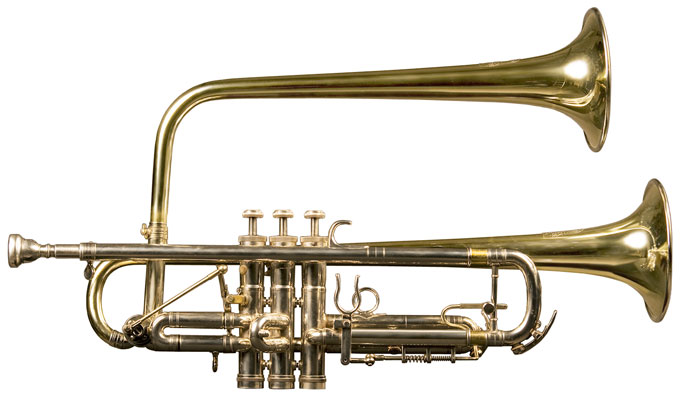
Max Thein in Bremen developed the double bell trumpet on which Matthias Höfs (left) performs 'Eine Spanische Weihnacht', together with the Berliner Symphoniker.
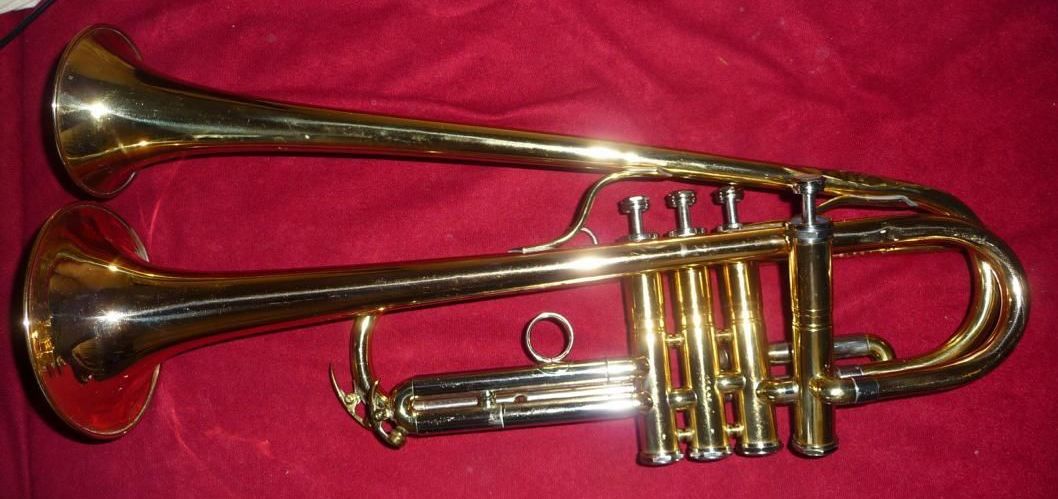
Another experiment from the Thein Brothers, somewhere between 1971 and 1993.
Billy Brooks
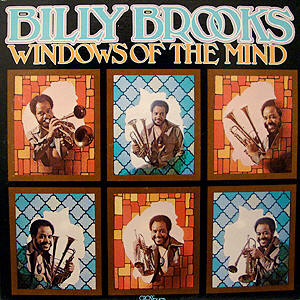
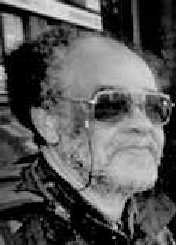 Billy Brooks
Julius Edward (Billy) Brooks (1923, Mobile, Alabama - 2003, Amsterdam) performed regularly on his double bell trumpet, de Skoonum-horn. He had it patented in the Netherlands and England since 1965 and in 1970 obtained an US patent and he dreamed of a small factory to make it a sales success. That never happened.
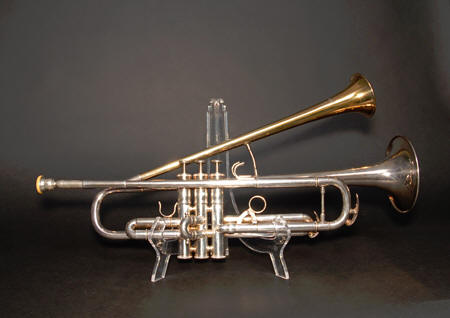
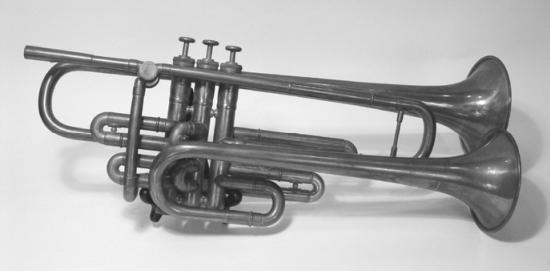
Skoonum Calicchio 1973/74 Duplex horn Calicchio mid 1960's
Dominic Calicchio from Los Angeles made in 1973/74 the Skoonum trumpet, now in the HWM-collection, in his workshop in Hollywood, with a brass upper bell. Some 10 years before, in the mid 1960's, he made another experimental double bell instrument for Jack Coleman, that was in the collection of the Fiske Museum..
Marco Blaauw
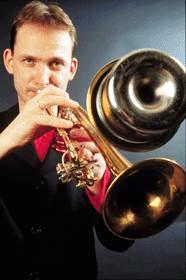
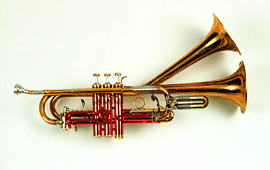
A self designed - red - double bell trumpet from Marco Blaauw, build in 2000 by Dieter Gärtner, from the company Gärtner und Thul in Düren, Germany. The trumpet uses the standard three valves, plus a fourth and fifth valve. The fourth valve enables one to play quarter-tones over the whole range of the trumpet. The fifth valve is for changing between the two bells, that are made of slighly different material. He used it amongst others for the Peter Eötvös composition Snatches of a Conversation which calls for a double-bell trumpet enabling the soloist to switch quickly between different mutes. Here Marco tells more about the history of this trumpet.
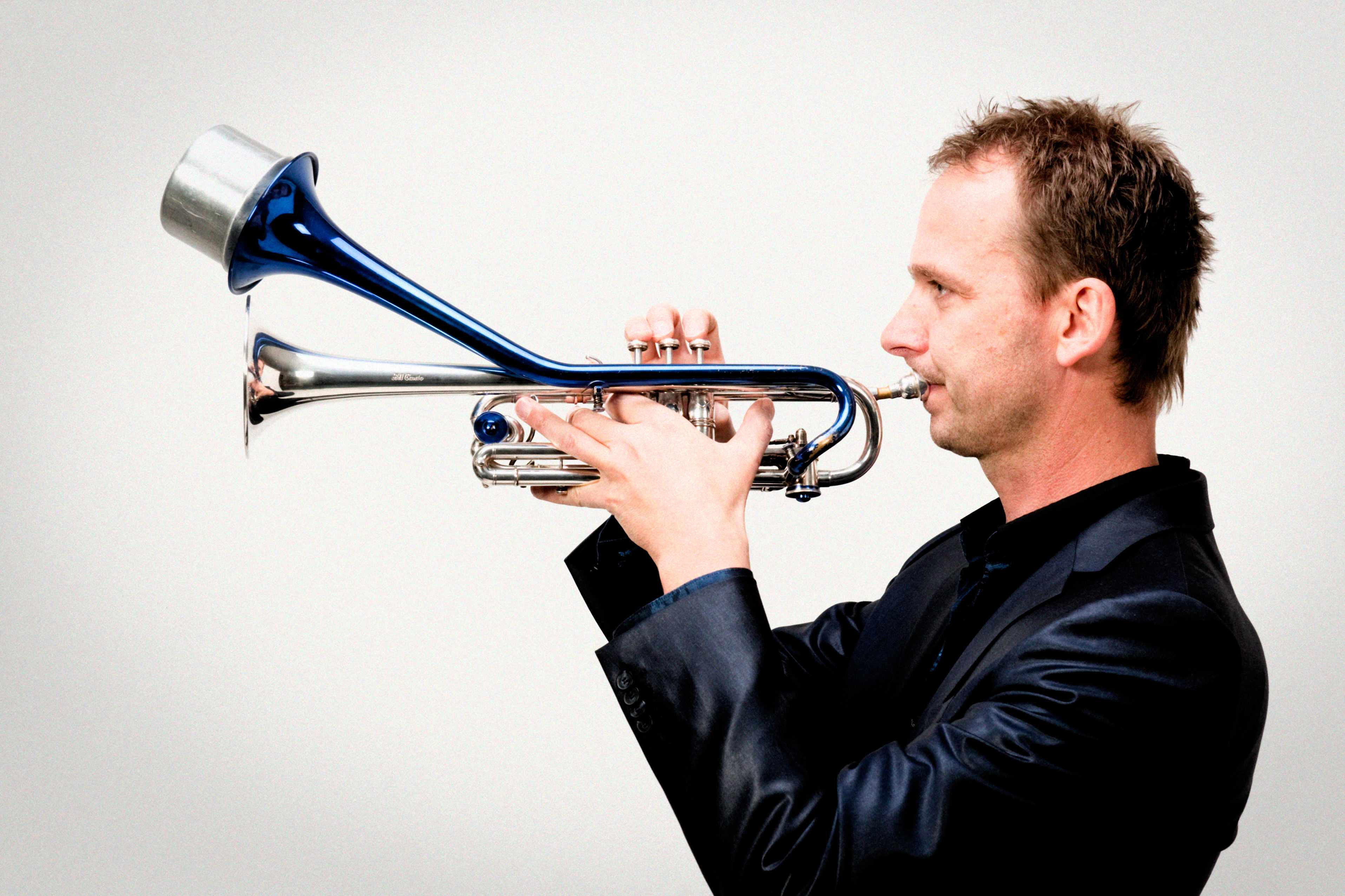
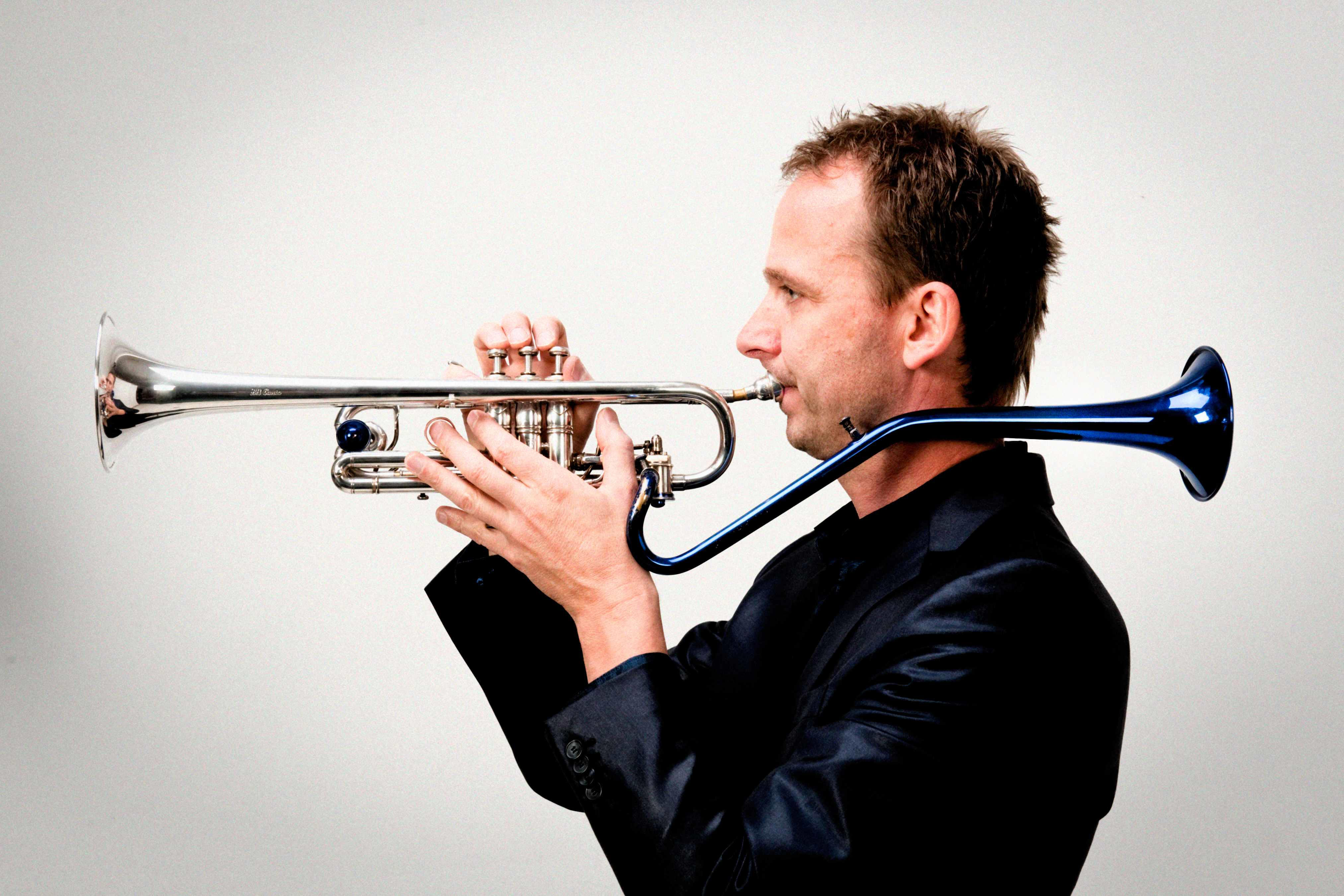
Blaauw also had made a second - blue - trumpet, a few years later, that made it possible to direct one bell backwards.
Yamaha
Brandon Ridenour demonstrates the Yamaha double-bell trumpet
Canadian Brass trumpeter Brandon Ridenour asked Wayne Tanabe from Yamaha to make him a a double-bell trumpet to perform Snatches of a Conversation with the Los Angeles Philharmonic New Music Ensemble. The instrument was configured from a Yamaha piccolo trumpet (YTR-9835) valve casing, a YTR-9636 Eb trumpet leadpipe, bells from an Artist Model C trumpet and a rotor from a french horn. Ridenour had performed the piece before on the Ben Neill mutantrumpet.
Ben Neill
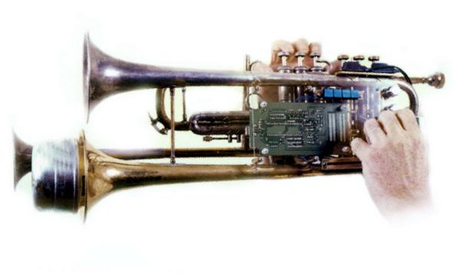
The mutantrumpet is designed by Ben Neill and is a triple belled electro-acoustic instrument. The mutantrumpet has been evolving since the mid-1980’s when Neill worked with synthesizer pioneer Robert Moog to design its first electronic interface. In 1992 Neill made the instrument fully computer interactive. The new mutantrumpet includes 8 continuous MIDI controllers and 8 momentary MIDI controllers in addition to the acoustic note and volume control from the instrument’s natural sound.
In an Audiokult video Ben demonstrates the possibilities. And here he plays it at Dogwood, a performance space in Beacon, N.Y.
The mutantrumpet
Echo-bell cornet
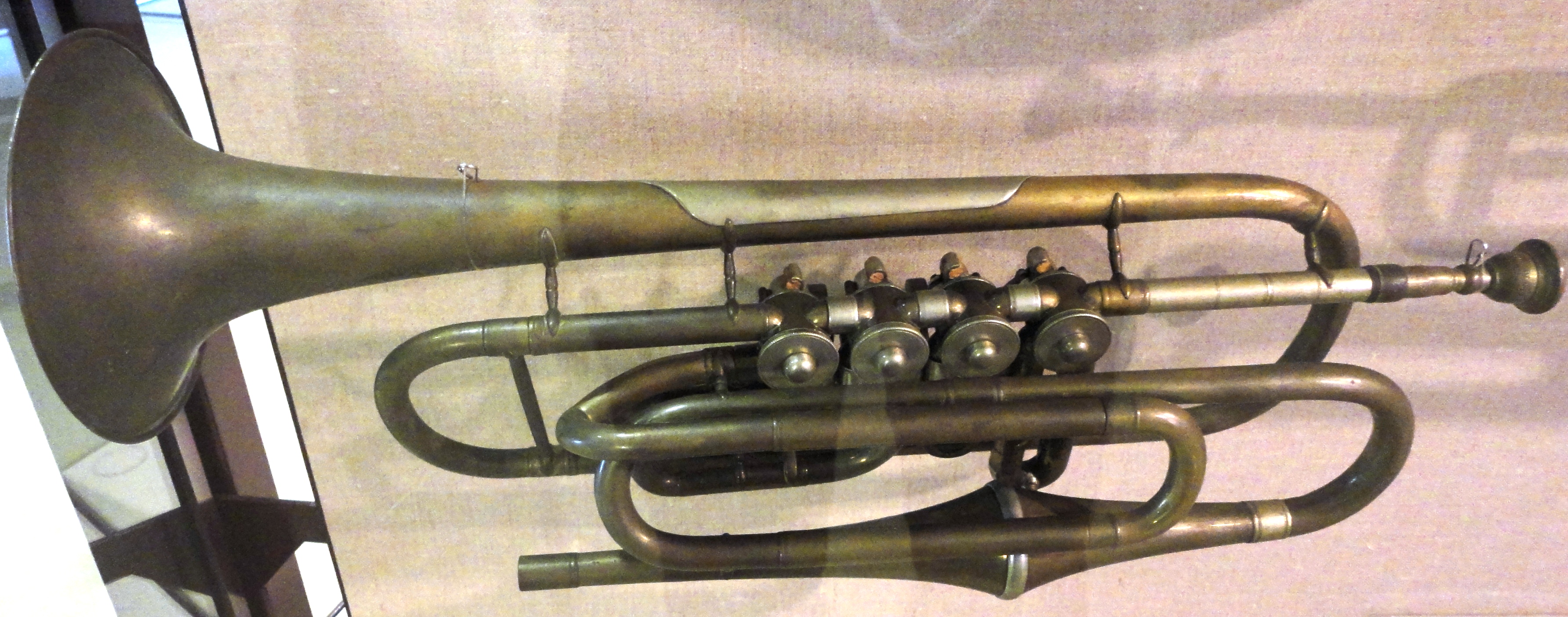
The echo-bell cornet was a popular type of instrument in the nineteenth century. The echo-bow was invented by Friedrich Adolf Schmidt (1827-1893) from Cologne who obtained a Prussian patent no. 9960 in 1859. The echo bell, which the 4th valve brings into the windway in place of the normal bell, may originally have been intended as an instantaneous muting device. Before 1900 the echo cornet became quite widely used in Germany, France and England, with soloists performing ingenious pieces with echo effects. In the twenties they were seldom sold because of changes in taste and the upcoming jazz trumpet. Nowadays cheap versions can be obtained from India.
Echo-bell cornet by Adalbert Riedl, coll. Irving Bush Echo-bell cornet by Jérome Thibouville Lamy, 1890, coll. Denis Balande
Here Crispian Steele-Perkins performs on an echo-cornet.
Carl Schäfer Hannover
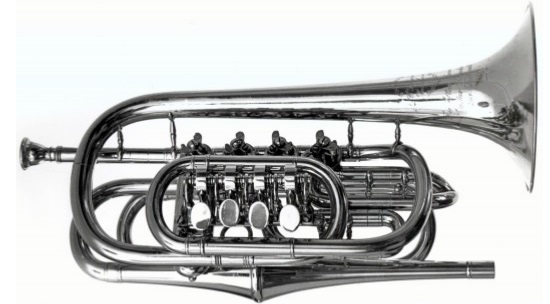
The Musikinstrumenten Museum in Berlin has an echo trumpet, made by Carl Schäfer from Hannover. Besides that this is a trumpet and not a cornet it also has rotary valves, where most of the echo cornets use piston valves. So far it's the first know double bell trumpet.
Echo trumpet Carl Schäfer Hannover ca 1900, coll. Musikinstrumenten Museum Berlin
Another Carl Schaefer echo trumpet is listed in the January 2001 edition of the ITG Journal. This one has an inscription that says it was a gift to Gustav Bernhardt from his loving parents at the occasion of Christmas 1903.
Guiseppe Pelitti
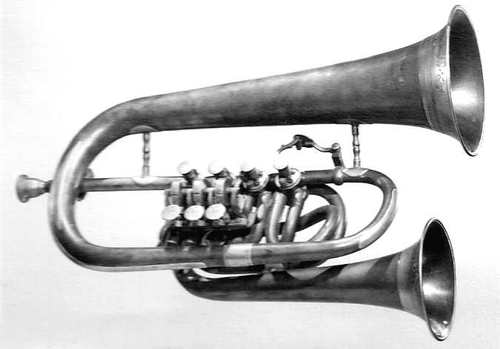
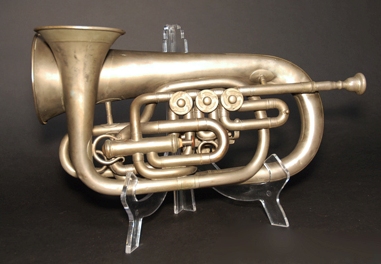
A combination of a flugelhorn and a cornet, dated 1890, was made by the Italian instrument maker and inventor Guiseppe Pelitti in Milano. It is part of the collection of the Metropolitan Museum of Art in New York. It's an instrument in C with rotary valves. Also from Milano but probably from a later date (ca. 1919) comes a flugel/cornet-combination from D(ante) Rancilio, in the HWMC- collection.
Pelitti claimed to be the first to design duplex instruments, combines two different instruments: one with an open, bright, brilliant tone like that of cornet, trumpet and trombone, the other with a dark, smooth, romantic voice, like flicorno, clavicorno or bombardino.
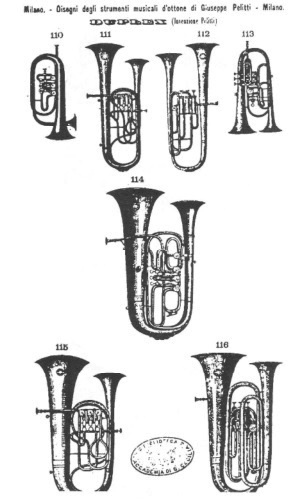
Later, on the occasion of the Paris Universal Exposition of 1878,
Pelitti presented a new
model of the duplex 'which had the appearance of having only one bell, while
the second of them was placed inside the first, and this for greater comfort without in any way
altering the sonority of such instrument'. (Catalogo P[remiatoJ R[egio] stab[ilimen] to musicale Giuseppe
Pelitti: Milano [Milan, 1880], p.14)
An example of such an instrument might be is the following by
Gautrot-Marquet.
Gautrot-Marquet
An unique combination of a trumpet and a flugel (?) with a double bell, one
inside the other was offered for sale from Uruguay on Ebay in november 2011. The outer bell measures 7 inches, the length of the instrument
is 17 inch (without the missing leadpipe). The bell reads 'Gautrot-Marquet Breveté s.g.d.g.
Paris' (breveté s.g.d.g. meaning: patented without governmental
garantee). Gautrot was a French manufacturer of musical (brass) instruments and
an inventor from the second half of the 19th century.
The idea behind this instrument is similar to that of the cornet flugel
combination that's found in a
Henry Distin catalog dated shortly after 1888. The Henry Distin
Manufacturing Co operated in Philadelphia, with a factory in Cressona PA between
1882 and 1887. Distin had been the English agent of Adolphe Sax for some time,
worked for J.W. Pepper and Moses Slater and imported French instruments in
the US.
Z.A. Meredith
An interesting
two
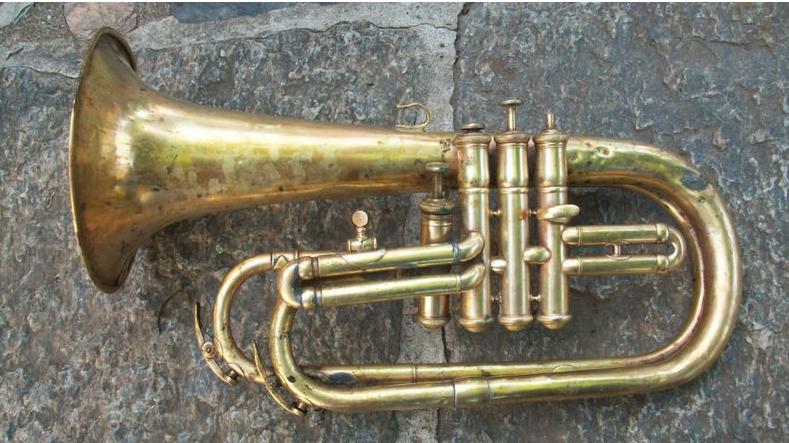
bell cornet comes from Z. Albert Meredith from Elkhart.
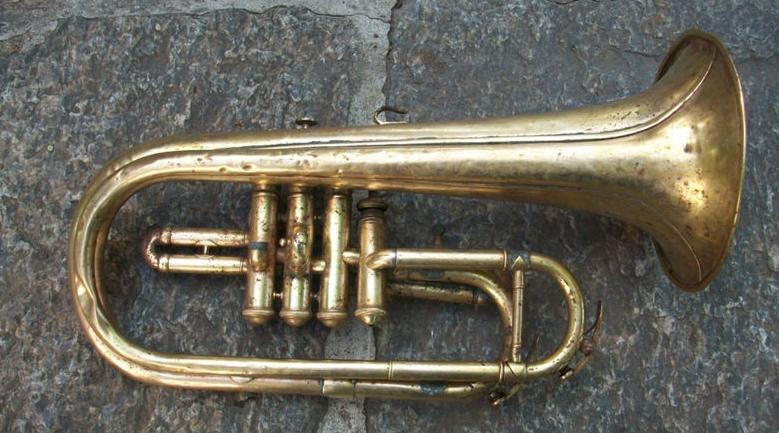
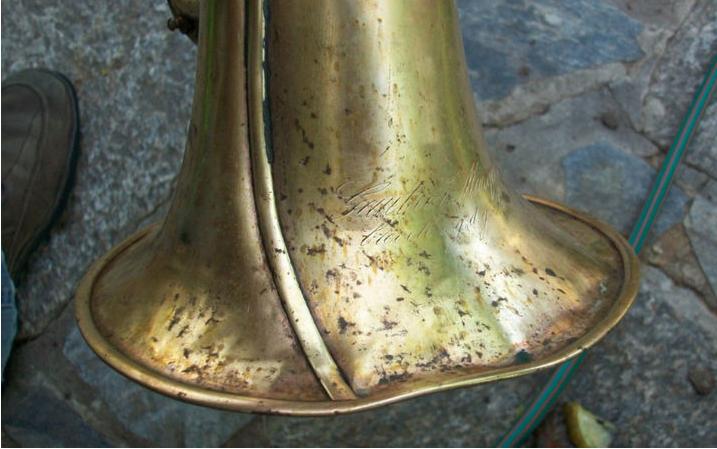
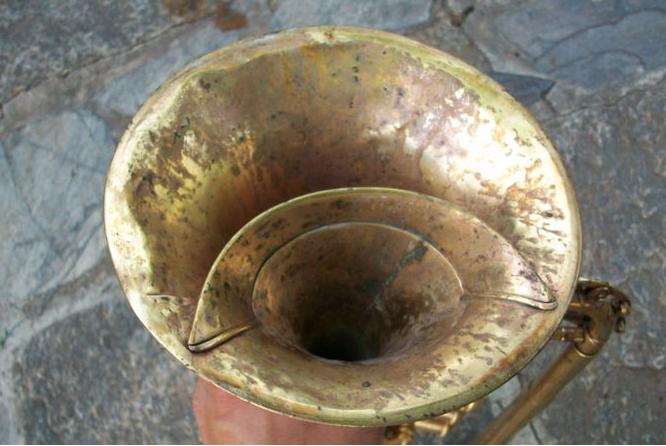 Gautrot-Marquet
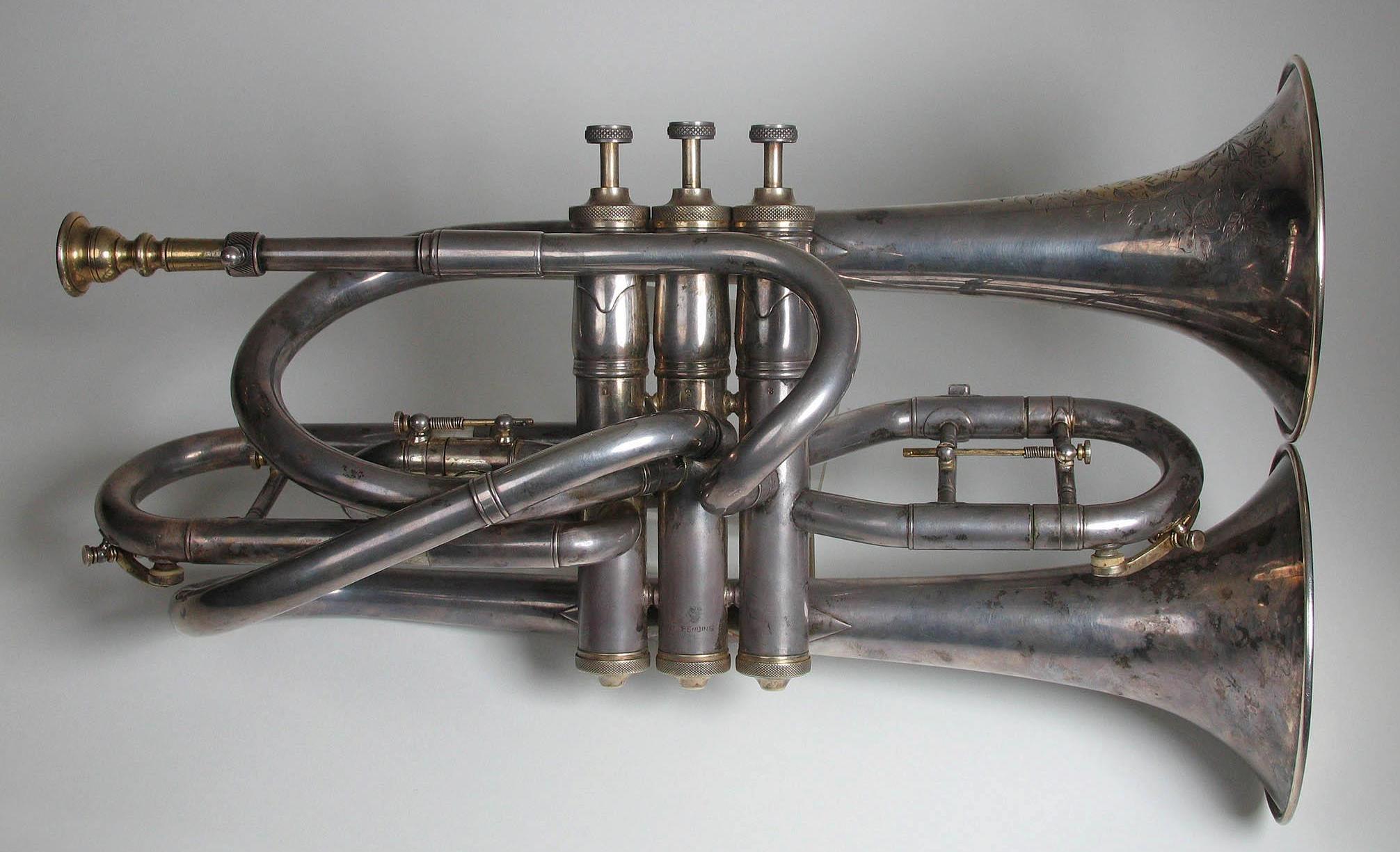
Unlike the echo-cornet where the second bell gives a different sound, the purpose of the second (lower) bell is that it eliminates the small second valve slide. Any valve combination using the second valve, the sound comes out the lower bell, and sounds exactly like the other notes which come from the upper bell. Meredith wanted to make an instrument without any sharp bend or curve, to be played with less exertion, having less friction in the air-passages, creating more volume and more carrying power and a better tone quality.
The patent application was filed January 19, 1901 and granted in 1906, and claims to be applicable for other instruments as well. Nick Decarlis, who owns this cornet, says: "In my opinion, this was a very complicated solution to a non-existent problem!"
Romeo Orsi S.R.L.
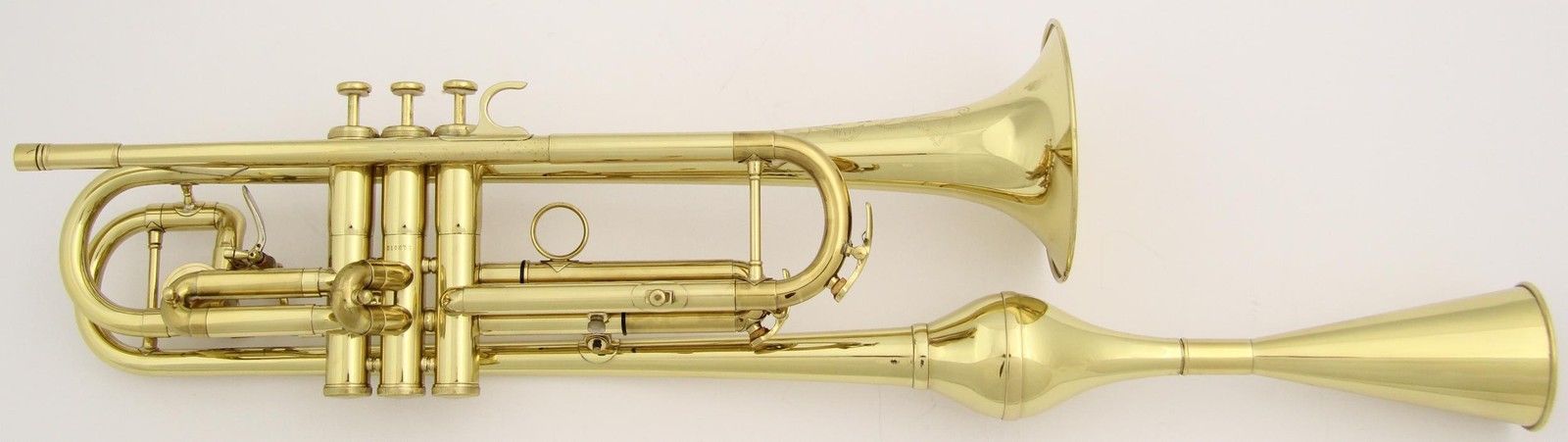
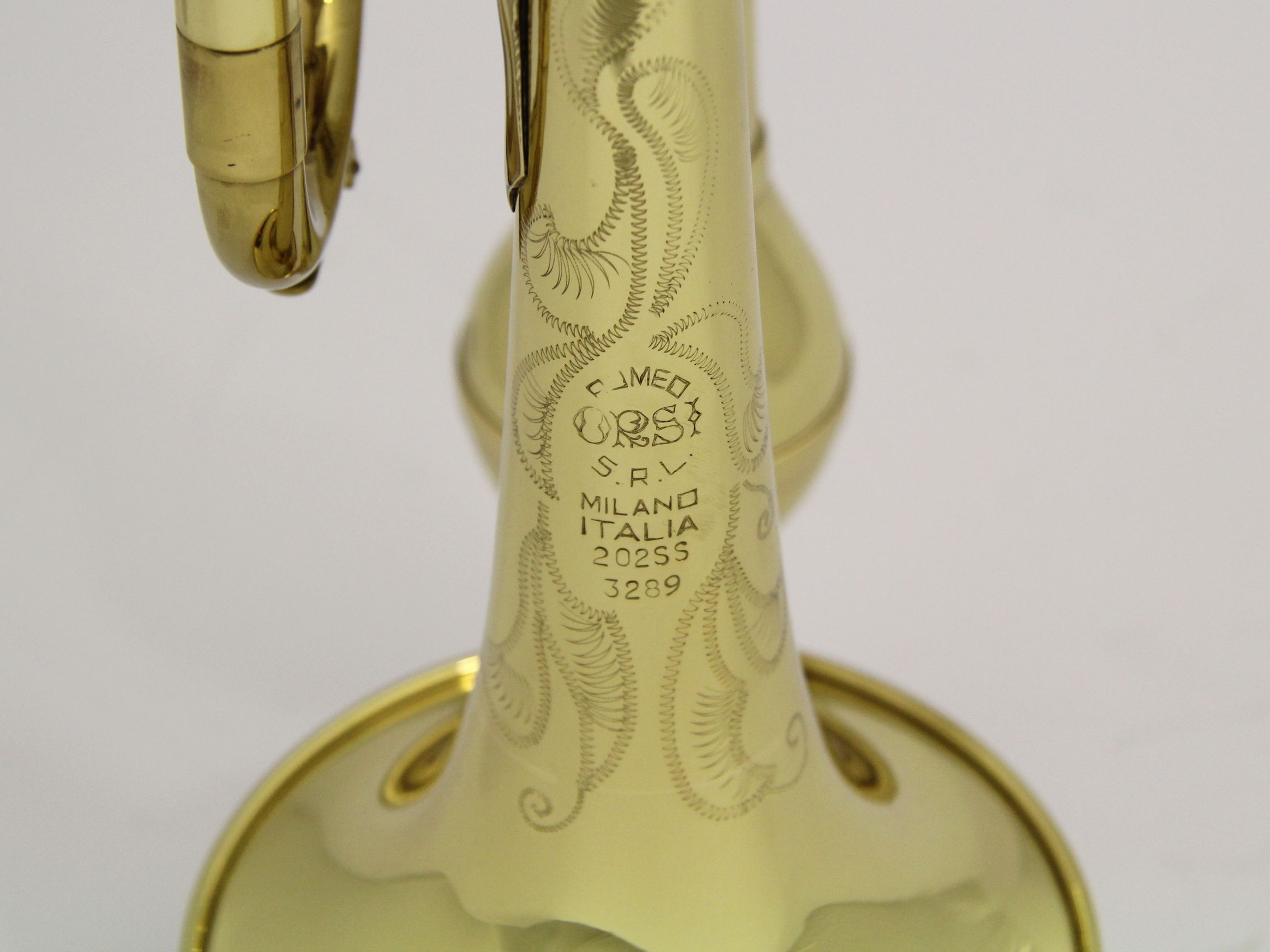
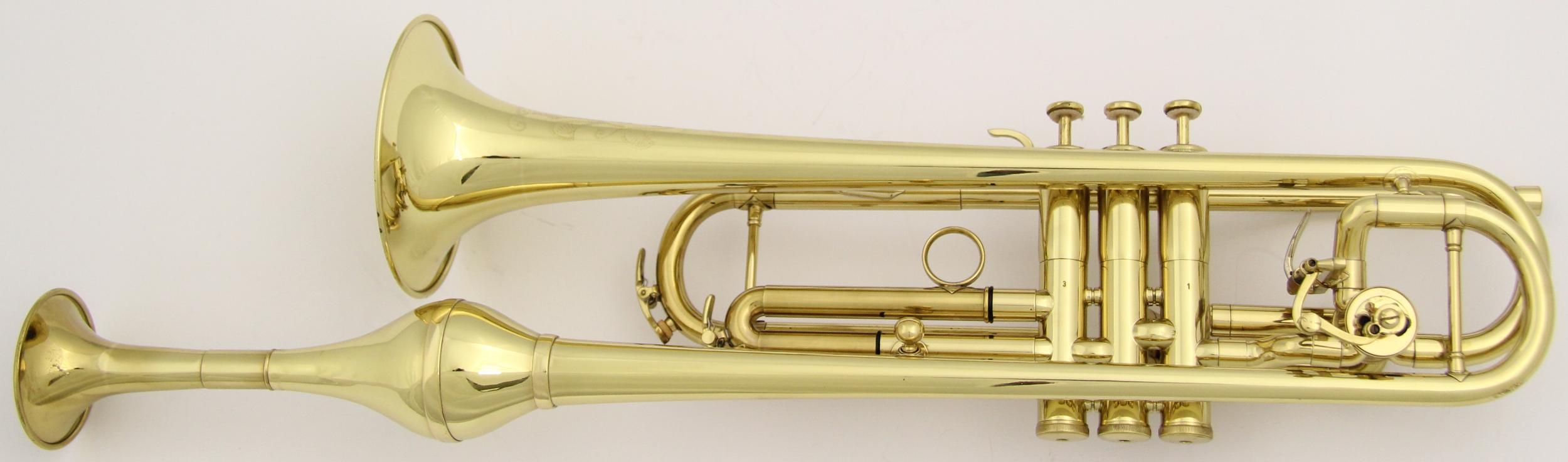
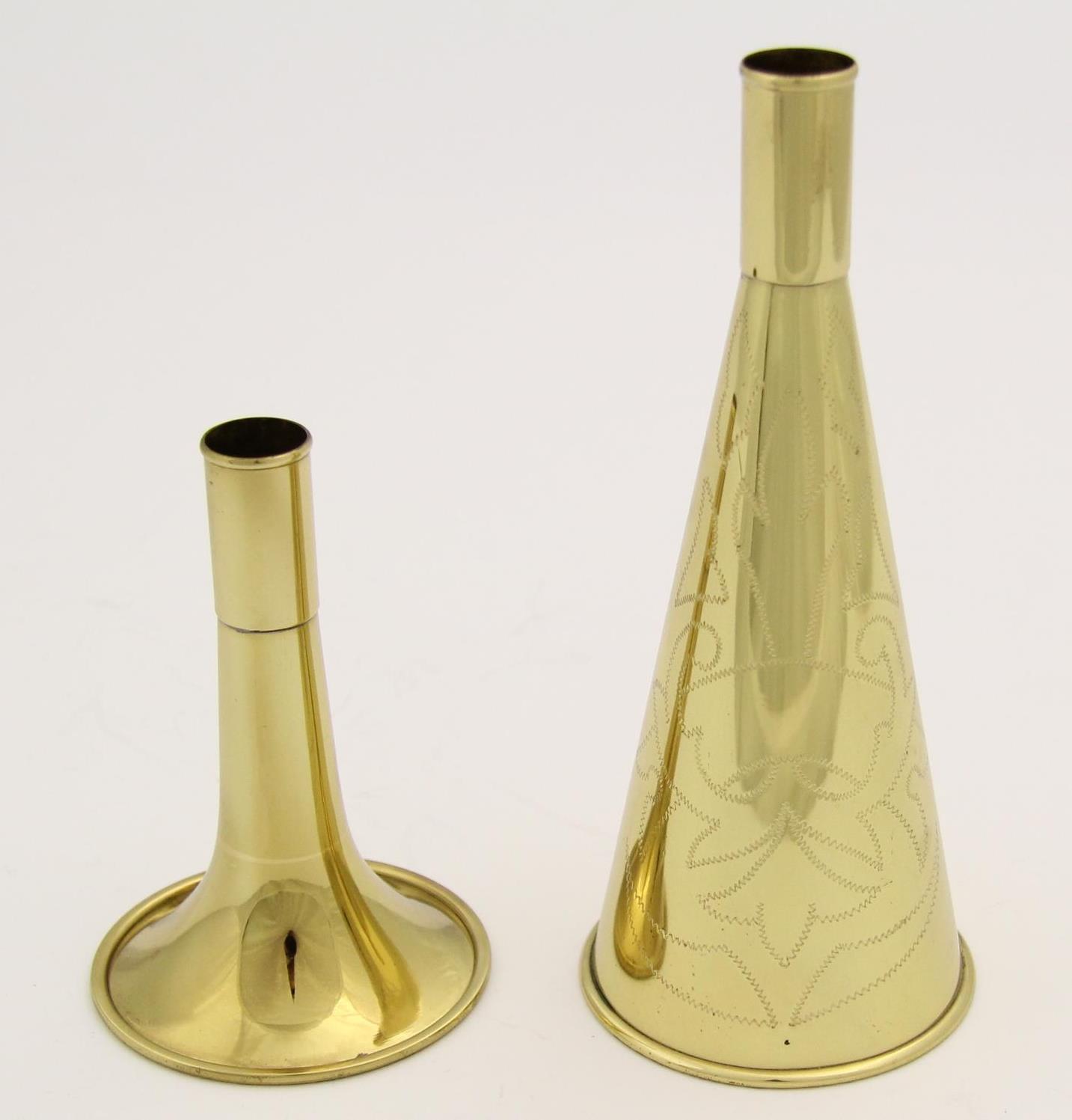
Romeo Orsi Serial number D10605. On the bell Romeo Orsi S.R.L. Milano Italia 202SS 3289 source: Ebay.it 2015
A double bell trumpet by italian manufacturer Romeo Orsi from Milano. Professor Romeo Orsi (1843-1918) was born in Como, joined Paolo Maino's factory and founded the Maino & Orsi company. They have been producing musical instruments since 1836. The factory is currently based in Tradate, Italy.
Berkeley
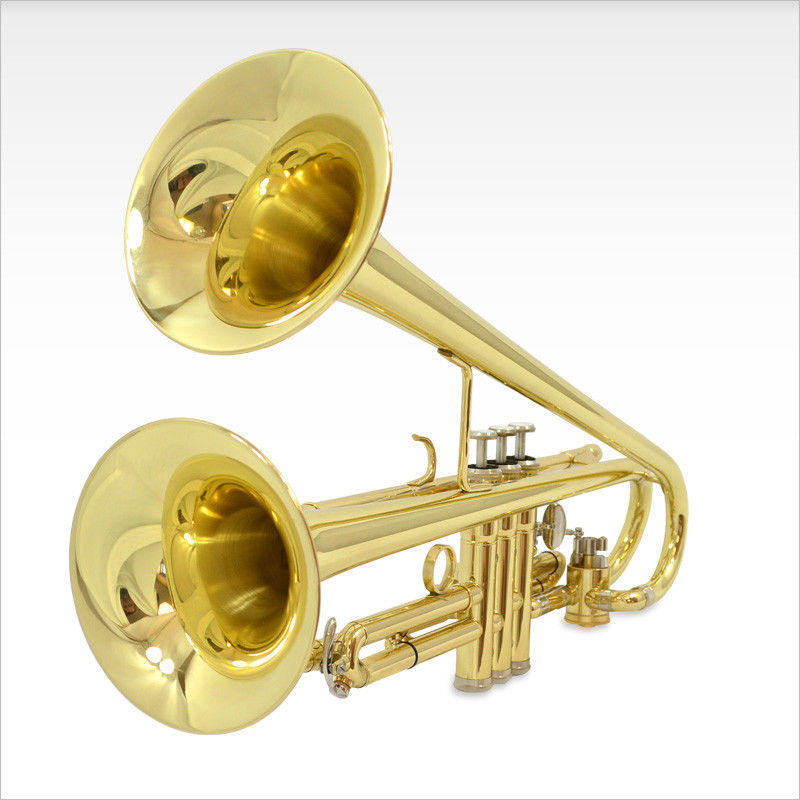
A cheap Chinese double bell trumpet, designed by Dr. Lee. Pitched in Bb and A (or Bb and C, that's not quite clear) from BerkeleyWind. With a rotary valve that directs the air through the smaller bell, stated to sound like a piccolo trumpet. A Youtube-video demonstrates how the instrument can change from Bb to F by using the fourth valve without the extra bell and how adding a piccolo sized bell changes the sound.
Schiller
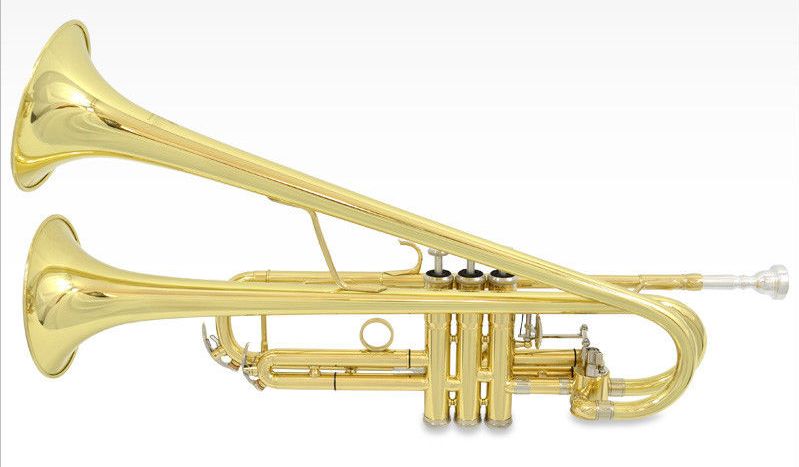
Another cheap double bell trumpet, the 'Schiller Bandleader', offered by Jim Laabs Music in Stevens Point, Wisconsin. The name Schiller suggests it's German but it's understood these are also low end products from Shanghai, China. The address of Schiller Instruments is the address of Laabs.
Schiller also makes a double bell trombone, the valve either working as an F attachment or as a bell toggle.
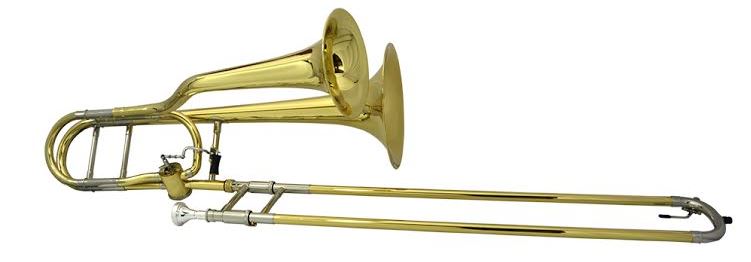
As a side step, another double bell trombone is played by Bruce Collings from Musikfabrik and it's build by Michael Rath custom trombones in Honley, somewhere between Manchester and Leeds in England.

Tuyama
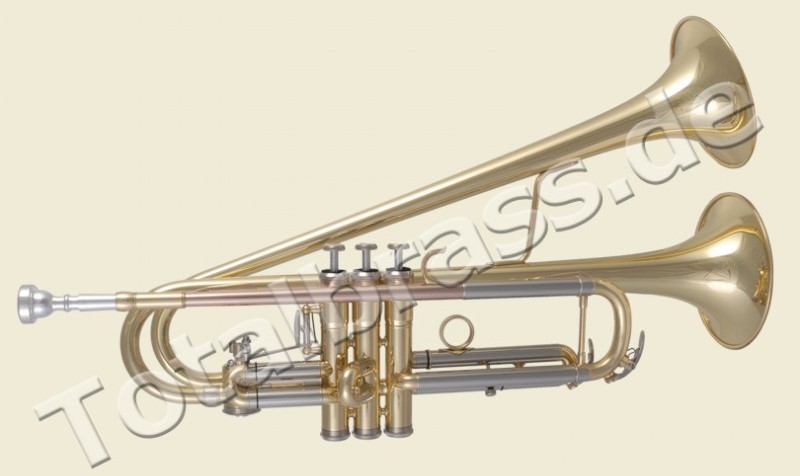
The Tuyama TTR 322 double bell trumpet, offered by Totalbrass.de looks pretty much the same as the Schiller and is also a cheap Chinese made instrument, from the Eastman company. Tuyama was registered as a trademark in Germany in 2009.
Brand
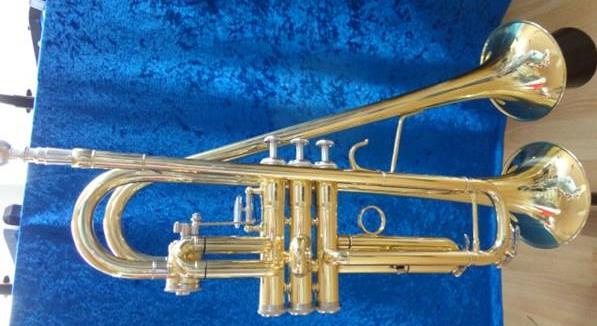
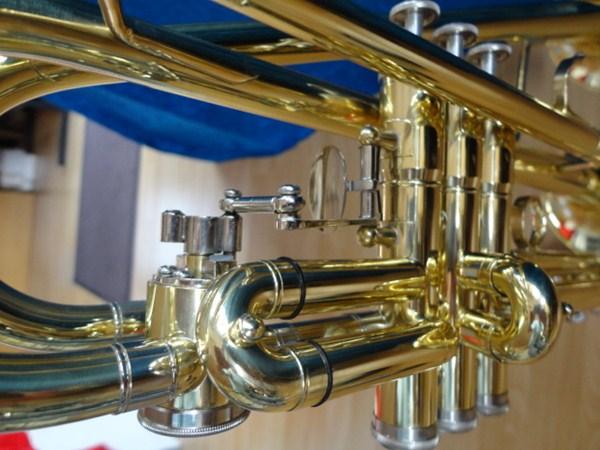
Brand is said to be a Taiwanese made brand but again it looks much the same as the above Chinese instruments.
Project-horns
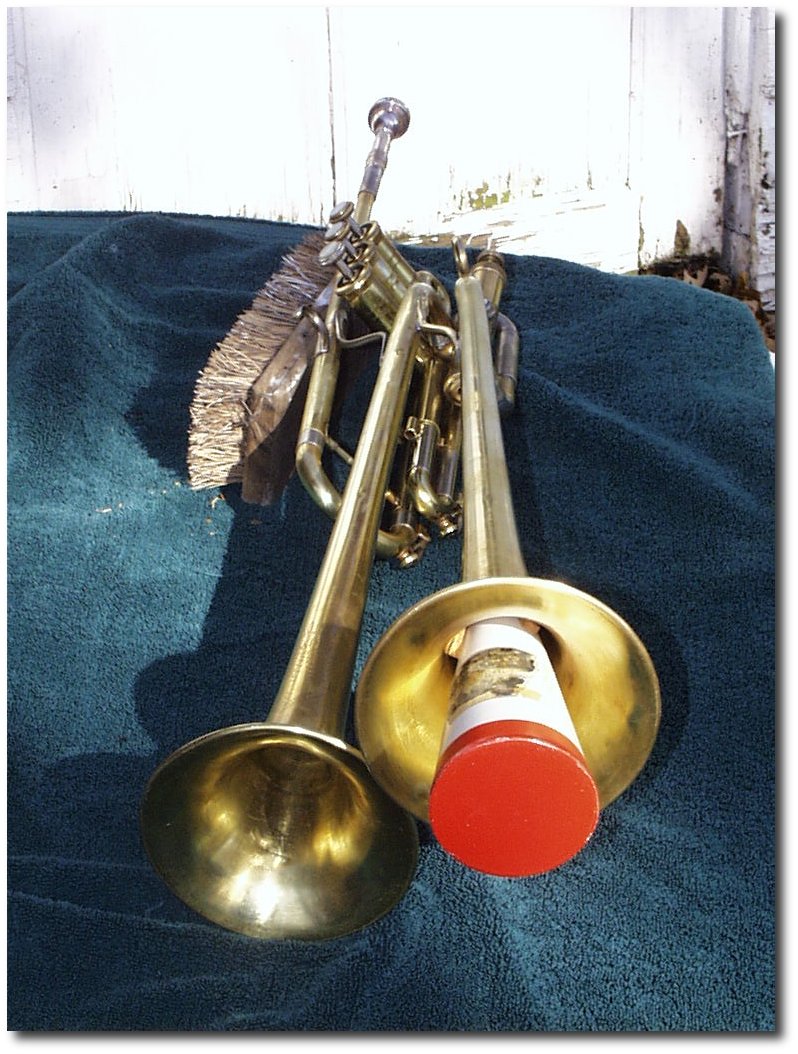
Double bell trumpet by Tim Brown, Galesburg Illinois, US
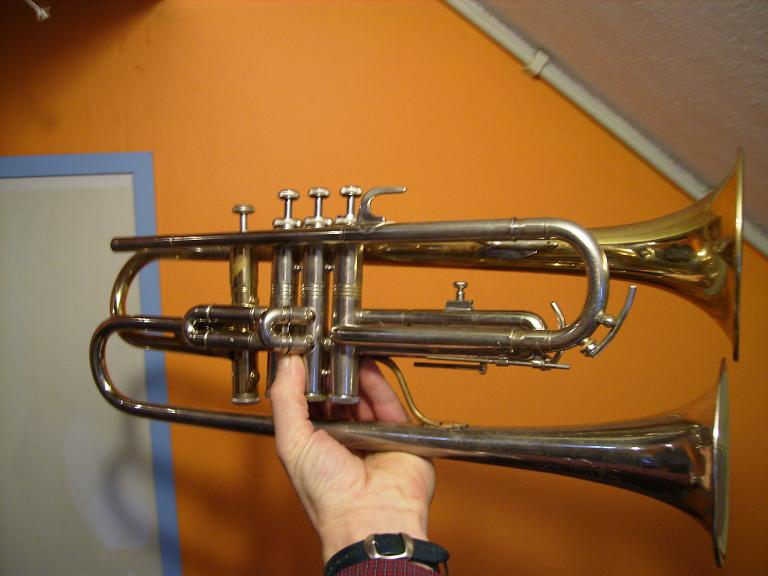 Project-horn by P. van Asselt
The right bell (with mute) of the project-horn Tim Brown build, is from the original Holton Collegiate trumpet. For the left one Brown, from Galeburg, Illinois, US, used a bell from a private label 'Temple' trumpet. 'Temple' is the name of a music store on the US east coast many years ago. The project-horn of P. van Asselt is made of an Amati and a Yamaha.

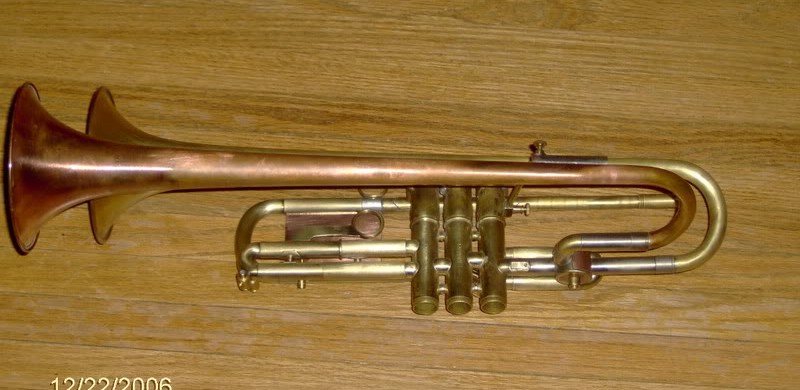
A trumpet with a double bell made in 2006 by Michael del Quadro from Del Quadro Custom Trumpets in Wichita, US for Pat Shaner. A rotary valve switches between both bells. Del Quadro used an Olds Ambassador valve block and has put a Pilczuk leadpipe on the front end of the horn.
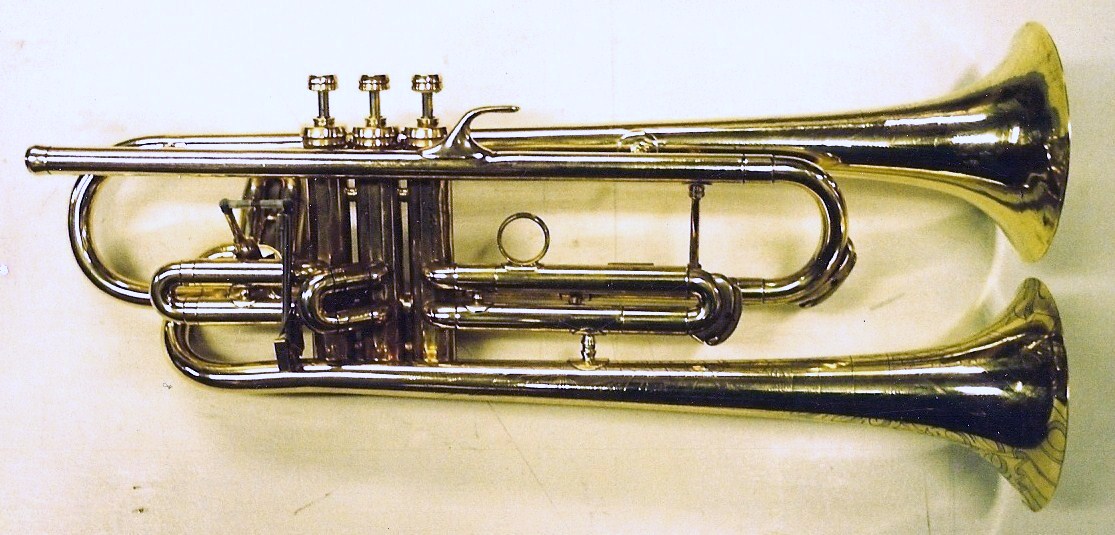
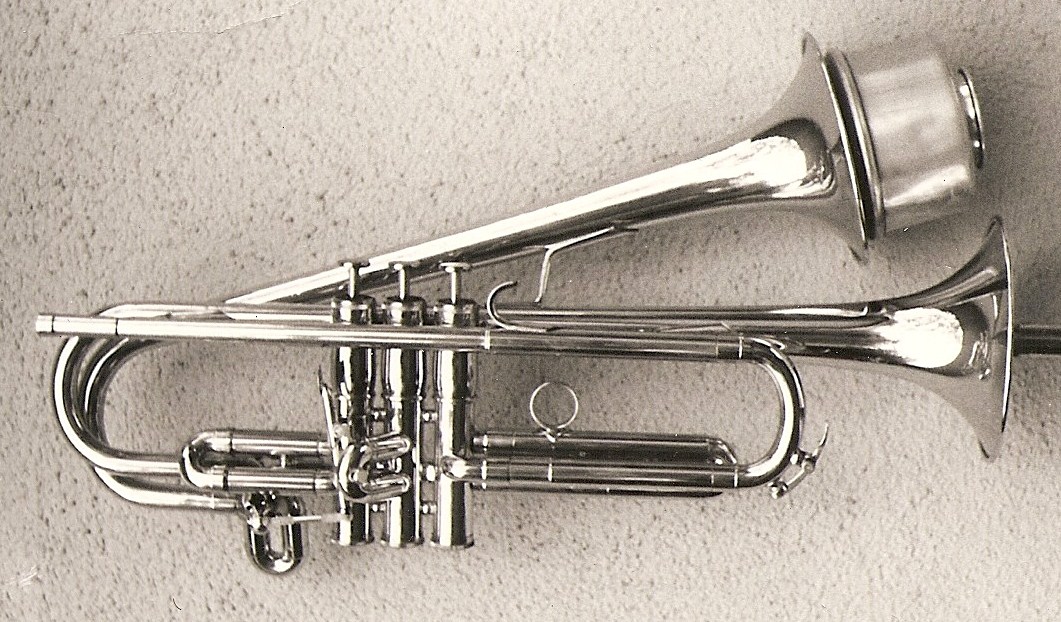
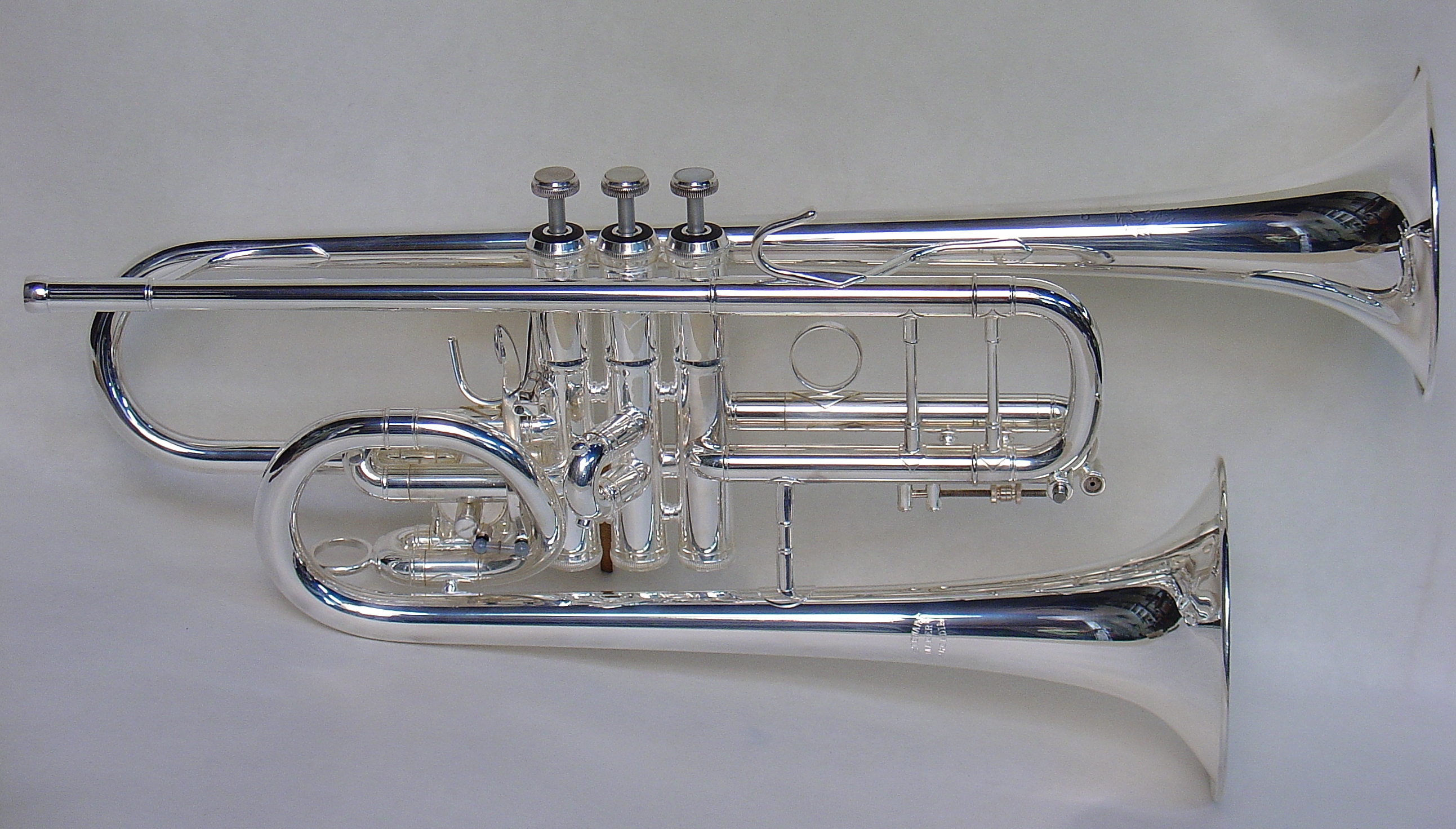
Robb Stewart in Arcadia, California, made three double bell trumpets in the last 30 years. You'll find an explanation here.
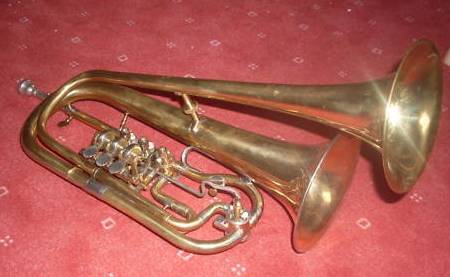
A Melton Egerländer flugelhorn combined with a Benge trumpet bell. An idea from a German player of Donauwörth, made in 2010.
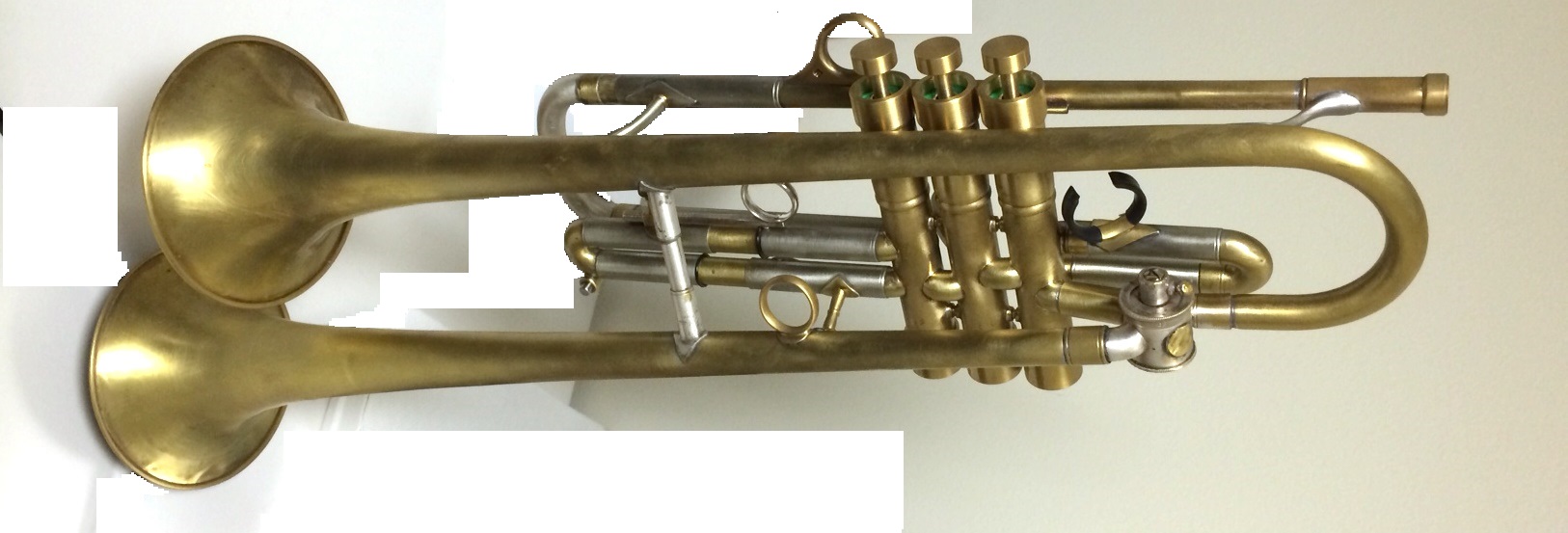
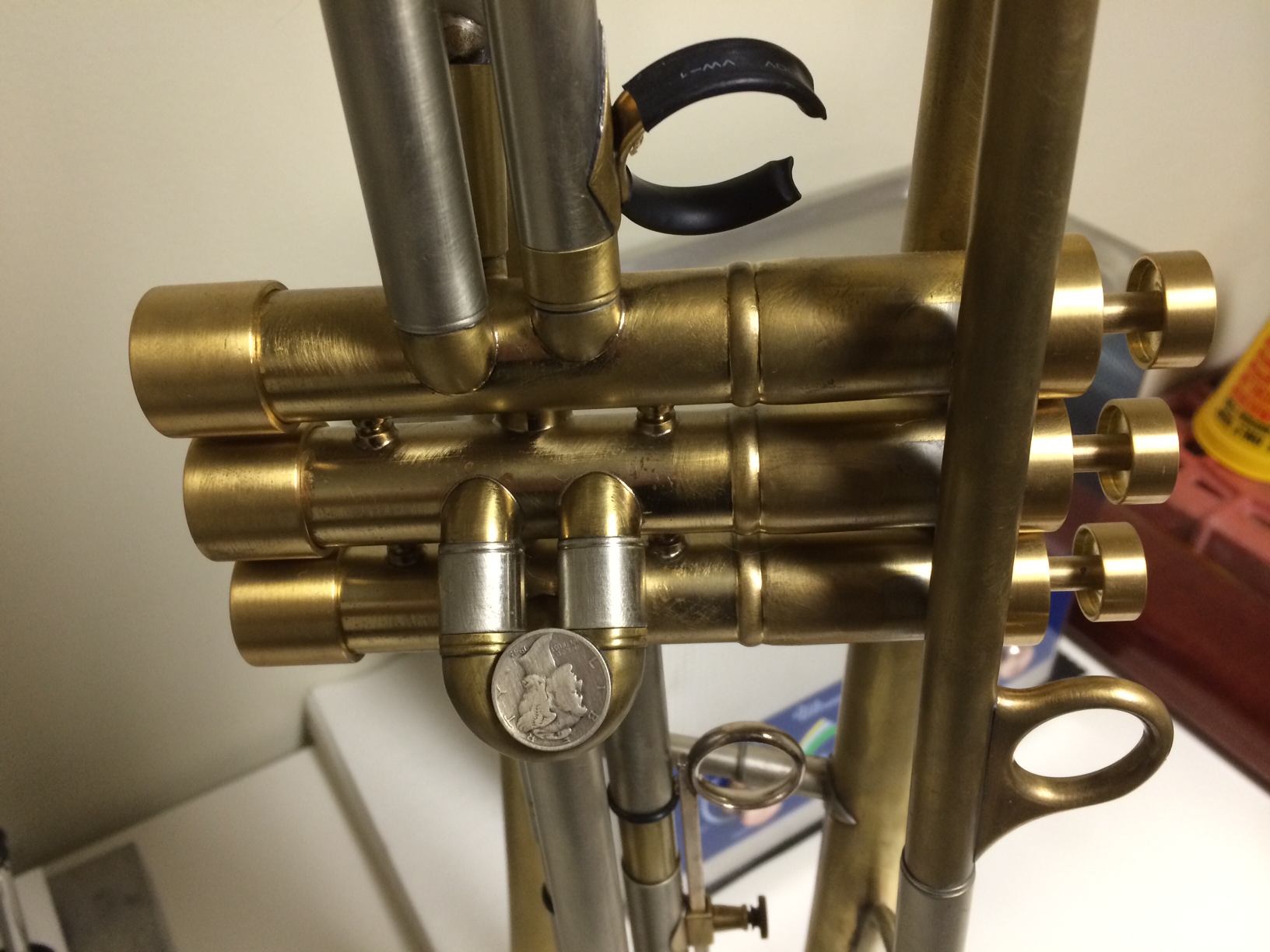
Jason Jimos of Band Instrument Recycler in Minneapolis, MN, in 2013 built a double bell Bb (top bell) and C (lower bell) trumpet, using an old Bb/A Cornet rotor to change the bells. Although his
intention was to make both bells Bb, to be able to put different mutes in each bell, the lower bell came out as 'C' due to its length. The valve section and lower bell came from a Besson 2-20 Bb trumpet. There is a 1945 liberty mercury dime soldered on the second slide for a draw knob. The braces are from a Buescher 400. A Harrelson trim kit and finger ring are used on the leadpipe. "I used an unknown baritone finger ring on the 1st slide, cut it and added shrink tubing to make it more ergonomi'", Jason tells. A trombone tuning slide brace between bells gives the horn more durability. "It's a good training tool, since I've never played a "C" trumpet before", he says. "However, it is bulky and a little heavy."5 Other sax shaped instruments
1 The
Jazzophon 2 Background of the Jazzophon 3 Other sax shaped trumpets 4 Other double-bell trumpets 5 Other sax shaped instruments 6 Sources, links and contact
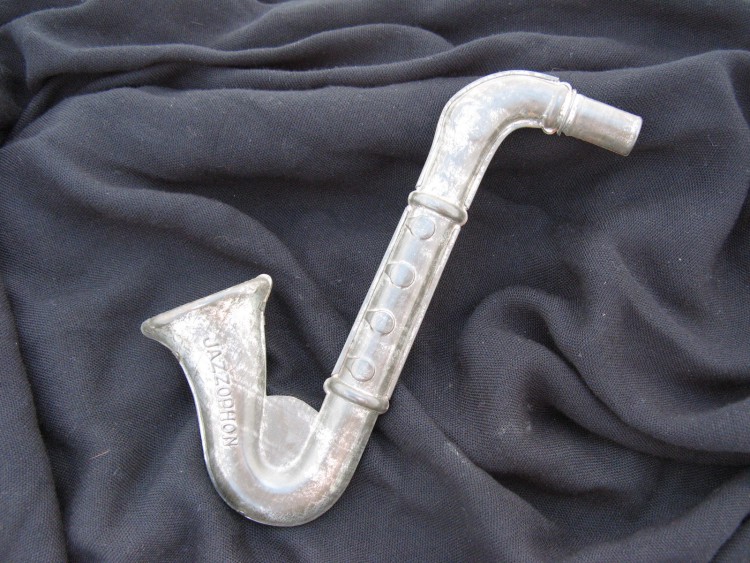
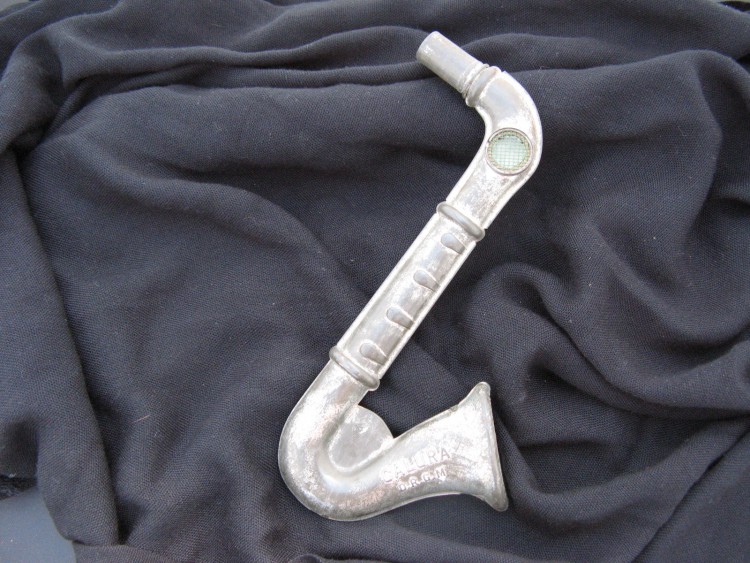

Jazzophon Calura D.G.R.M. coll. Gerard Westerhof
The name Jazzophon is also used for other sax shaped instruments. Before World War II the German company C.A. Lux from Ruhla (Thüringen) made a 20 cm tall metal sax shaped kazoo called Jazzophon. The sound source is a vibrating membrane. There is a D.R.G.M registration for August 26th in 1926. They registered the design also at D.R.G.M. on August 18th, 1932.
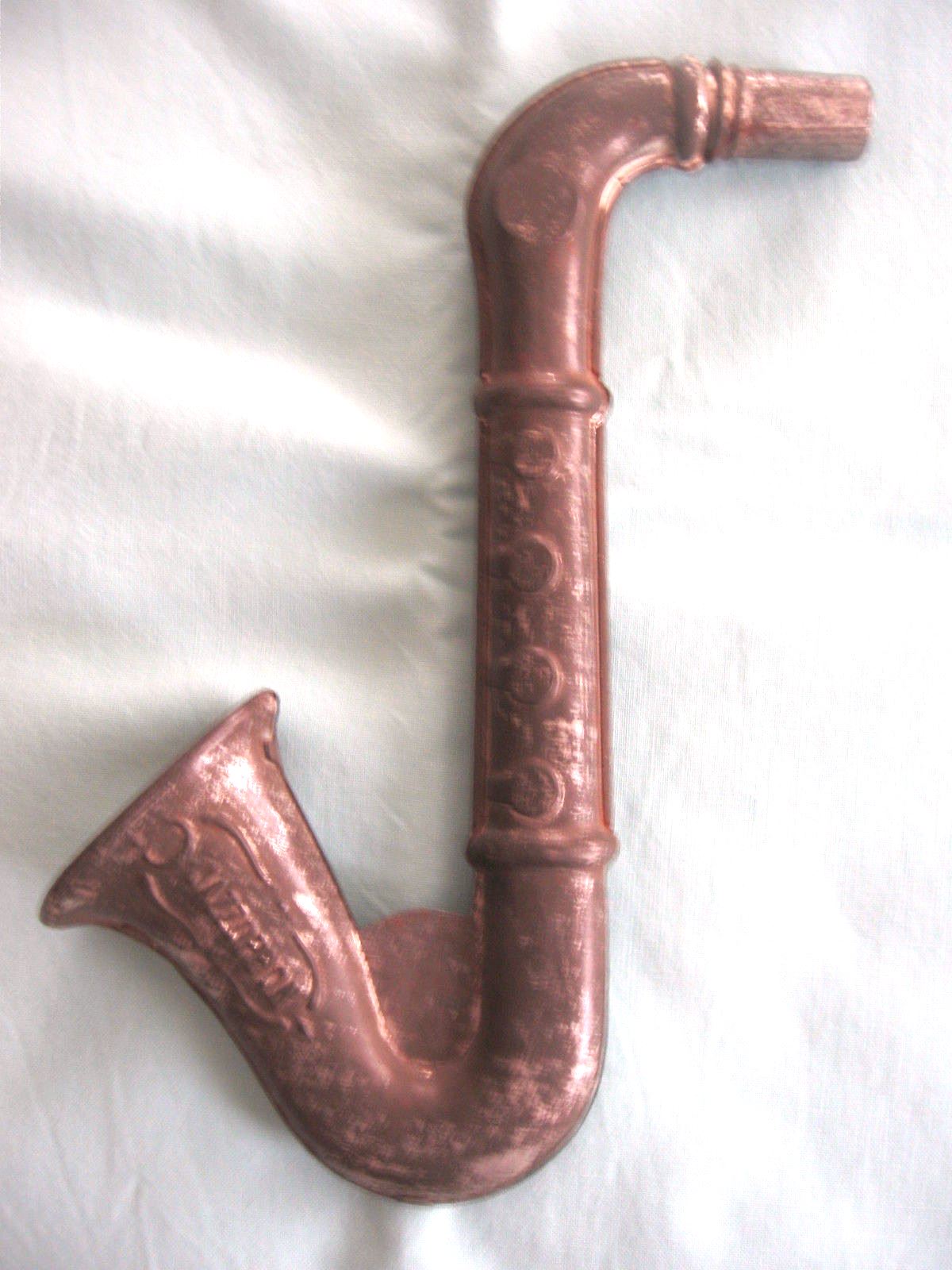
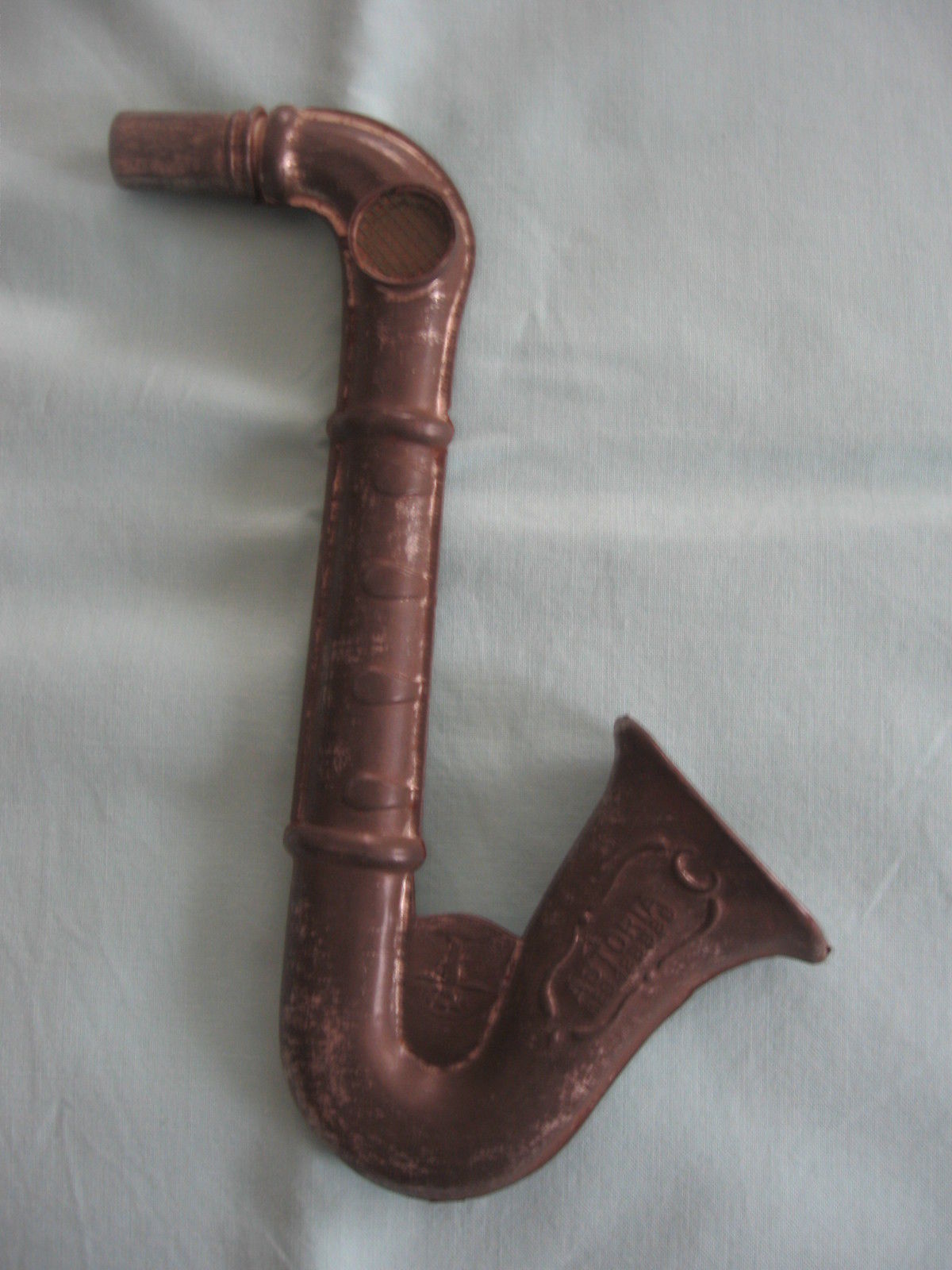
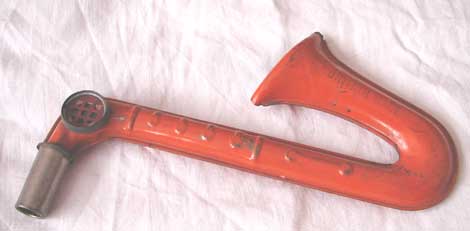
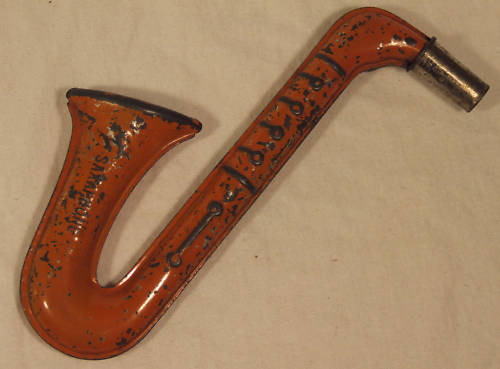
Jazzophon Astoria REG. 128880 source ebay.com Saxaphone, Britisch made kazoo, ca 1930, coll. Pete Thomas Saxaphone
The British saxaphone is an almost identical instrument from the same period. There's also a Jazzophon that's marked Astoria REG.128880 on the backside.
Similar instruments with a reed instead of a membrane were called Luxophon or Sirenophon. Both are of German origine, the Luxophon, measuring 4 3/4" tall, has a D.R.G.M registration.
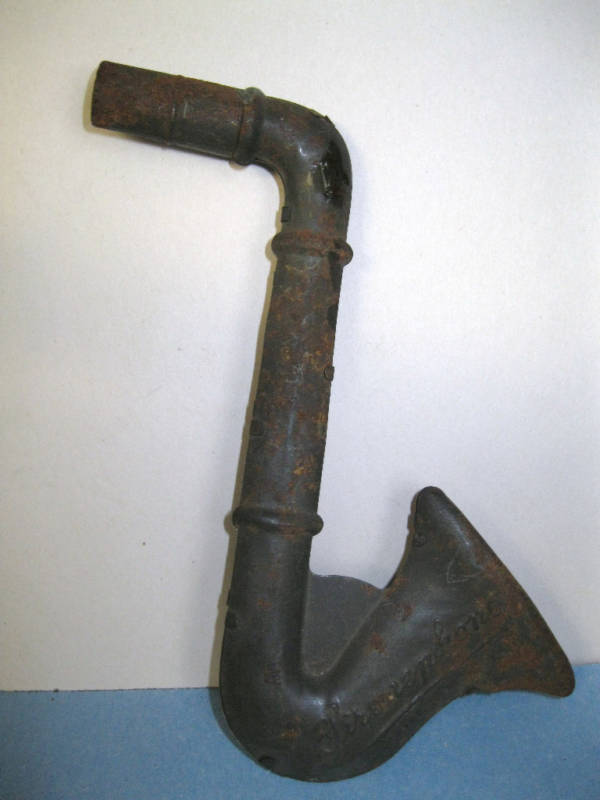
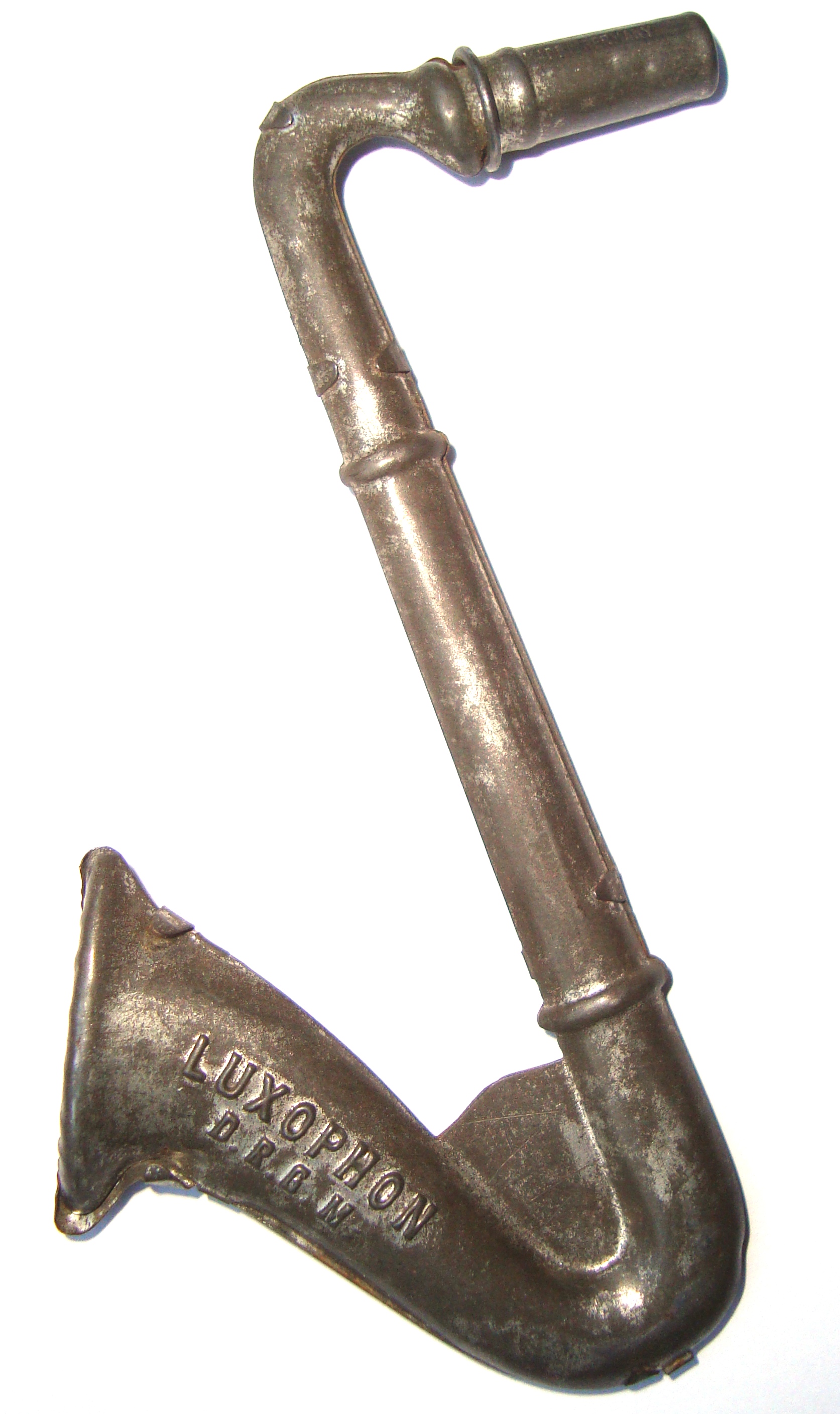 Luxophon, coll.
Gerard Westerhof
Luxophon, coll.
Gerard Westerhof
On October 13th, 1929 the Bubbling Over Five recorded a piece called Get up off that Jazzophone during sessions in Richmond, Virginia, for the Okeh Record Company with James Simons ("Blues Birdhead") on a harmonica, labelled as jazzophone.
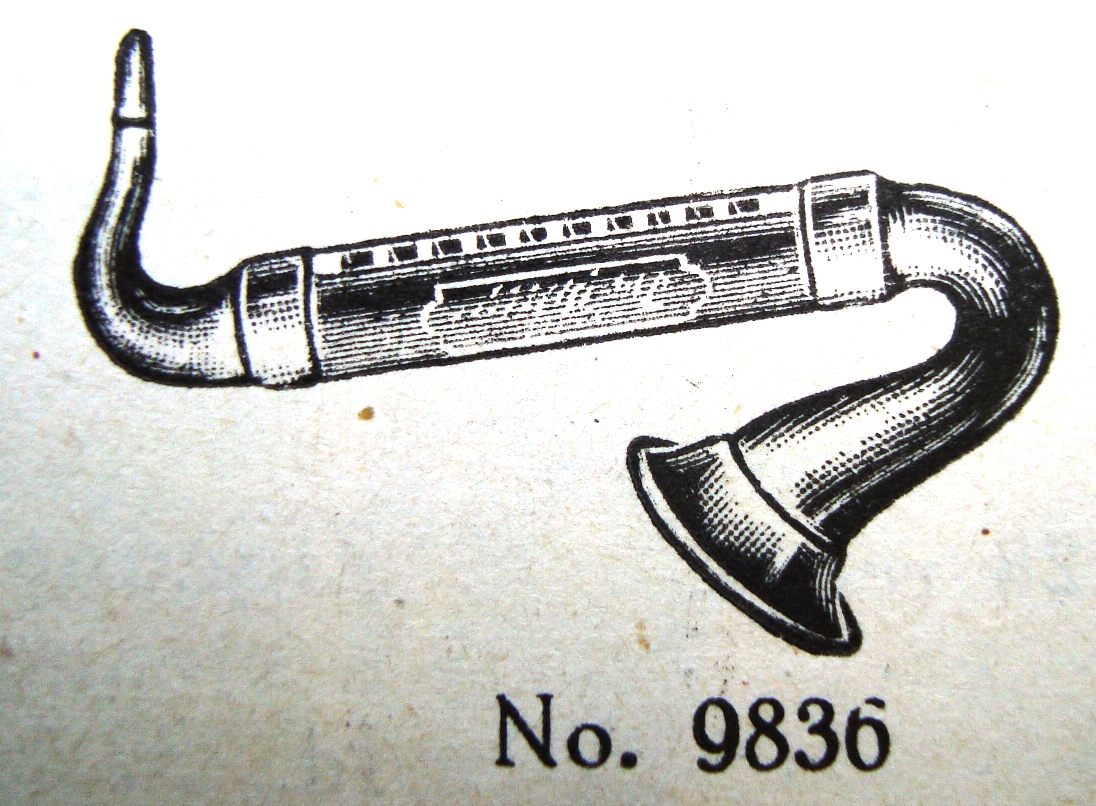
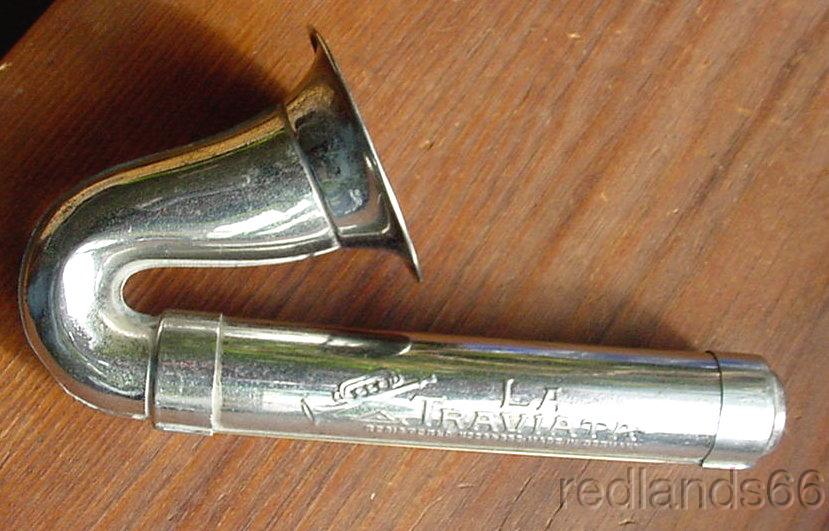
La Traviata, harmonica made in Germany, registered under number 264852, Ebay November 2010
Couesnon: Saxie
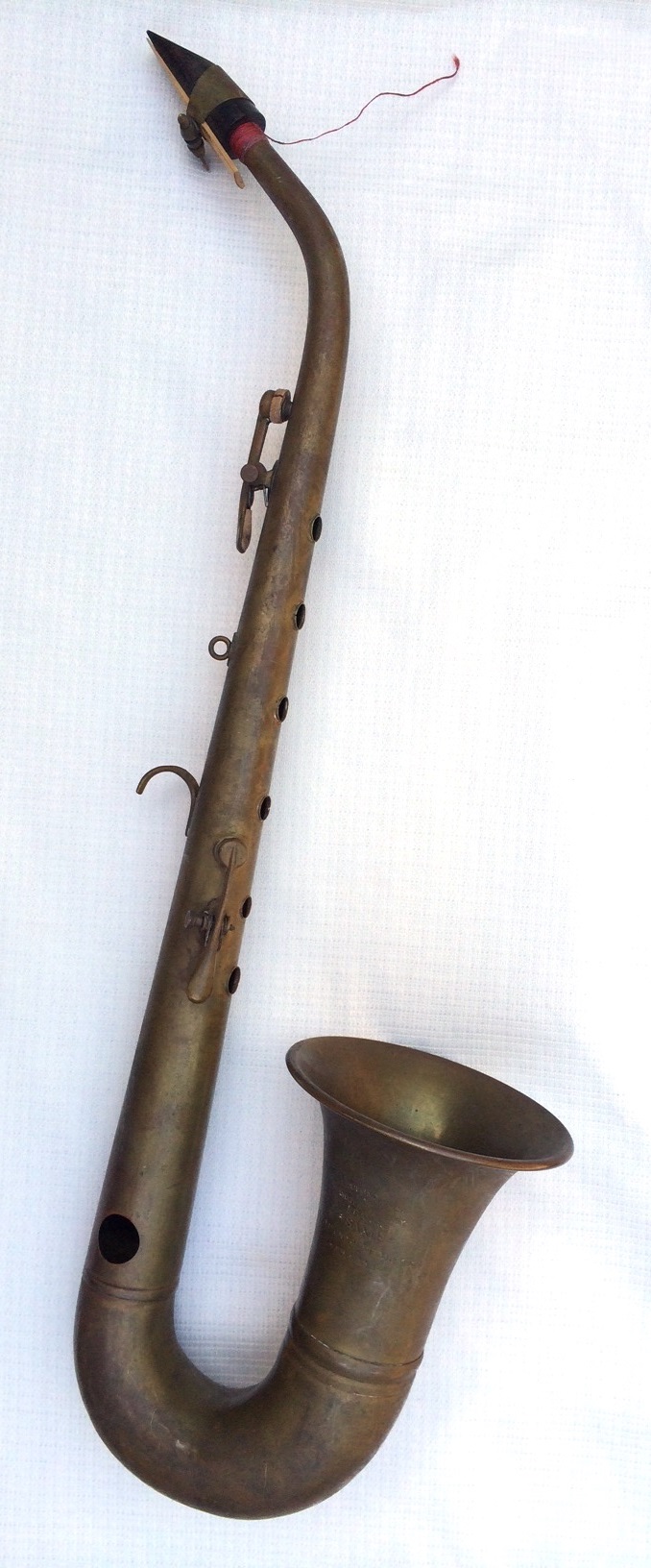
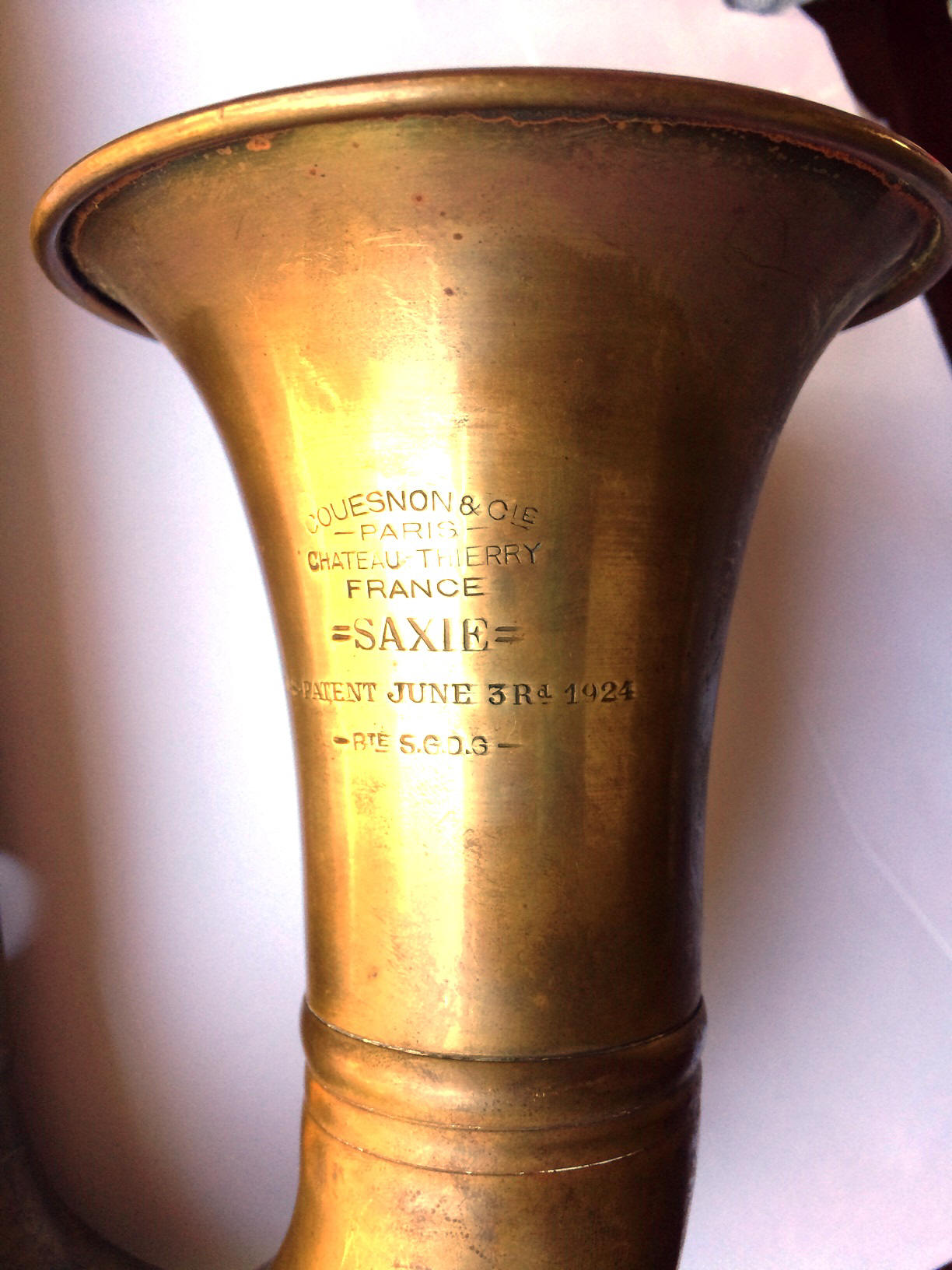
Saxie and Saxie engraving, coll.: Gerard Westerhof
The Saxie is a sax shaped instrument with a 62 centimeter
u-bend brass tube and bell and a reed mouthpiece. The inventor and patent holder
of the instrument was Frederick B. Hammam of Baltimore, Maryland, the
US-patent
dating from June 3rd, 1924. The Couesnon company in Paris must have quickly
bought the patent rights as their name is on all the now known extant Saxies.
Under the reference to the US patent is written Bte SGDG, an abbreviation of
Breveté Sans Garantie du Gouvernement. SGDG was a French patent system, where
the government didn't accept liability.
Couesnon pricelist 1930 source: Jean-Luc Matte
It was described to the 'ever-widening circle of admirers of the saxophone' as 'the little brother of the saxophone', but easier to play. A Method for the Couesnon Saxie was published by Simson & Frey, New York 1924. The small number of Saxies shows that it was an interesting experiment but not a commercial success. The Saxie is described in detail in The Galpin Society Journal from April 1999: A Six-Finger Hole Saxophone: The Saxie. At the time the author, David Rycroft, was aware of four Saxies apart from his own, two in private collections and two in a museum. At least four more popped up on Ebay in recent years, the one I acquired was sold by a designer from Oakland, California, who found it years ago at an estate sale in Berkeley.
Attilio Berni
playing his saxie, from 7.12 till 7.30 in this video
ex coll. Sid Glickman coll. the late David Rycroft coll. Pete Thomas
The Saxie owned by Pete Thomas is also branded Couesnon but has a different, more forward looking bell. A 1938 catalog from Ernst Hess Nachf. Klingenthal (Germany) lists a saxie with a forward facing bell to, albeit slightly different. Hess also offers a straight saxie but doesn't refer to Couesnon.
1938 catalog Ernst Hess Nachf. Klingenthal
The saxie also figures in a British J.E.D.& S catalogue from 1930,
called Saxette or Saxie. Nickel plated and offered in a straight soprano
form as well. J.E.D.& S is John E. Dallas and Sons in London
(GB). By half covering the holes chromatic scales can be produced and
there's a tutor offered.
John E. Dallas (1856-1921) was trained as a banjo maker in London, opened his own workshop
and also started a
publishing music service.
By 1905 the company name was renewed as J. E. Dallas &
Sons. The business grew hugely and in 1914
they moved to a new big workshop and the Jedson brand was introduced (J.E. Dallas & SONs).
During the '20s Dallas started their wholesales distribution. By 1926
they were offering a huge variety of instruments, usually imported, plus
their own makes, now going beyond the banjo manufacturing including Jedson
guitars, and the music publishing as always. Most of these '30s instruments were Czech and German
imports, a huge
percentage were coming from Schönbach (Egerland, Czechoslovakia).
Couesnon: Couesnophone
Couesnon also produced the Couesnophone, patented in France in 1924 (patent number 569294). The instrument is described in the patent as a 'saxophone jouet' (saxophone toy). This proved a little difficult for English-speaking people to pronounce, so it was commonly Anglicized as “queenophone”, but it was even more commonly known as goofus. The instrument did resemble a sax but it was actually a free reed instrument with the reeds being selected by piston-like keys arranged in a similar manner to the keys of a piano – one row of keys giving a C major scale, the other row arranged in alternate groups of two and three to give the sharps and flats. It was played professionally by early jazz musicians like Adrian Rollini.
Couesnon: bugle
Couesnon also made a saxophone shaped bugle. The instrument has no reeds, holes or pistons but a trumpet/bugle like mouthpiece. It stands 77 cm high and has a bell diameter of 12 cm. The shape and the tapering is very much that of a saxophone body.
|
|
|
|
|
Coueson sax shaped bugle coll.: Frans Mich, Neerpelt, Belgium
The pineapple below the Couesnon & Cie engraving says 27, which according to some sources stands for the year of production, 1927. That would make sense.
Saxonette en Saxello
H.N. White Saxello
The saxonette, also named a French clarinet, pitched in C, A or Bb. It has the approximate overall shape of a saxophone, but unlike that instrument it has a cylindrical bore and is therefore categorized as a clarinet. The instrument is also known as the 'Claribel' and 'Clariphon'. Saxonettes were first produced by the Buescher Band Instrument Company, between 1918 and 1921. They were also made for the US market by french makers Couesnon and Martin Frères.
According to James Evans Buffet also made a clarinet that looked like a saxophone in the twenties. Here's Alphonse Picou playing a sax shaped clarinet in a 1958 take with Emma Barrett.
The Saxello is a soprano-saxophone with a bend neck and bell, made by H.N.White. The instrument came on the market in 1924-1925, the patent dates from 1926. Due to the economic crisis, production ceased in the thirties. Recently, new saxellos were build, by Rampone and others.
Zobo and Songophone
Zobo saxophone,
coll.Gerard Westerhof
Songophone
saxophone, mouthpiece missing, coll. Gerard Westerhof
The Zobo saxophone dates from the end of the 19th century. Under the Zobo brand W.H. Frost in New York marketed a whole line of brass kazoo's from 1895 onwards. On Januar 7th, 1896 he had the patent registered. Besides the saxophone there was also a cornet, a trombone and a tuba model. A set of 4 listed for $8,25 and made musical instruments affordable. Some years later, in 1900, Louis N. Crakow patented the Songophone, an almost identical instrument. Crakow first dealt in Zobo's together with Frost. The Songophone was also traded as Sonophone.
Sax-nietphone
Sax Nietphone
Rebuild King baritone
Somewhere around 2003 Paul van Bebber, former employee of Schenkelaars, manufacturer of musical instruments in Eindhoven, built the Sax-nietphone using a lot of different parts. He built the instrument for street musician George Glandorf of Schellinkhout. "Getting it tuned was the most different part", George says. Here George plays it in his Nuts and Notes act, performing in Hengelo (Ov), 2009.
To the right an old King 1165 baritone, reshaped by Ian Church from Seattle.
|
|
|
||
Pat Stuckemeyer sax euphonium
A few years ago, Dan Schultz from Indiana built this 4 valve horn for Pat Stuckemeyer using a valve section from a Conn euphonium and a bell from a baritone sax. The instrument plays in Bb and "has an interesting timbre' according to Dan.
The National Music Museum in Vermillion, South Dakota, has a saxophone-shaped alto horn in E-flat/D (high pitch) made by Roy Cooper in Elkhart, Indiana, dated ca. 1910. Cooper was apparently a Buescher employee, that's all they now about this instrument, that is compared by the museum to the cornophone and the Orpheon/Antoniophone
Roy Cooper alto horn in Eb/high pitch D. coll. NMM cornophone orpheon/antoniophone
saxshaped eufonium col.: NMM
And here's another
saxophone-shaped instrument from the collections of the National Music
Museum. From their descriptio: "likely made about 1925. It appears not
to have been professionally made: there are no tuning slides (just
engraved lines where the slides would
normally be located), the pistons are crudely made, and it has been
essentially "patched" together. It appears that an amateur maker may
have copied a professional euphonium with a four-valve compensating
system similar to Besson's "enharmonic patent,".
Sax-o-tuba
Oren Marshall playing the Orenophone
An interesting experiment is this sax-o-tuba, build in 2010 by Harvey Hartman from Boyertown (PA) and Tim Sullivan (Lausanne). It's made out of a King 2341 Bb tuba, cut back to a CC-tuba. It's played by tuba-soloist Sergio Carolino from Portugal, and named Lusophone. The adjective 'Lusophone' means Portugese speaking. To the right the Orenophone Mike Johnson from the UK build for Oren Marshall. Marshall performs Bach's Badinerie from the Orchestral Suite No 2 in B minor on it.
Ian Church with the Jazzophone
Finished with Rustoleum High Gloss
Ian Church and Harvey Hartman build this Jazzophone from a King 1140 marching tuba in 2011. A 19-inch bell, .687-inch bore and four valves. It weighs 26 pounds, measures 6 feet. For sale in October 2012 for $3100. It went to the Norwegian tuba player Roger Fjeldet, who plays it here.
And a sax shaped tuba with rotary valves, caught in June 2015 on the Charles Bridge, Prague playing Dixieland music. The Bridge Band performing, with at 1'06 a tuba solo..... And here's another take.
And finally, I need to mention a three monthly jazz magazine that appears around Nice since 2015.
1 The Jazzophon 2 Background of the Jazzophon 3 Other sax shaped trumpets 4 Other double-bell trumpets 5 Other sax shaped instruments 6 Sources, links and contact
6 Sources
John Robert Brown, A View of the C. The Fall and Rise of the C-melody Saxophone
Ernst W. Buser, Für immer verklungen, Jazzophon und Normaphon, in Fox auf 78. 4, 66. 1987
Günter Dullat, Fast vergessene Blasinstrumente aus zwei Jahrhunderten: vom Albisiphon zur Zugtrompete, Nauheim, 1992.
Günter Dullat, Der Musikinstrumentenbau und die Musikfachschule in Graslitz von den Anfängen bis 1945, Nauheuim, 1997
Bernhard Habla, Das heutige Image des Saxophons unter besonderer Berücksichtigung bildlicher Darstellungen in der Werbung, in: Clarino 1996/2,
David Rycroft, A Six-Finger Hole Saxophone: The Saxie, in The Galpin Society Journal 52, April. 1999
Dr. Enrico Weller, Der deutsche und vogtländische Musikinstrumentenbau in den Jahren der Weltwirtschaftskrise, Vortrag 23-06-2009
Roy Hempley & Doug Lehrer, New York Bach Stradivarius Trumpet and Cornet Bell Markings, October 2004
Heribert Schröder, Tanz- und Unterhaltungsmusik in Deutschland 1918-1933, 1990
Martin Vorisek, Czech jazz up to 1948, Czech Musik Quarterly, January 2010
www.return2style.de/homepage.htm
Contact
If you have any more information about the Jazzophon, the Normaphon or other sax shaped or double-bell trumpets, or have comments, corrections, suggestions or picture submissions, if you feel any content is in violation of copyright, or for information regarding this site's content, please contact me!
Links
www.rugs-n-relics.com/Brass/Brasslinks.html
bassic-sax.ca/version5/vintage-saxes/sax-shaped-things
Arigra, Exakta and other octagonal trumpets
Top action rotary valve trumpets


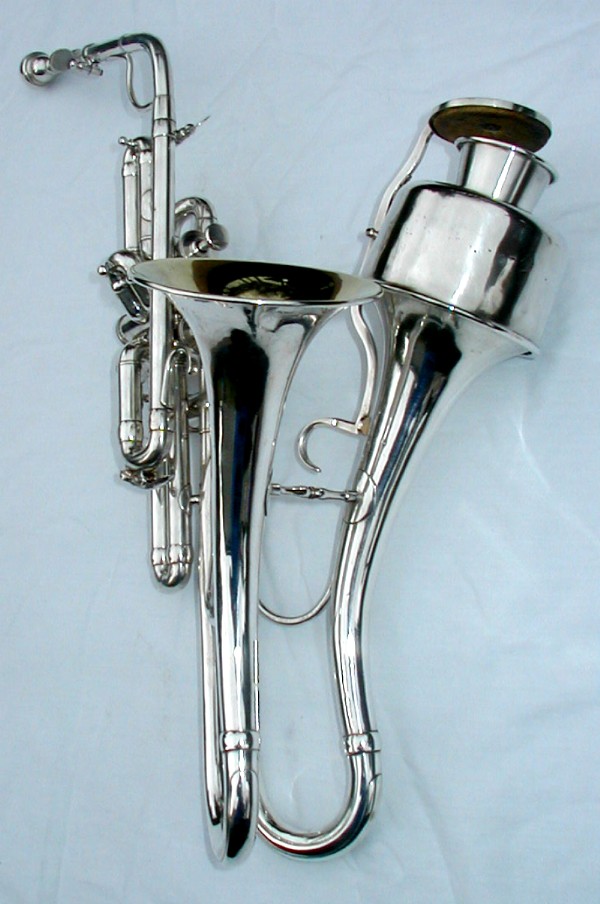
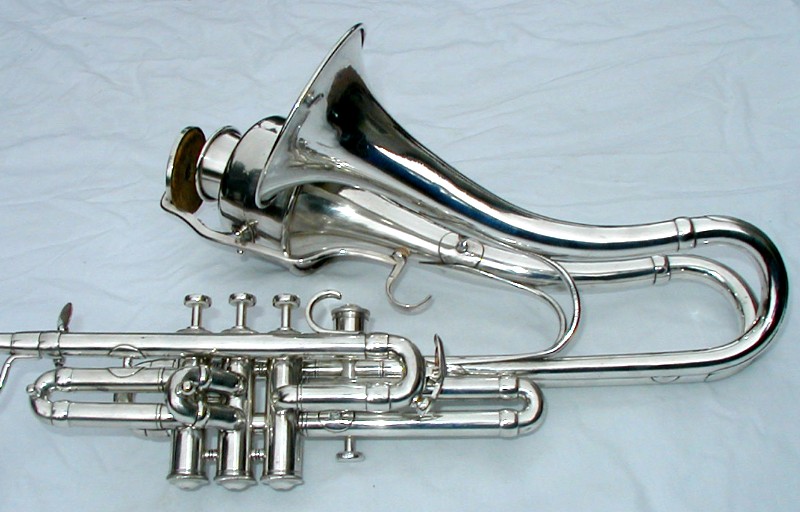
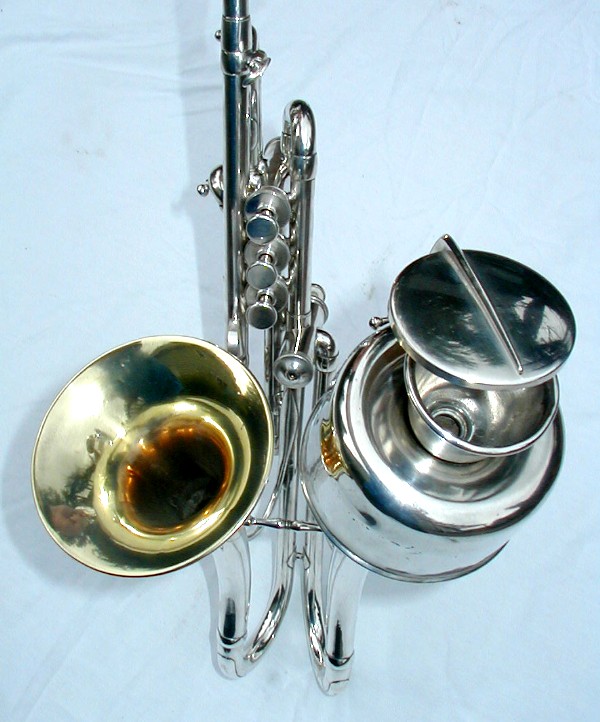
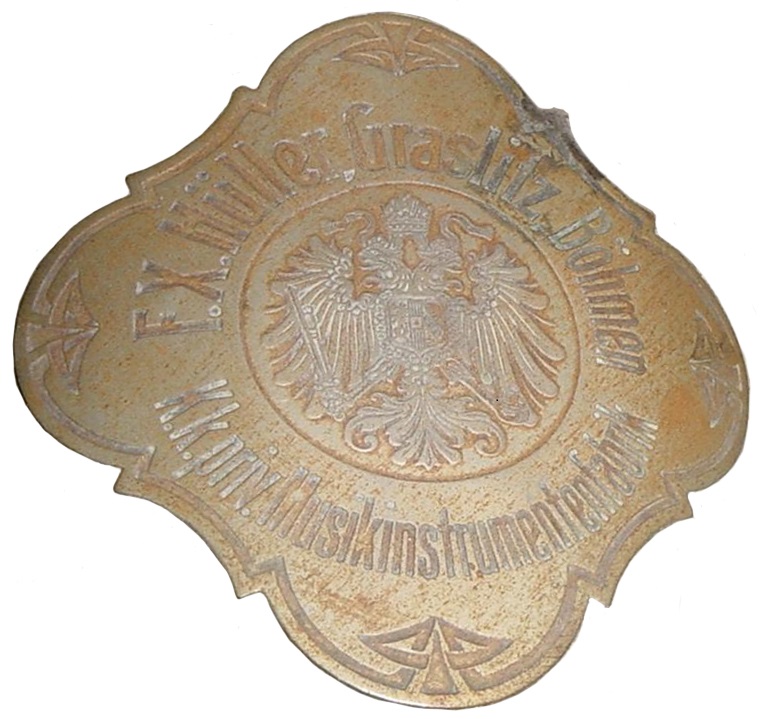
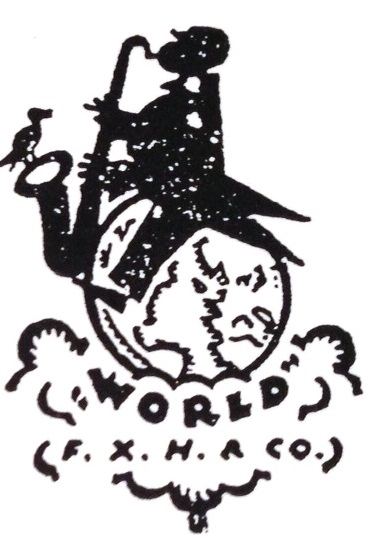
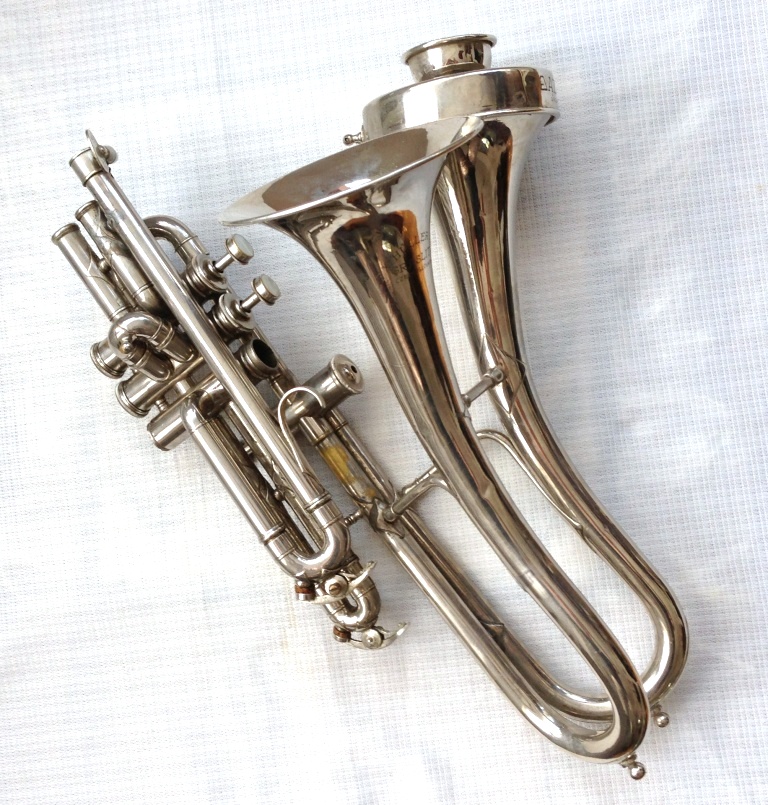
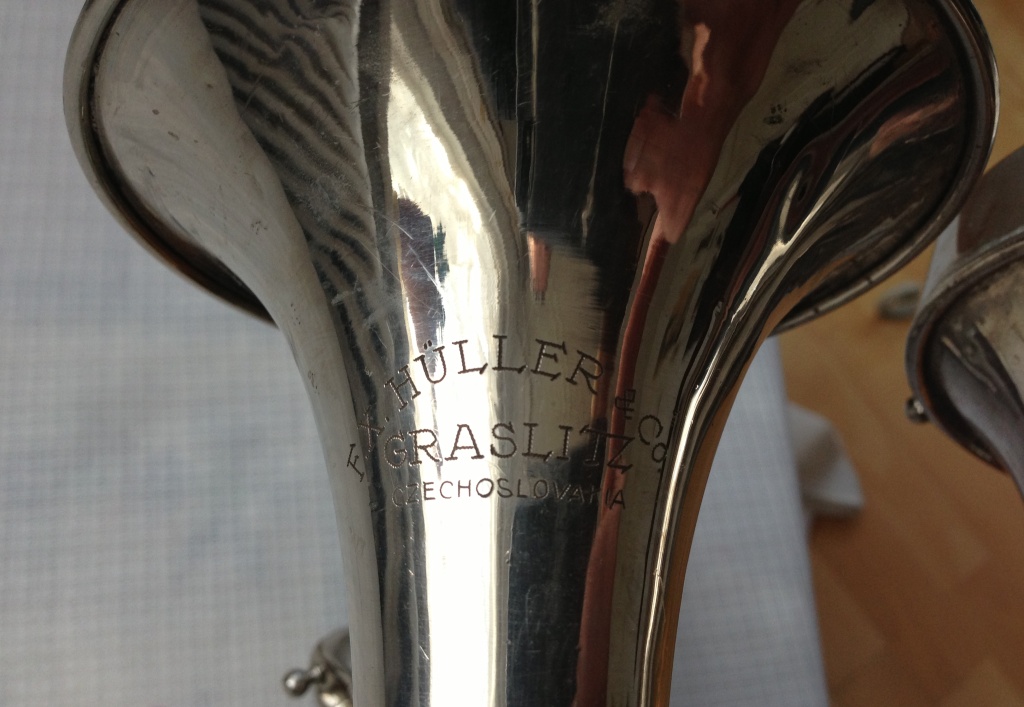
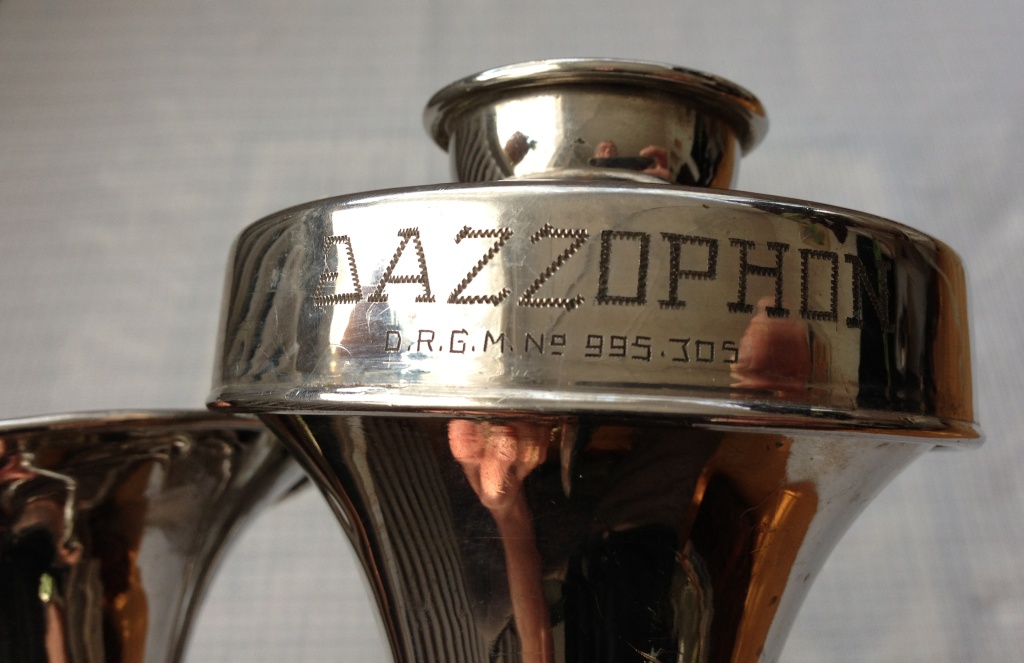
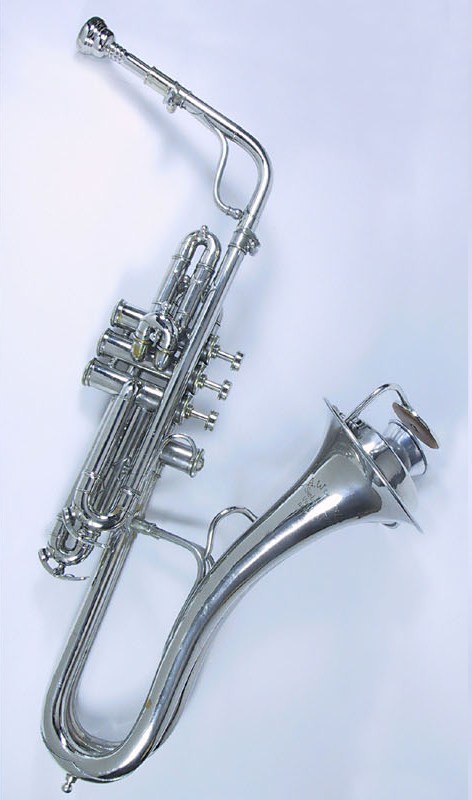
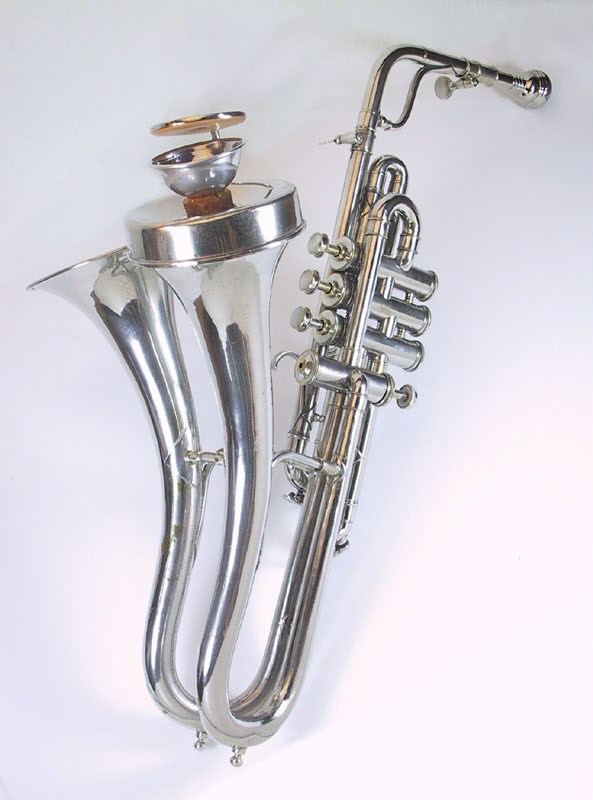
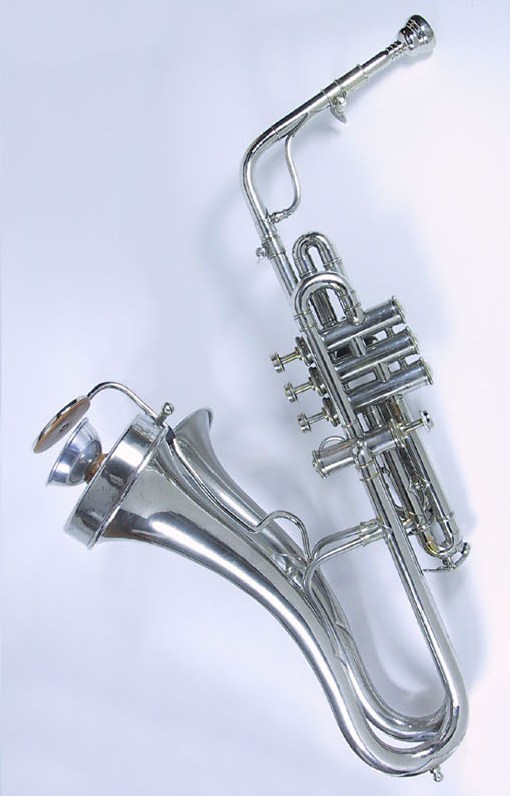
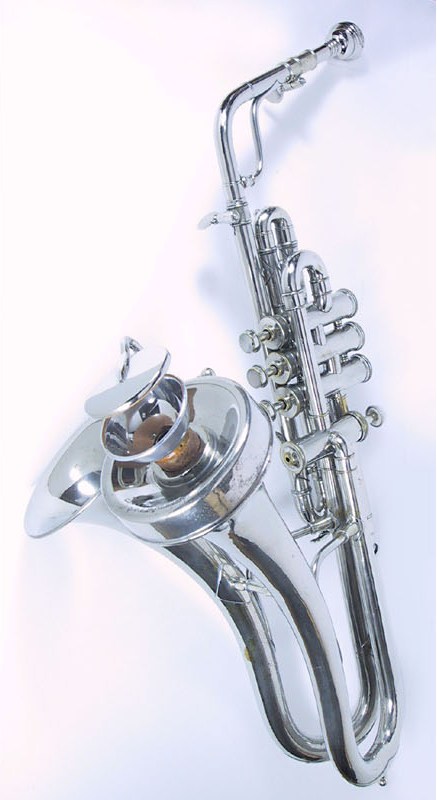
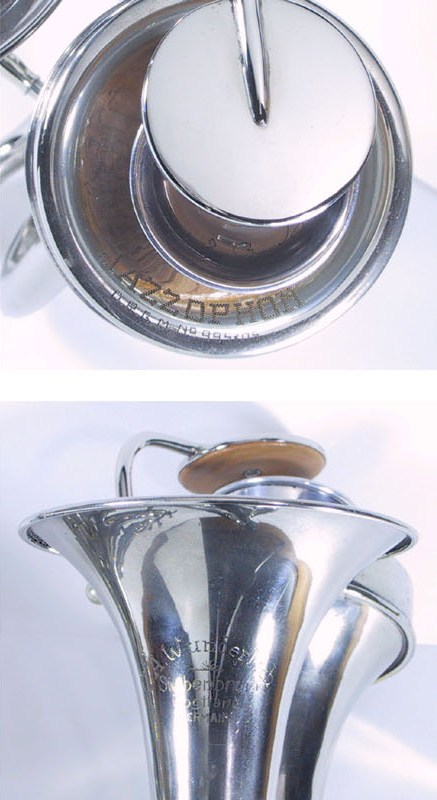
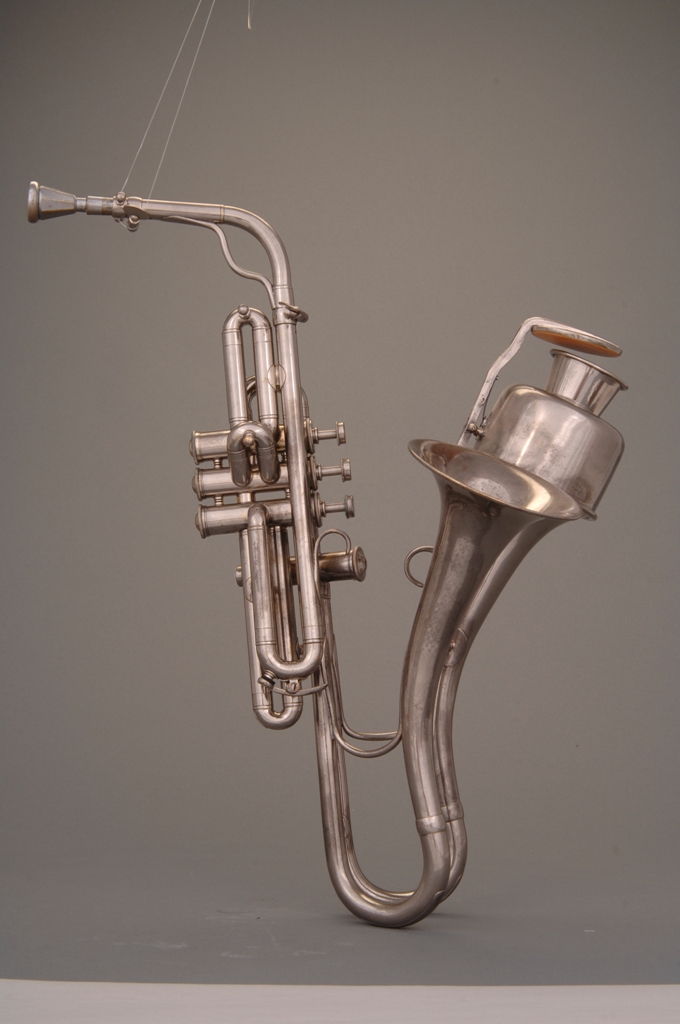
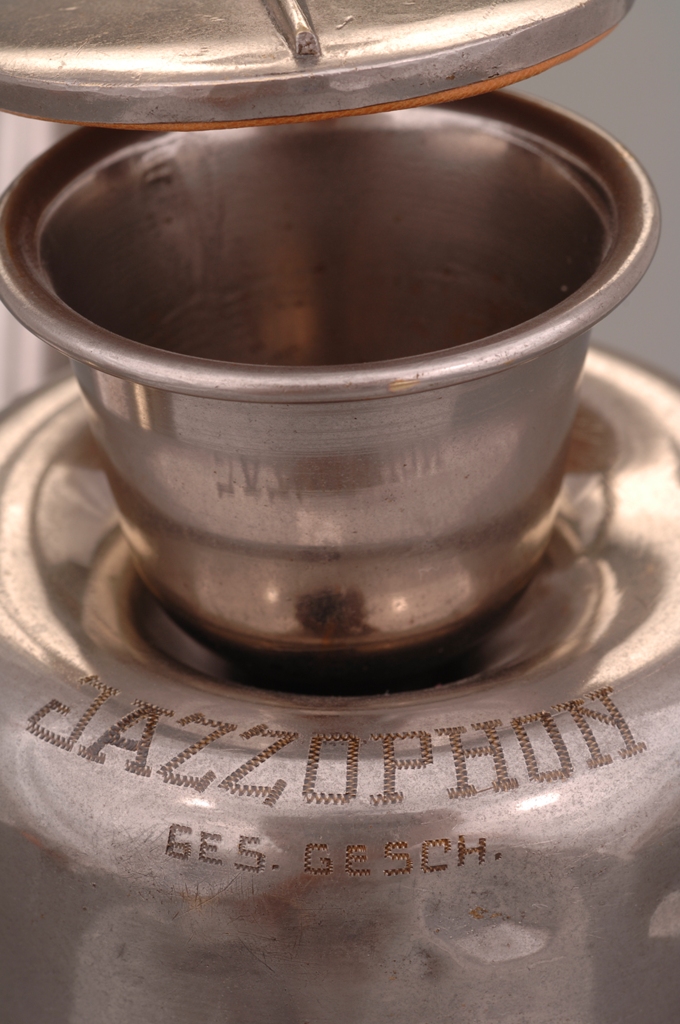
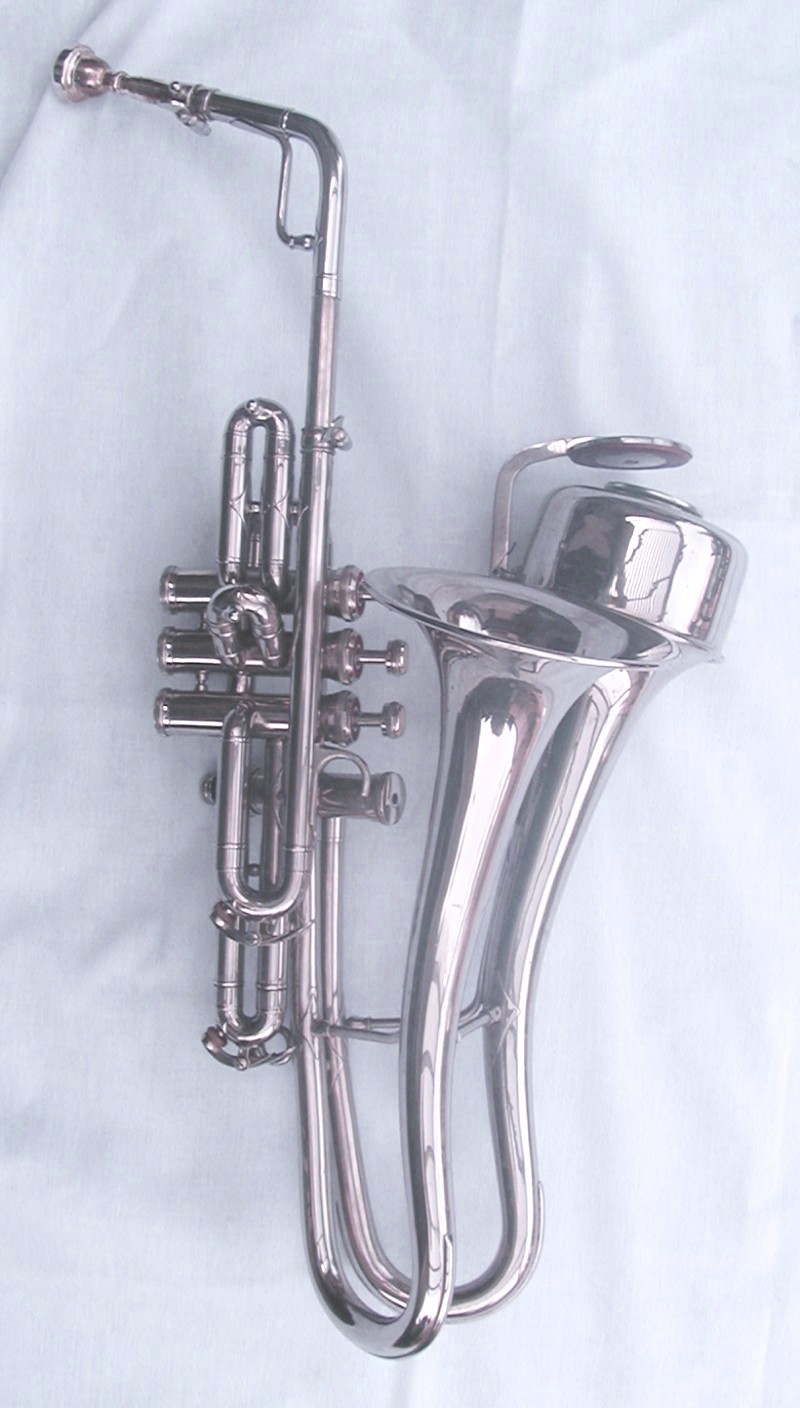
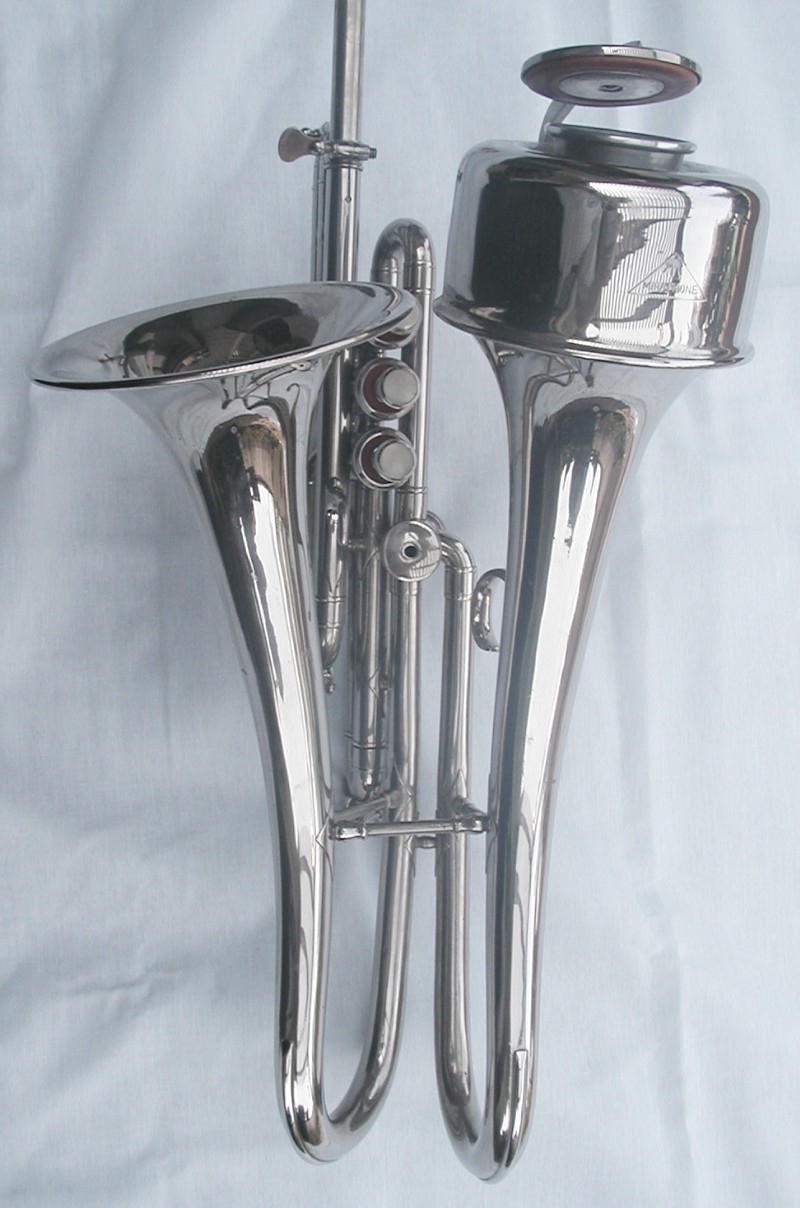

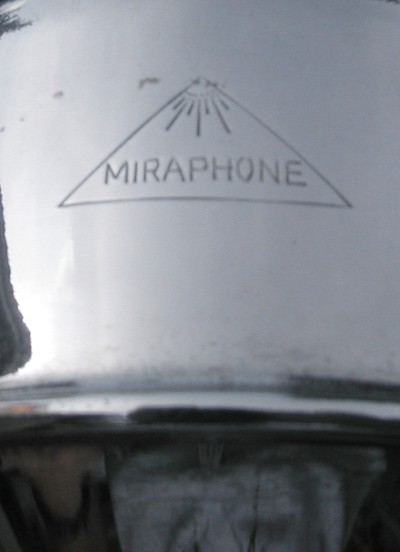

.JPG)
.JPG)
.JPG)
.JPG)
.JPG)
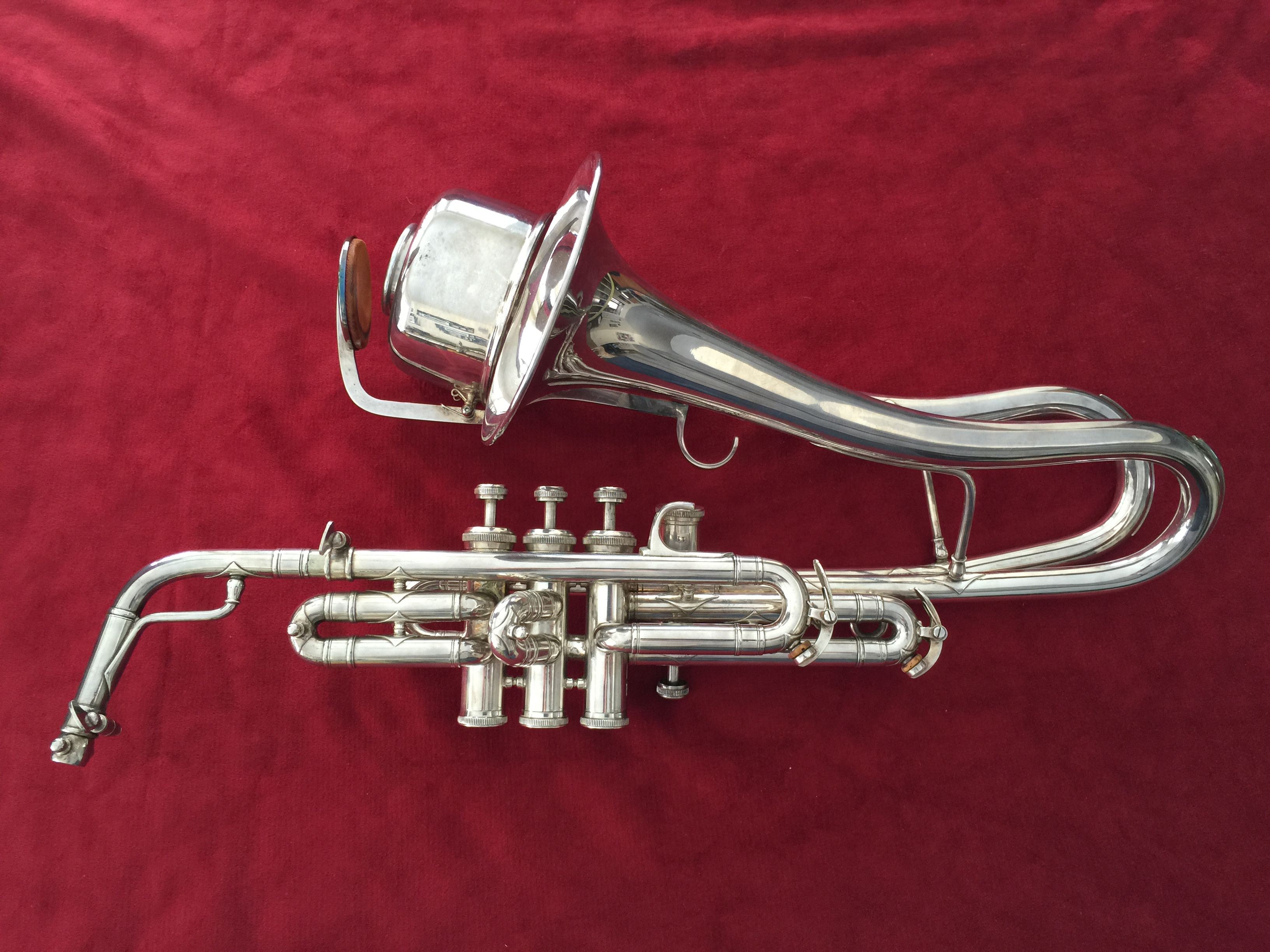
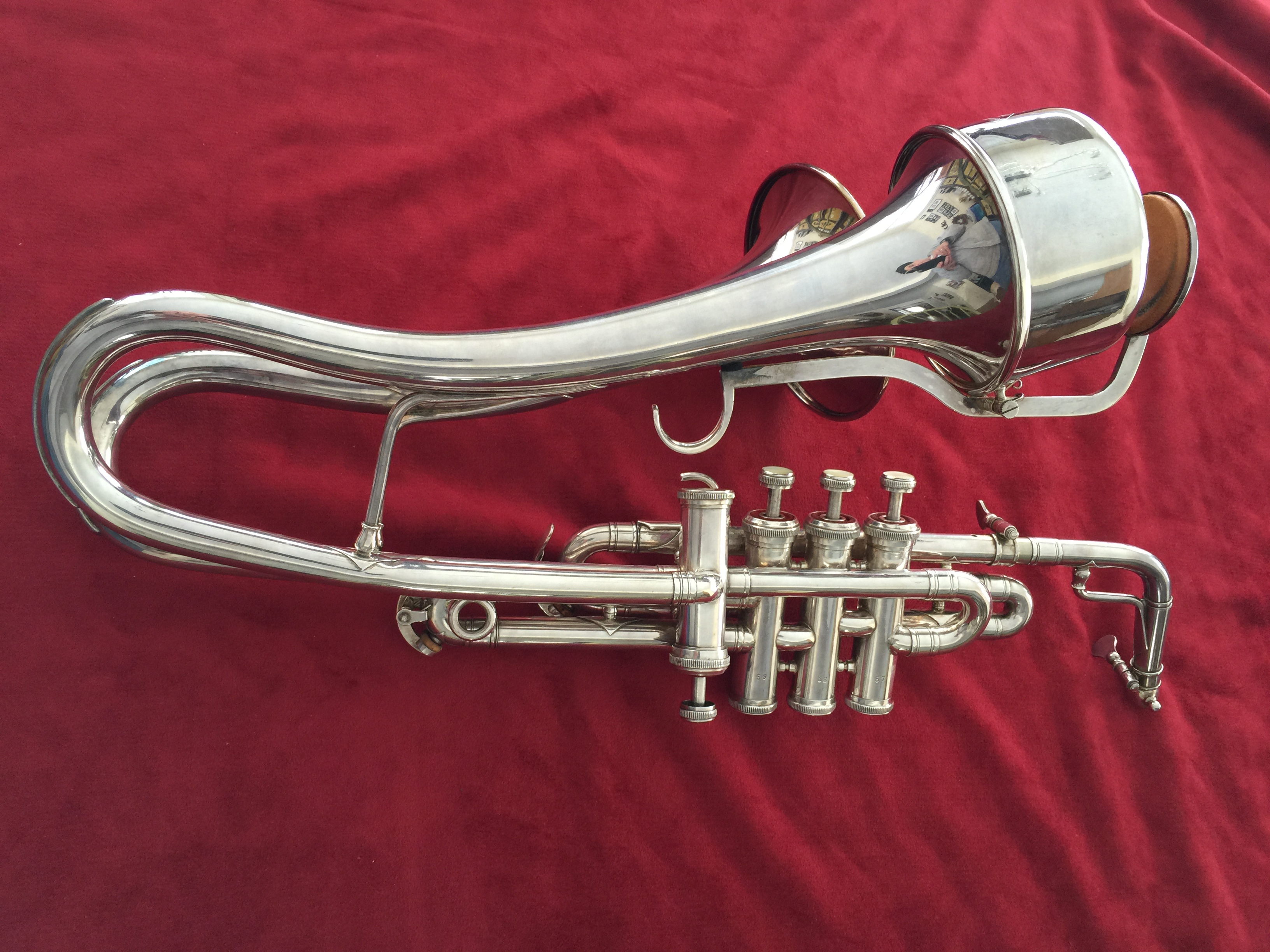
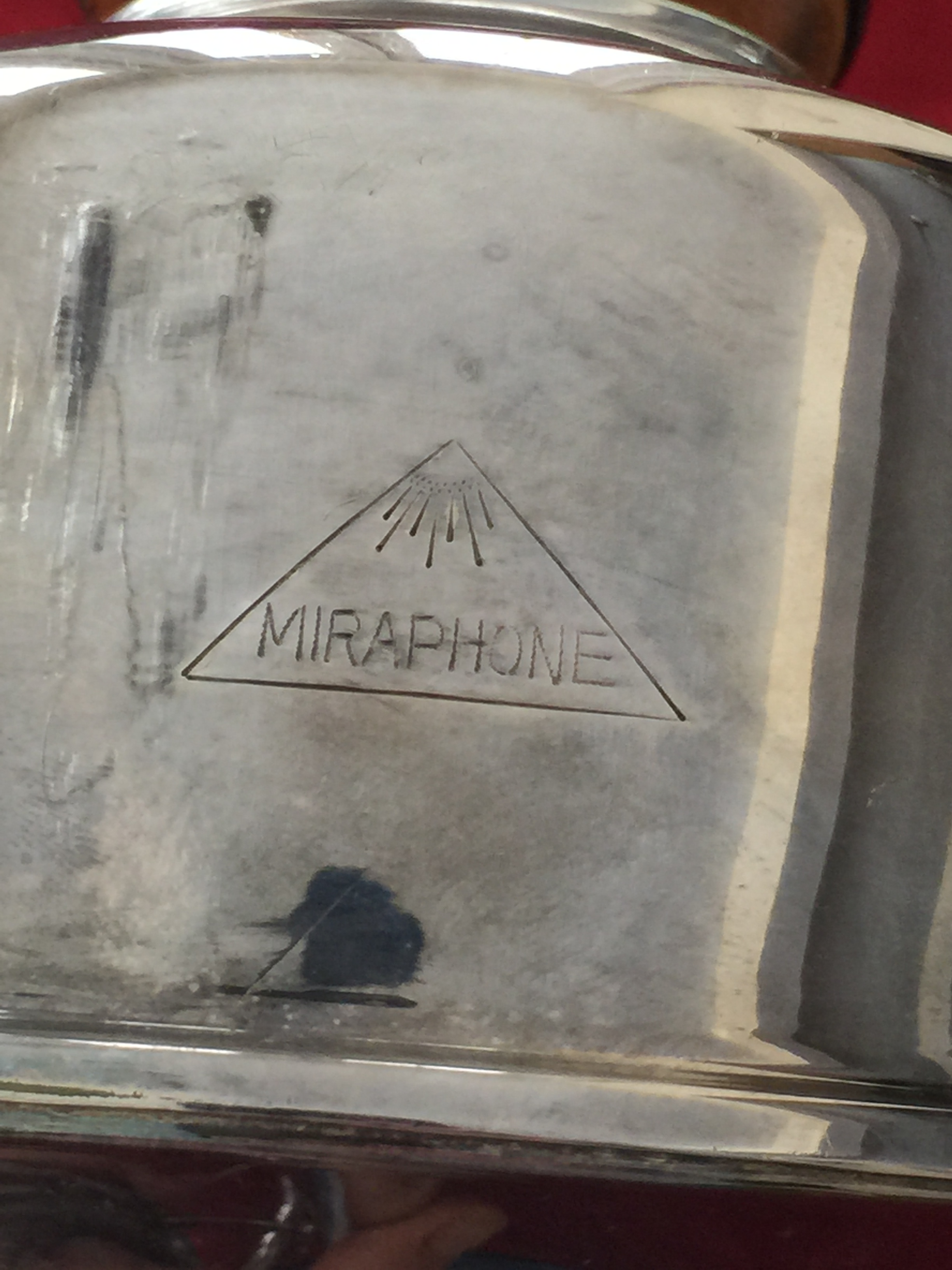
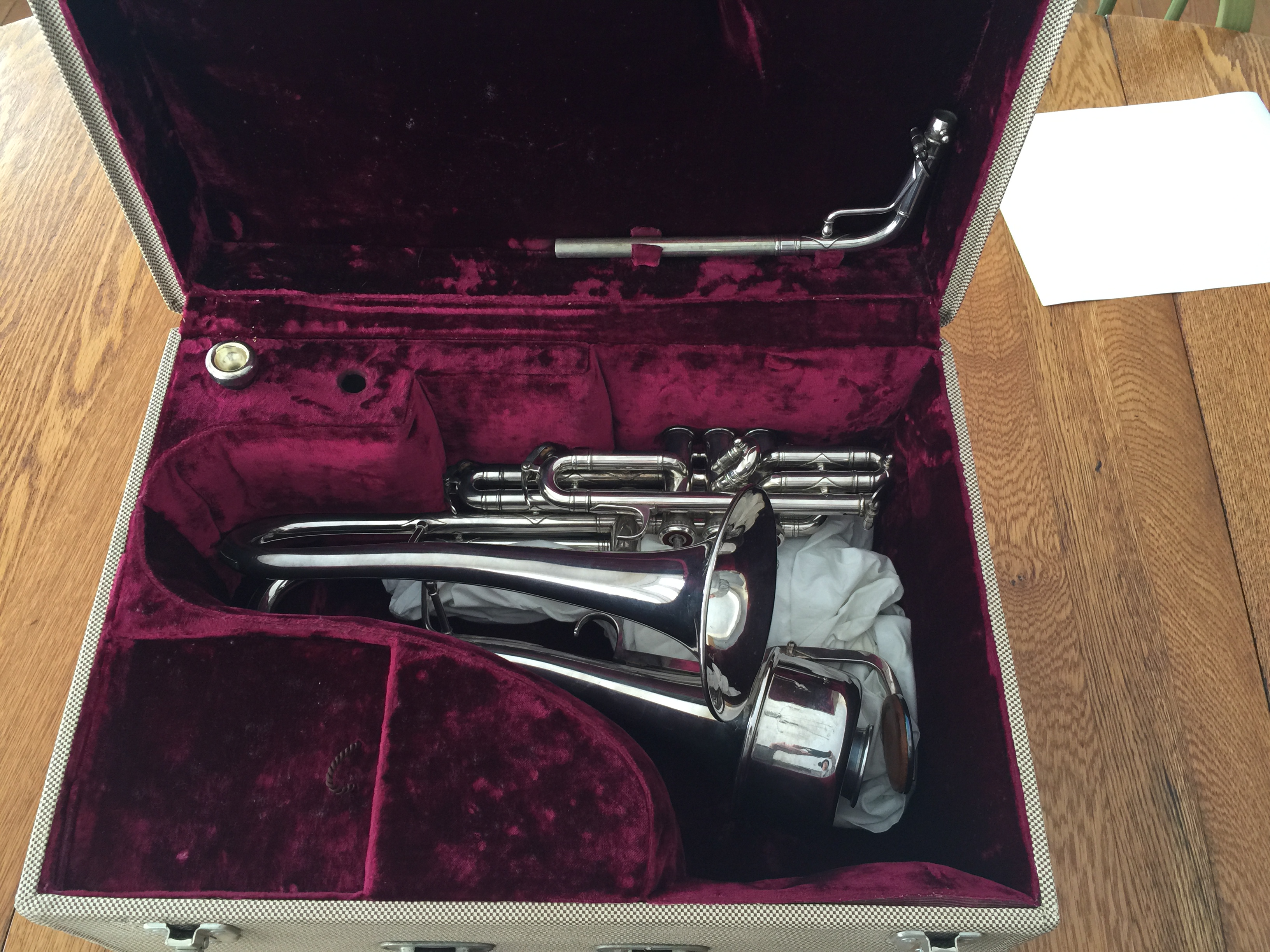
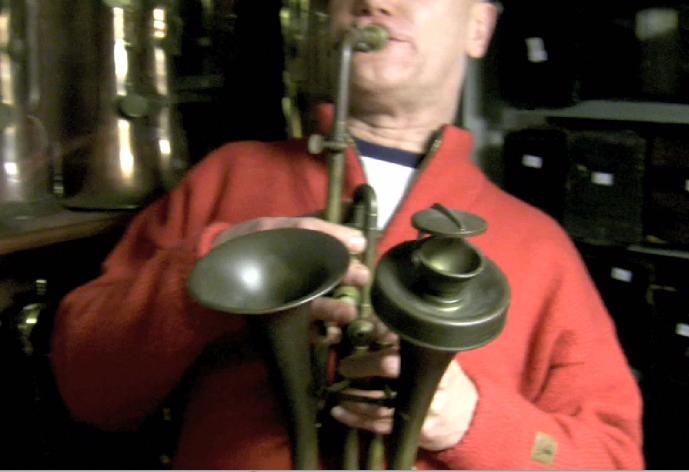
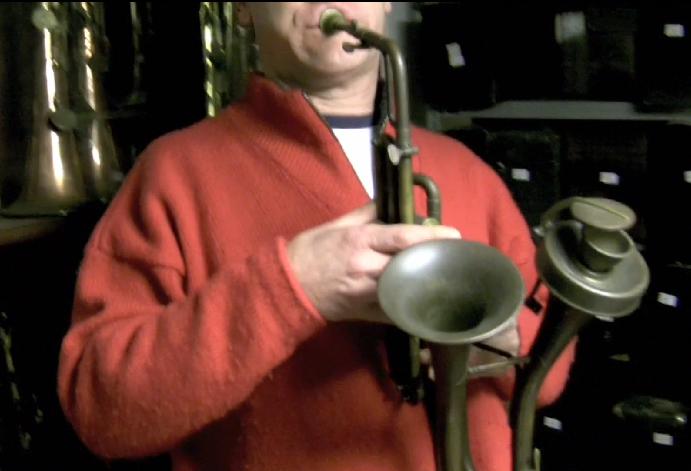
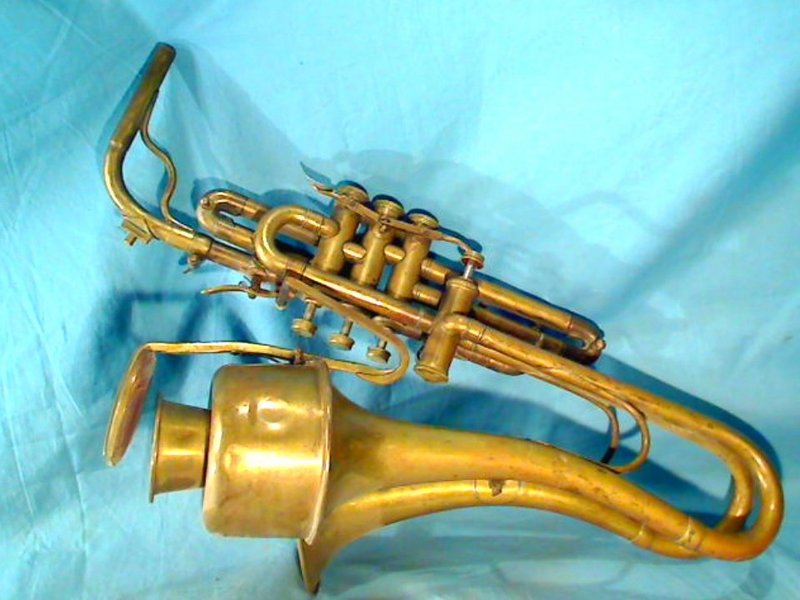

%20-%20kopie.jpg)
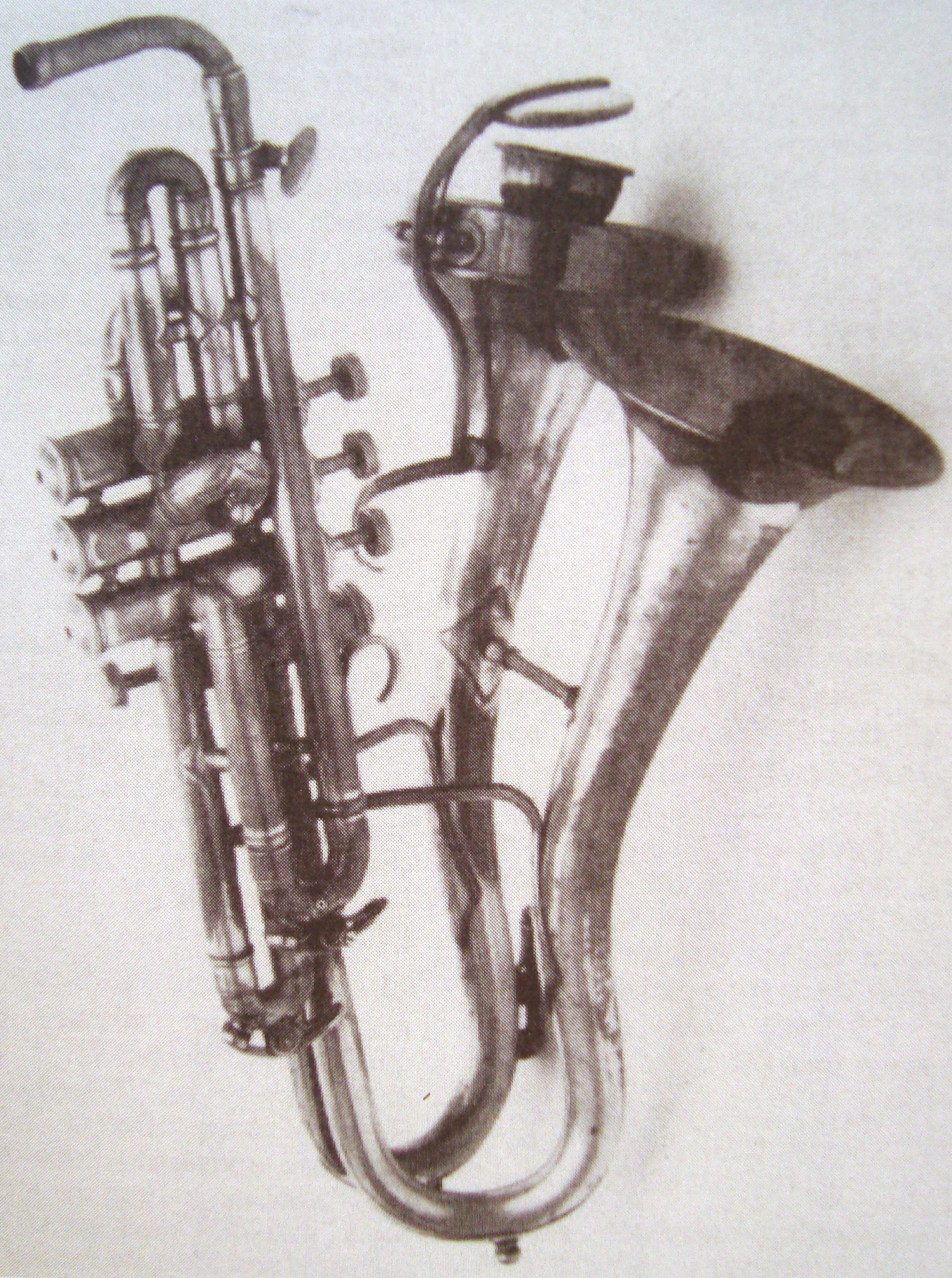
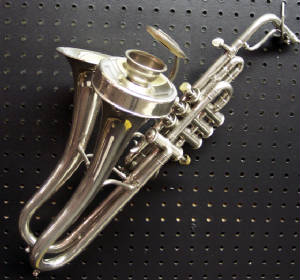
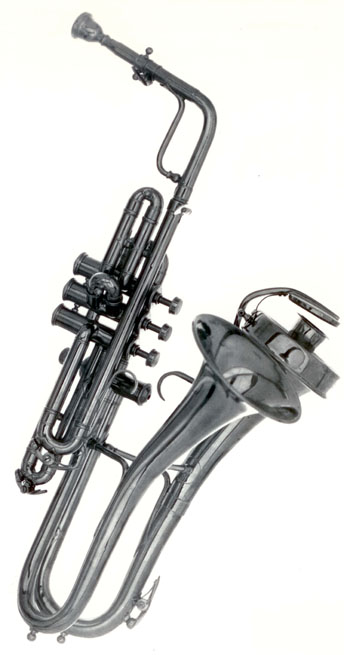
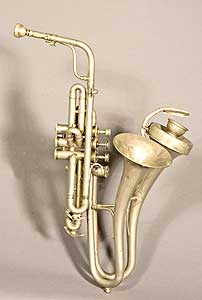
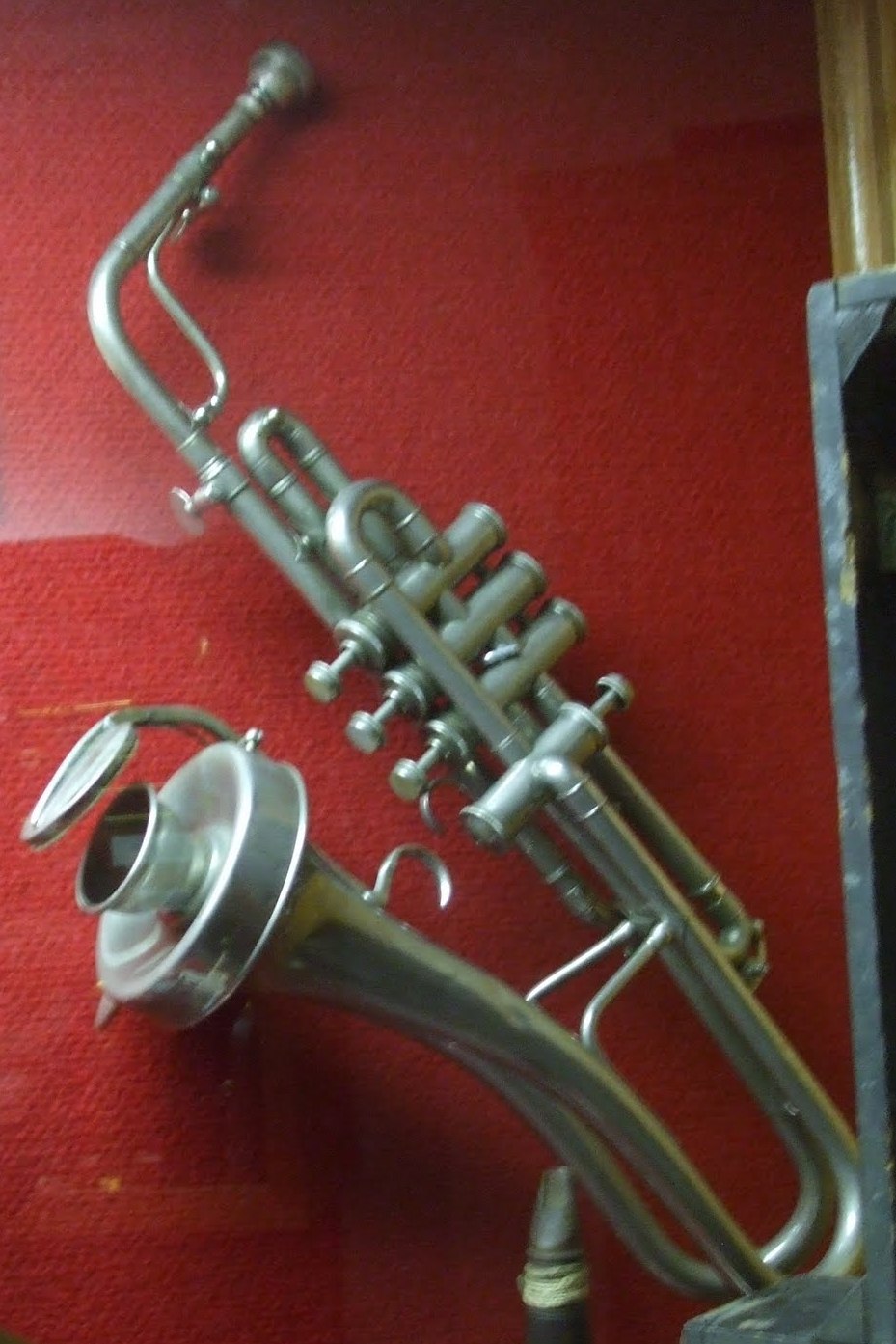
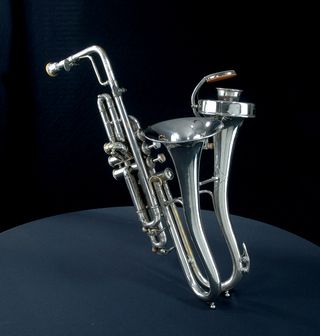
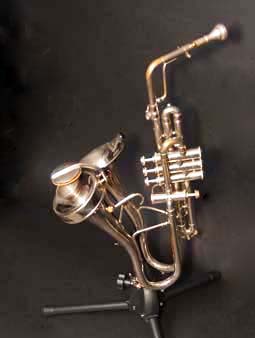
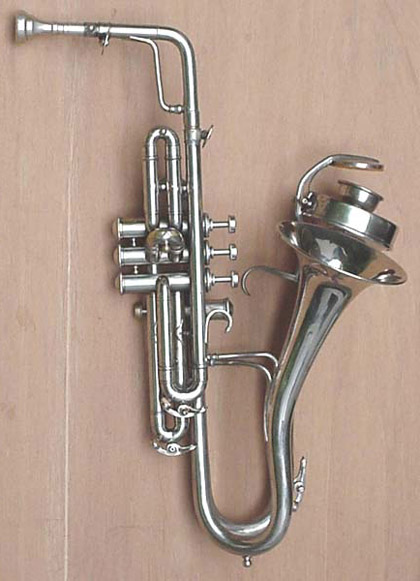
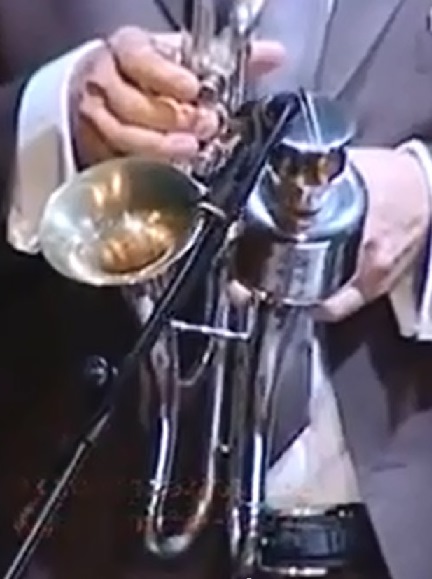
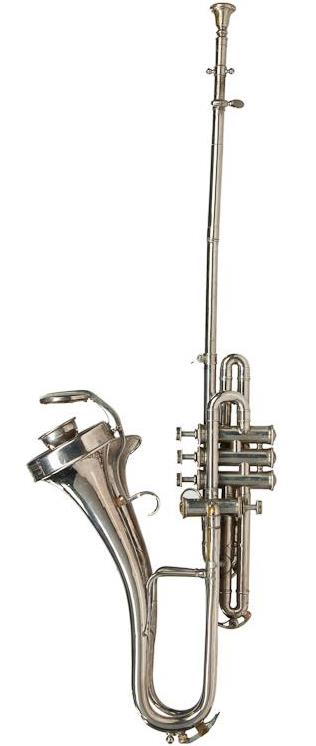
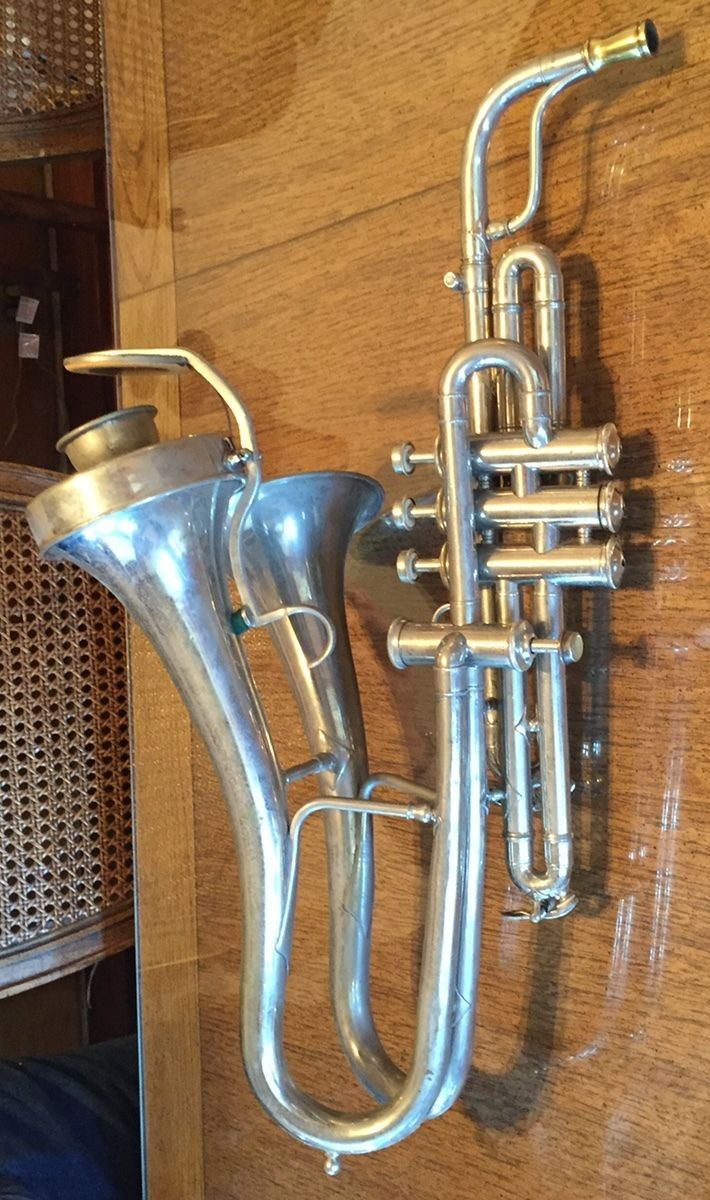
.jpg)
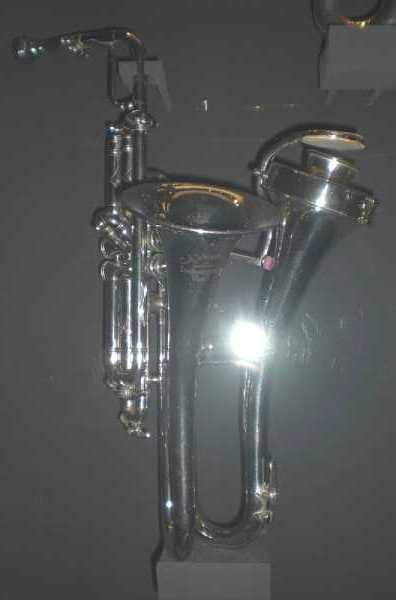
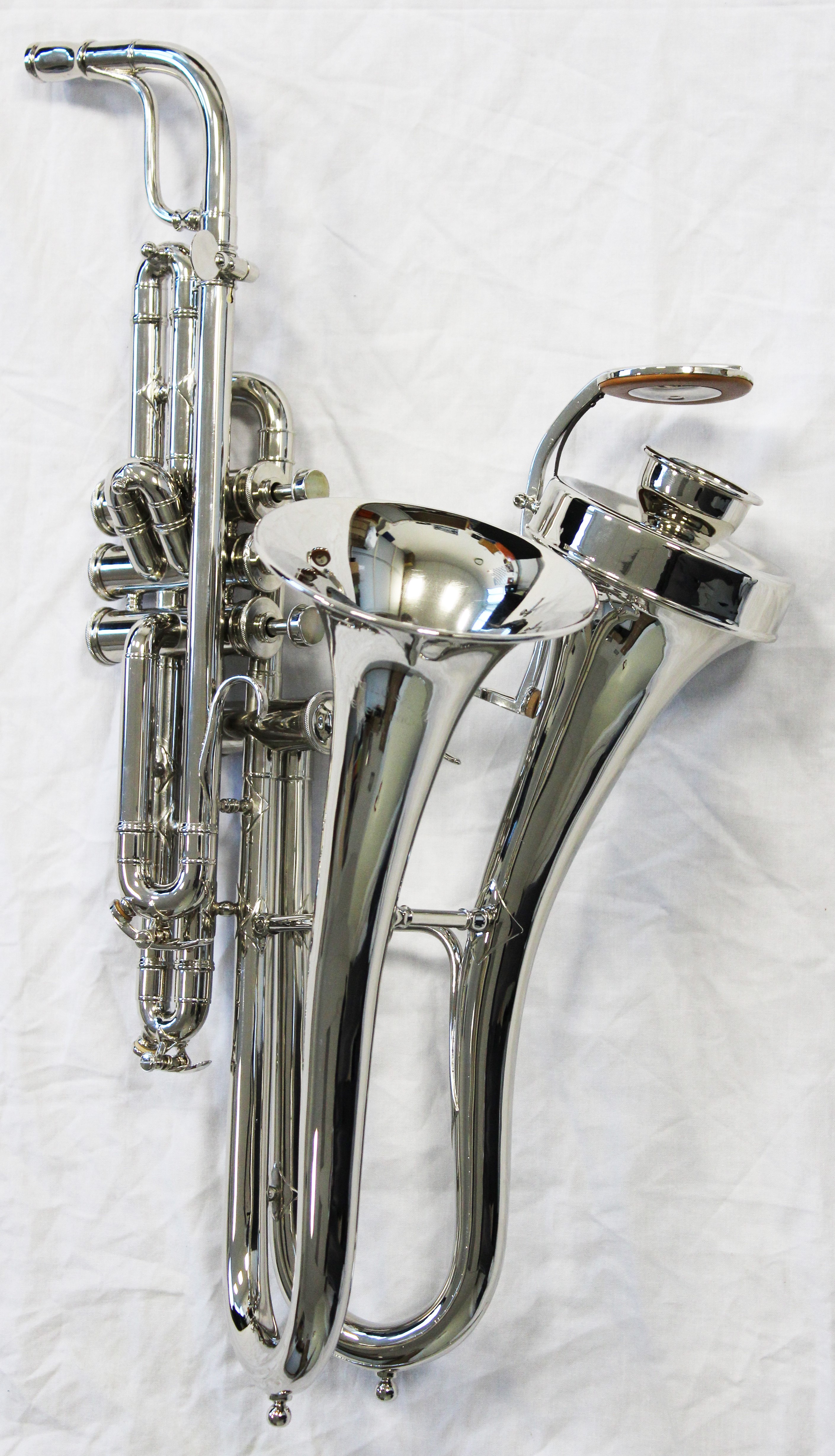
%20kl.JPG)
%20kl.JPG)
%20kl.JPG)
%20kl.JPG)
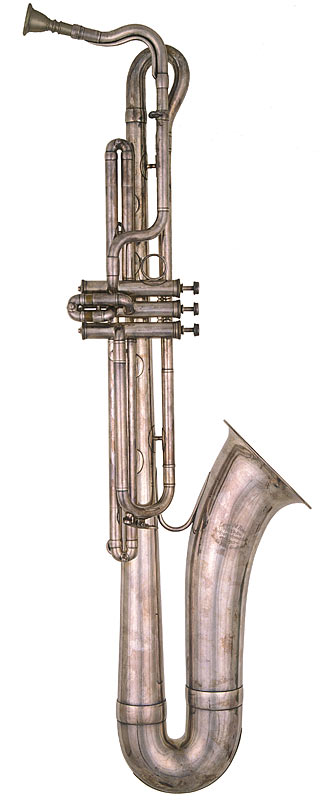
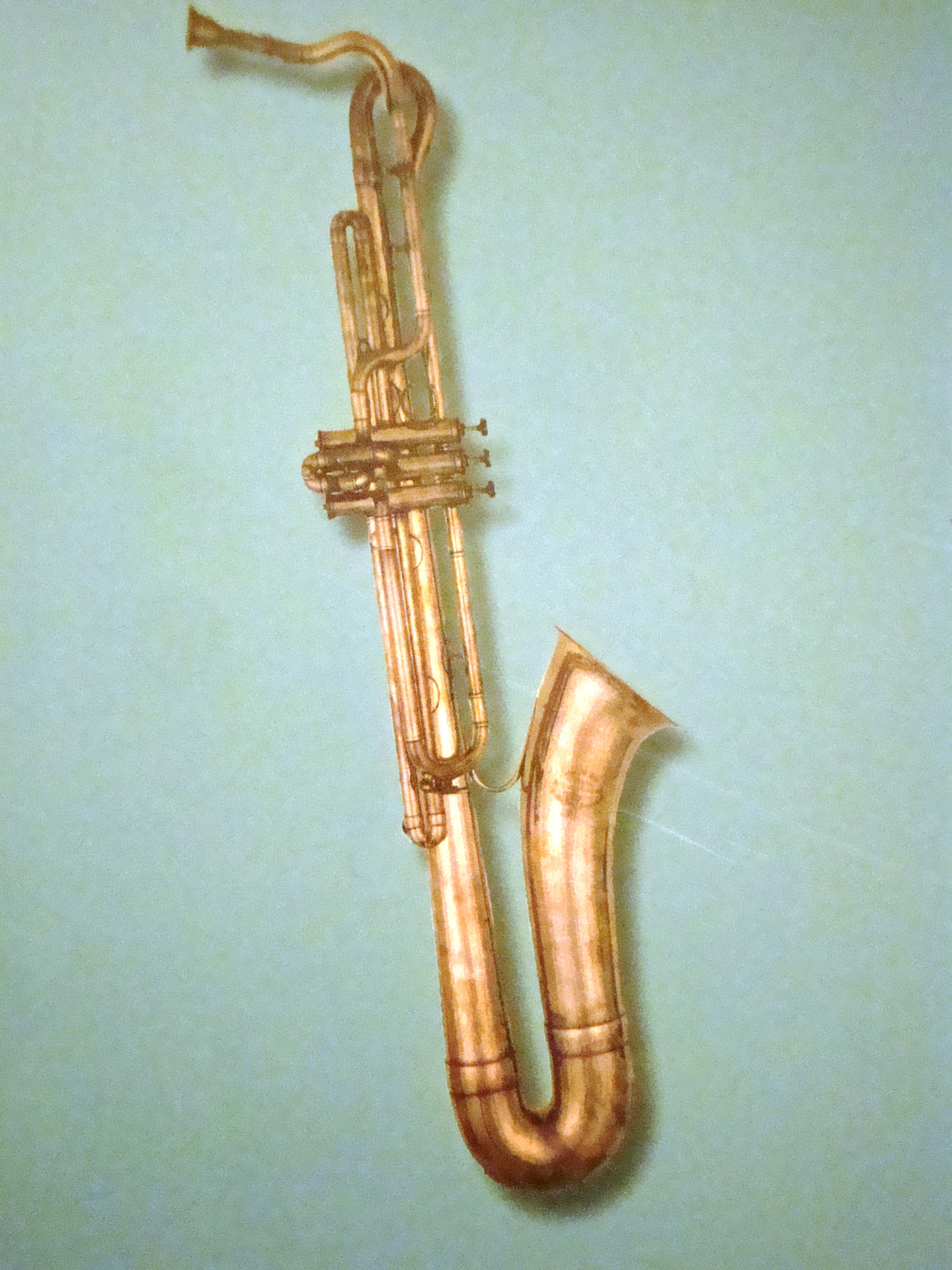
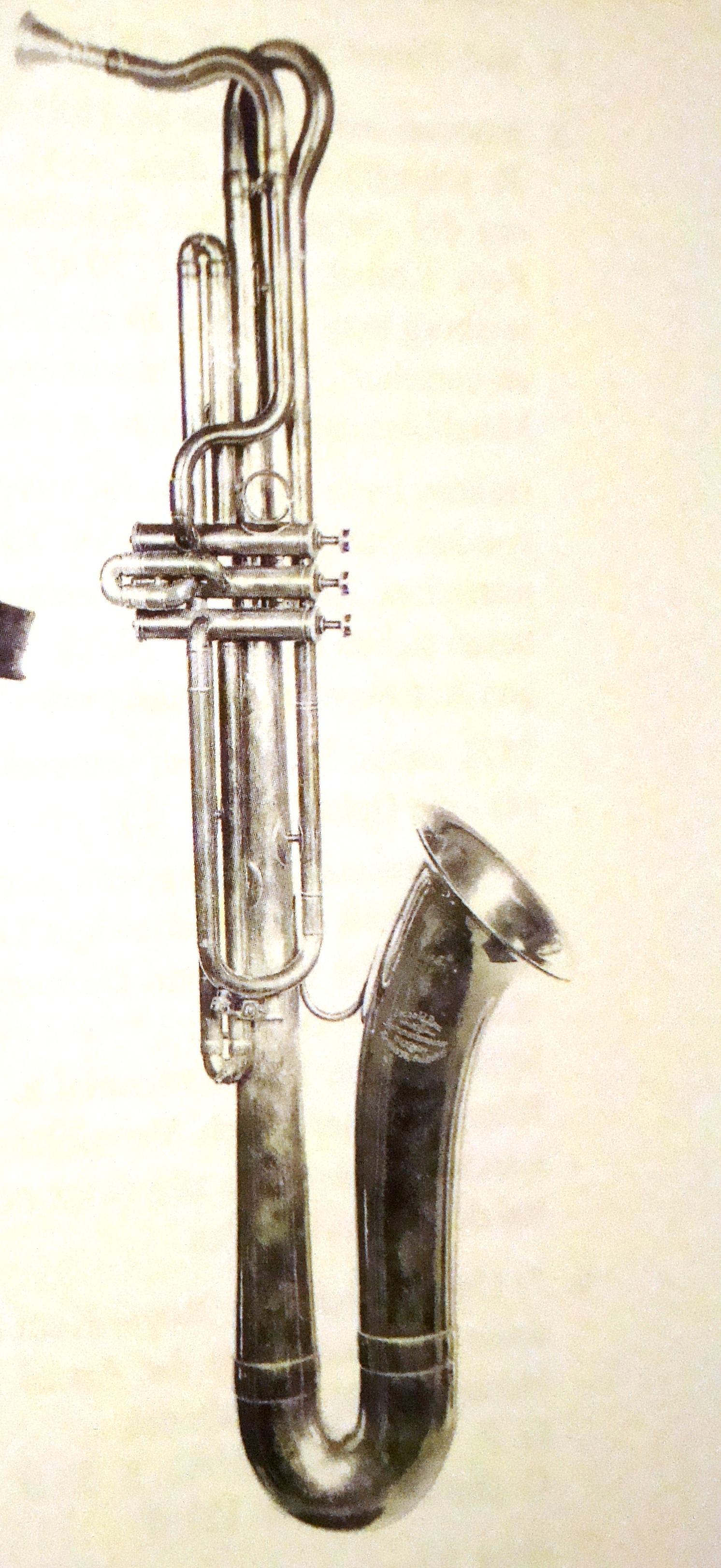
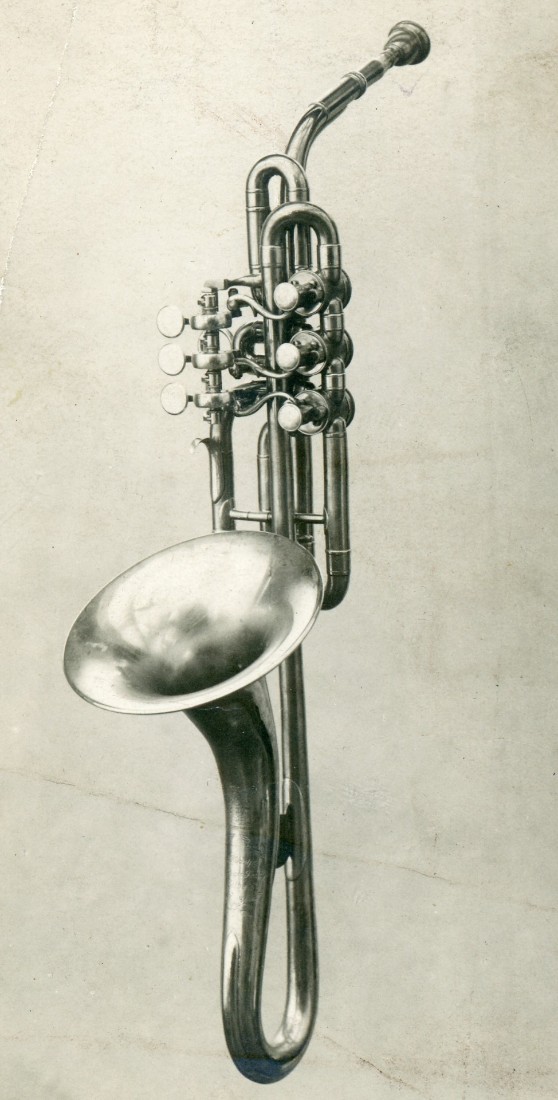
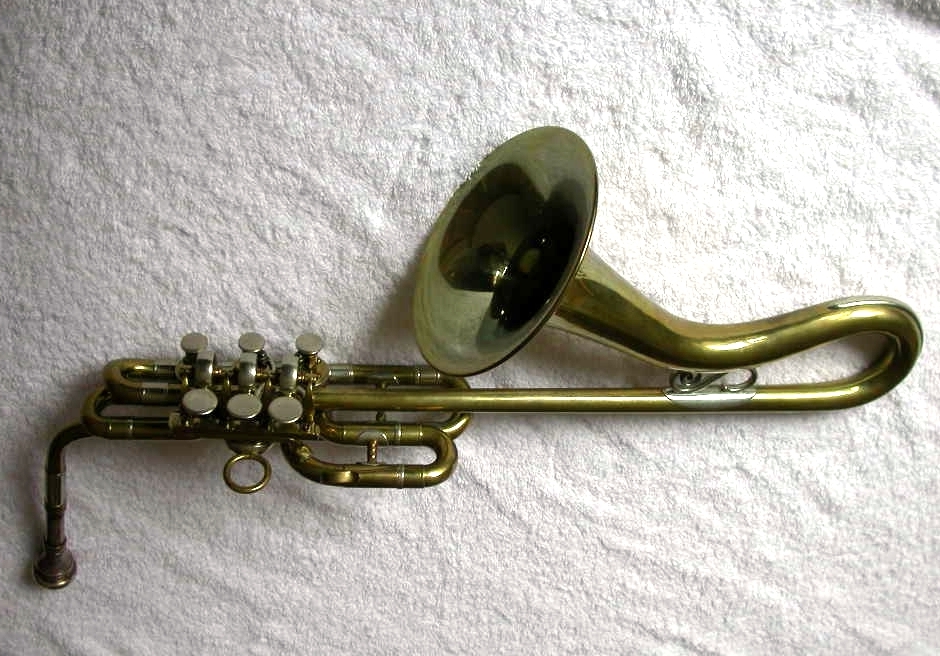
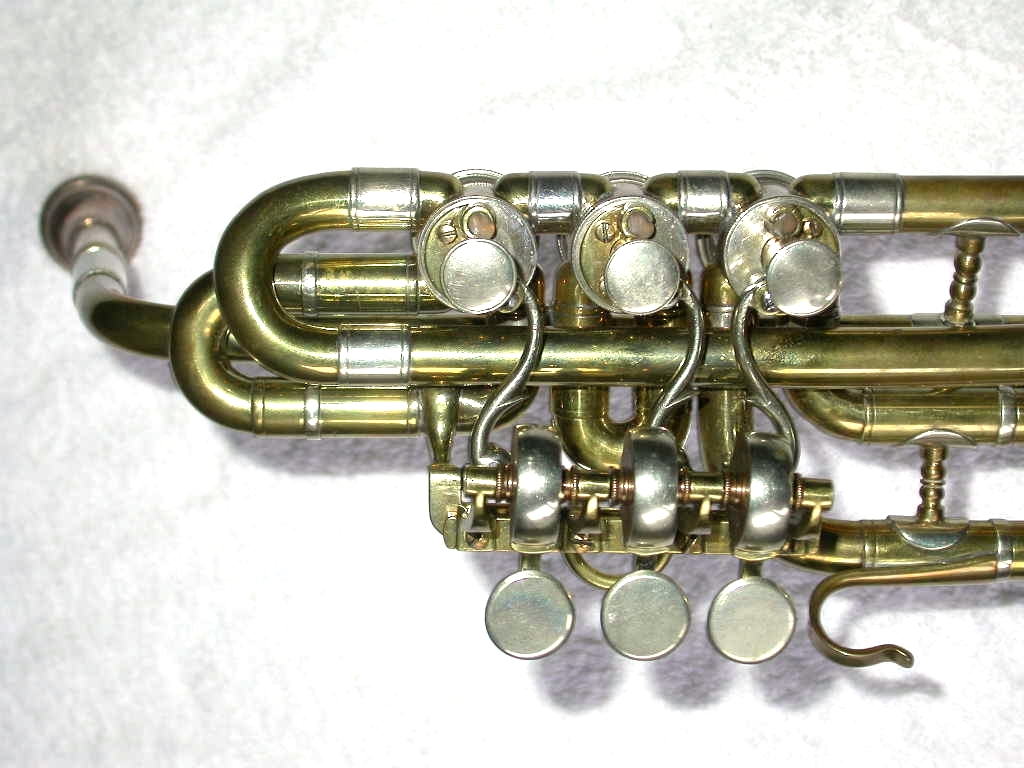
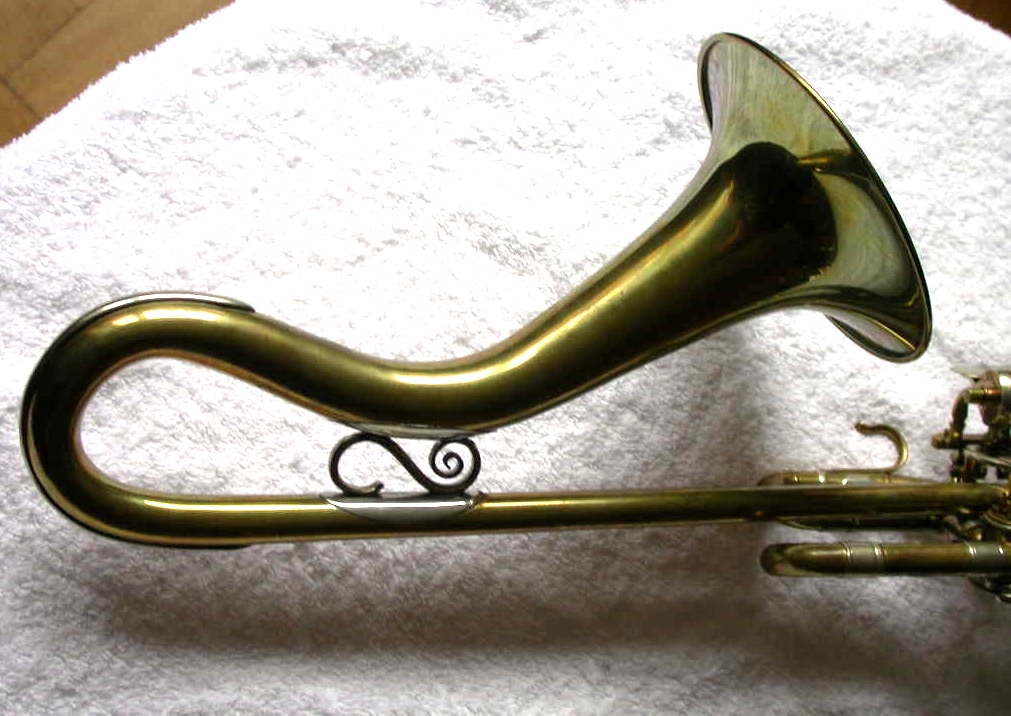
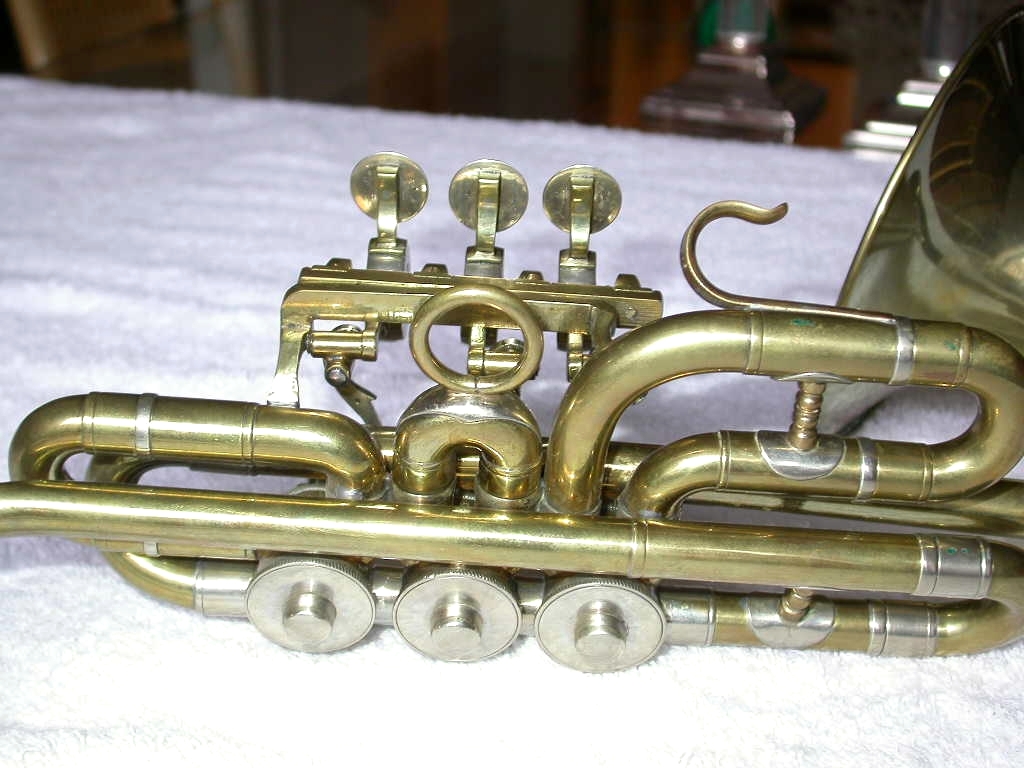
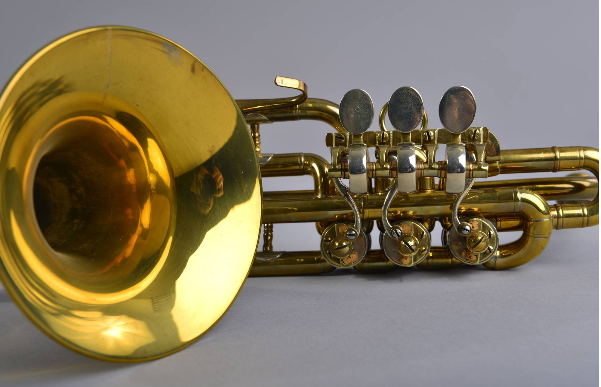
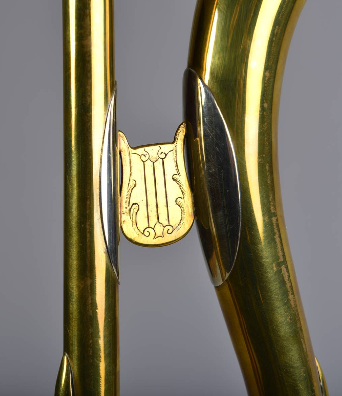
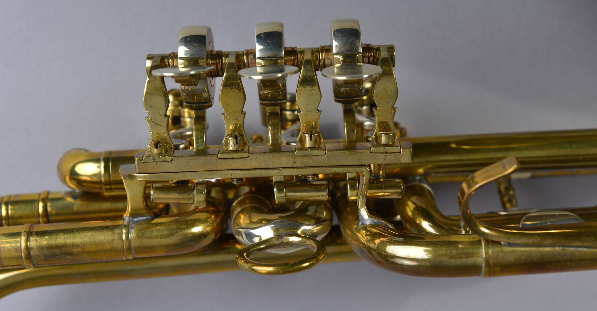
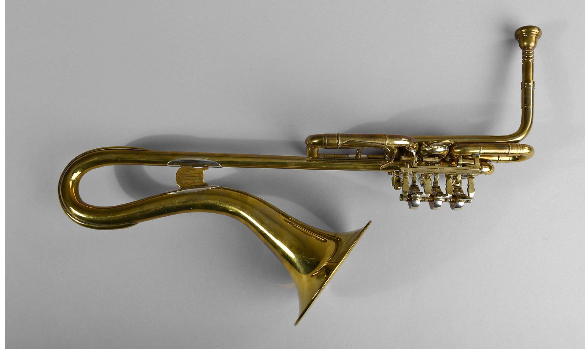
.JPG)
.JPG)